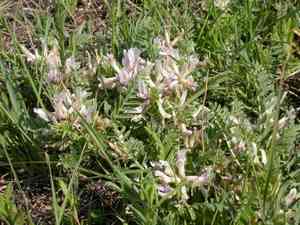
Ground plum (Astragalus crassicarpus)
Also known as: Buffalo plum, Pomme de prairie
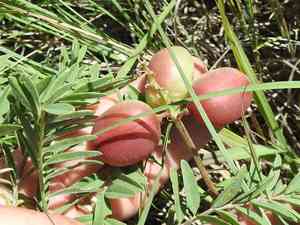
The perennial ground plum, also known as Astragalus crassicarpus, is a native North American plant. It typically reaches heights of 30 to 61 cm and features pinkish purple flowers. While the plant is mostly poisonous, it produces edible fruit pods that were historically consumed by Native Americans.
In This Article
Attributes of Ground plum
Lifespan
Perennial
Plant Type
Herb
Plant Height
10 cm to 61 cm
Spread
30 cm to 45 cm
Leaf Color
Green
Flower Size
1.5 to 2 cm
Flower Color
Purple White Pink Red
Images of Ground plum
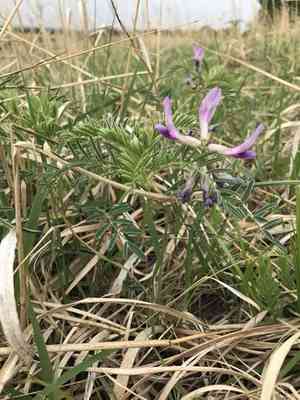
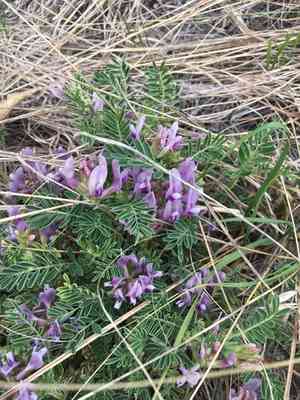
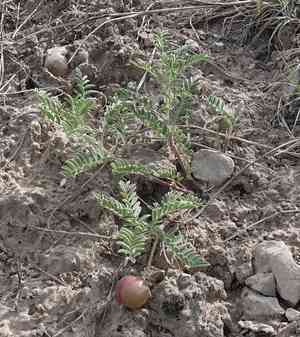
Quickly Identify Ground plum
1
Look for a low-growing, spreading plant with pinnate leaves and clusters of purple or pink flowers. The fruits are distinctive, resembling small plums, which help in identification.
Scientific Classification of Ground plum
Phylum
Vascular plants
Class
Dicotyledons
Order
Fabales
Family
Legume
Genus
Milkvetch
Species
Ground plum
Planting and Growing of Ground plum
Care Difficulty
Easy
Watering Schedule
Every 2 days
Sunlight Requirements
Full sun
Sunshine Duration
4-8 hours
Ideal Temperature
65-75℉
Soil Type
Potting Mix, Peat Mix
Soil pH
6.5-7.5
Fertilizer Type
Balanced
Pruning Season
Spring, Summer
Pruning Area
Branches, Leaves
Pruning Frequency
2 times a year
Repotting Season
Spring
Pot Type
Plastic, Ceramic
 How to Water Ground plum?
For Astragalus crassicarpus, it's best to water with approximately 400 ml of water per session. Water until the soil feels moist but not waterlogged. The principle is to mimic its natural dry, prairie-like environment, ensuring the roots receive just enough moisture without getting soaked.
What are the symptoms of an underwatered Ground plum?
›
What should I do if my Ground plum is not getting enough water?
›
What are the symptoms of an overwatered Ground plum?
›
How to save an overwatered Ground plum?
›
 What Are the Sunlight Requirements for Ground plum?
Astragalus crassicarpus thrives in full sun, which provides the intense, direct sunlight it requires for optimum growth. This light level facilitates high-energy photosynthesis, producing sturdy stems, abundant leaves, and vibrant flowers.
More About Sunlight Requirements Techniques→
Optimal Light Duration
›
Maximizing Sunlight Access
›
Effects of Ideal Lighting
›
 What Is the Ideal Temperature Range for Ground plum?
Astragalus crassicarpus thrives in temperatures ranging between 65°F and 75°F. This range is ideal for its metabolic processes, promoting healthy growth and flowering. Keeping the plant within these conditions ensures robust health and reduces the stress from temperature fluctuations.
 What Soil is Best for Ground plum?
Astragalus crassicarpus thrives in well-drained soils which prevent waterlogging. The well-drained soil ensures healthy root development by providing adequate oxygen and nutrient availability, making it crucial for the optimal growth of this plant. This plant benefits from soils that are rich in organic matter and nutrients. Such conditions support robust growth and flowering, as the nutrients help in various physiological processes for the plant's overall health. While Astragalus crassicarpus can handle dry conditions, moderate moisture levels are ideal. Proper moisture supports continuous growth and prevents stress, ensuring the plant remains vibrant throughout its growing season.
 How to Fertilize Ground plum?
Astragalus crassicarpus, commonly known as ground plum, requires a balanced application of nutrients. For liquid fertilizers, use a dilution of around 1/2 strength of a standard all-purpose plant food once every two weeks. Slow-release fertilizers should be applied sparingly, about 1 tablespoon per plant, ensuring not to overwhelm the plant's natural growing conditions.
 How to Prune Ground plum?
To prune Astragalus crassicarpus, start by sterilizing your pruning shears to prevent disease spread. Then, identify and remove any dead, damaged, or diseased stems first. Trim back any overgrown sections to maintain the plant's size and shape. This not only keeps the plant looking tidy but also encourages new growth. Maintain a balanced shape by selectively cutting back stems that overhang or extend beyond the desired form. Always cut just above a leaf node or a healthy leaf set. This promotes bushier growth and a more robust appearance.
More About Pruning Techniques→
 How to Propagate Ground plum plant?
1
Soak the seeds in warm water for 24 hours prior to sowing. This helps to break dormancy and encourage faster germination. Use a clean container for soaking.
2
After soaking, plant the seeds about 1/4 inch deep in the prepared seed trays. Water lightly to moisten the soil without washing the seeds away.
3
Place the trays in a bright location with indirect sunlight. Maintain a temperature between 65-75°F (18-24°C) for optimal germination. Keep the soil consistently moist.
 How to Repot Ground plum plant?
1
Astragalus crassicarpus typically requires repotting when its roots start to outgrow the current pot. If you notice roots emerging from drainage holes or circling the pot's perimeter, it's time to consider repotting. Ideally, repot during the active growing season, such as spring or summer, for optimal adaptation.
2
Select a pot slightly larger than the current one, with adequate drainage holes to prevent waterlogging. The material of the pot, be it clay or plastic, should aid in moisture control. Clay pots encourage better air circulation but may necessitate more frequent watering compared to plastic pots.
3
Opt for a sandy, well-draining soil mix to mimic its natural prairie habitat. This soil type ensures water drains thoroughly, preventing root rot and promoting strong root development. A cactus or succulent mix with an addition of coarse sand can be an excellent choice for this plant.
Toxicity
Ingestion
WARNING
The judgment on toxicity and danger is for reference only. We DO NOT GUARANTEE any accuracy of such judgment. Therefore, you SHALL NOT rely on such judgment. It is IMPORTANT TO SEEK PROFESSIONAL ADVICE in advance when necessary.
Learn More About Ground plum Diseases
Anthracnose
Bacterial Leaf Spot
Bacterial Wilt
Crown Gall
Cyst Nematode
Damping-off
Downy Mildew
Drought Stress
Fusarium Wilt
Gray Mold
Leaf Spot
Mosaic
Nutrient Deficiency
Nutrient Toxicity
Powdery Mildew
Root Rot
Root-knot Nematode
Rusts
Sooty Mold
Spider Mites
Temperature Stress
Thrips Damage
White Mold



