Optimal Soil for Growing Cloudberry: What You Need to Know
1
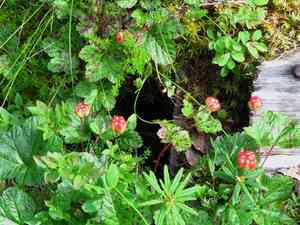
Cloudberries flourish in organic-rich peat-based soil.
2
An ideal soil pH range of 6 to 7 supports the best Cloudberry development.
3
Proper water drainage is essential to avoid root decay in Cloudberries.
Optimal Soil Type for Cloudberry Cultivation
Peat-Rich Soil Preference
For peak Cloudberry plant development, a substrate abundant in peat is highly advisable. Peat-based soil naturally contains ample organic matter, which is advantageous for Cloudberry growth. This medium effectively holds moisture while simultaneously providing root aeration. Gardeners can opt for commercial peat moss or create a custom blend with peat. Peat soil emulates Cloudberry's native environment, offering a stable root zone.
Drainage Requirements
Cloudberry necessitates a well-draining soil to thrive. While the substrate should retain some moisture, it's crucial to prevent waterlogging. Proper drainage averts root rot, a frequent problem in overly wet soil. You can improve soil drainage by incorporating sand or perlite into the mix. Ensuring adequate drainage holes in your garden bed or container will also facilitate excess water runoff.
Soil Acidity Level
Maintaining the correct soil pH is another critical factor for Cloudberry cultivation. The ideal pH range for Cloudberry plants is between 6 and 7. This slightly acidic condition allows the plants to absorb nutrients efficiently. You can assess soil pH using a home testing kit from garden centers or by submitting a sample to an agricultural extension office. If adjustments are needed, increase acidity with sulfur or decrease it with lime.
Preparing Soil for Cloudberry Planting
Soil pH Assessment
Prior to planting Cloudberry, it's essential to evaluate the soil's pH. pH testing kits are affordable and simple to use. Follow the kit's instructions for an accurate reading. If your soil is excessively alkaline or acidic, it might require amendments to reach the optimal pH of 6 to 7. Testing various garden spots provides a comprehensive understanding of your soil's state.
Adjusting Soil Acidity
After testing your soil's pH, you may need to modify it to create the perfect environment for your Cloudberry. To elevate soil acidity, you can introduce elements like sulfur or organic materials such as pine needles. Conversely, if your soil is too acidic, agricultural lime can help neutralize it. Always adhere to product guidelines for correct application rates.
Ensuring Adequate Drainage
Proper drainage is vital for Cloudberry plants. If your soil tends to retain water, consider adding materials that enhance drainage, such as sand, gravel, or perlite. Raised beds or mounds can also help excess water drain away from the roots. When planting in containers, ensure numerous drainage holes at the bottom.
Maintaining Cloudberry Soil Health
Regular pH Monitoring
Sustaining soil health for your Cloudberry plants involves consistent pH testing. Soil pH can fluctuate over time due to factors like rainfall, fertilization, and organic matter decomposition. By periodically testing your soil pH, you can promptly address any changes that might impact plant vitality. Regular checks help ensure your Cloudberry continue to flourish.
Fertilizer Application
Applying the appropriate fertilizer can boost Cloudberry growth. Choose a balanced fertilizer or one slightly richer in potassium, which aids fruit development. Organic options like compost or aged manure are also beneficial, as they supply essential nutrients and improve soil structure. Follow specific Cloudberry recommendations and avoid over-fertilizing, which can lead to nutrient imbalances.
Mulching Practices
Mulching around your Cloudberry plants offers several advantages. It helps retain soil moisture, suppresses weeds, and can contribute to better soil structure as it breaks down. Organic materials such as straw, wood chips, or pine needles make excellent mulch. Apply a 5-7 cm (2-3 inches) thick layer around the plant base, leaving some space around the stems to prevent rot.
Common Cloudberry Soil Issues
Excessive Watering Problems
Overwatering is a frequent issue that can severely impact Cloudberry plants. Too much moisture can lead to root rot and other fungal diseases. To prevent this, water your plants sufficiently but ensure the soil is well-drained. Monitor moisture levels and avoid watering if the soil is still damp from the previous session.
Nutrient Deficiencies
Nutrient deficiencies can manifest as stunted growth, yellowing foliage, and reduced fruit yield in Cloudberry. Regular soil analysis can help detect shortages early. If the soil lacks key nutrients, amend it with suitable fertilizers or organic matter. For instance, a nitrogen deficit might require a nitrogen-based fertilizer, while a lack of phosphate could be addressed with bone meal.
Soil Compaction
Soil compaction restricts root development and limits water penetration, negatively affecting Cloudberry plants. Avoid walking on garden beds and regularly aerate the soil to preserve its structure. Incorporating organic matter annually helps enhance soil texture and prevent compaction problems.



