How to Prune Cloudberry?
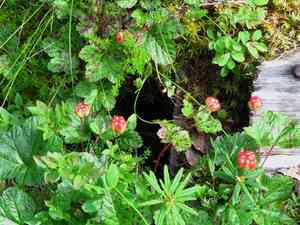
A robust, herbaceous perennial recognized for its palatable orange fruit and its affinity for marshy, frigid, and subpolar environments. For cloudberry, trimming requirements are slight. Eliminate any lifeless or compromised stalks in early spring to foster robust development. Throughout the summer, reduce the number of older canes that have already borne fruit to stimulate fresh growth and improve air movement. This focused trimming optimizes harvest and deters ailments. Specifically for cloudberry, pruning can boost fruit output, as vitality is channeled toward fruit-bearing stems.
Benefits of Pruning Cloudberry
Benefits of Pruning Cloudberry
Pruning cloudberry promotes robust development and helps maintain its desired form. Strategic cuts can stimulate new shoots, leading to healthier plants and potentially more berries. Regular pruning also keeps cloudberry compact, enhancing its visual appeal.
Optimal Pruning Time for Cloudberry
Optimal Pruning Time for Cloudberry
The recommended pruning periods of late spring to early summer for cloudberry occur when the plant has just emerged from its dormant winter phase but before it enters its peak growth stage. Pruning during this window ensures the removal of any dead or damaged stems from winter, while still allowing cloudberry to benefit from the upcoming growth period for recovery and revitalization. Late spring pruning is ideal because it avoids disrupting the plant during its initial spring growth spurt, when it's developing new shoots and accumulating energy reserves for flowering and fruiting. Early summer pruning, immediately after cloudberry has flowered, can be beneficial to shape the plant and facilitate improved air and light penetration into the bush, which is crucial for fruit development. This timing prevents unnecessary stress to the plant and maximizes the potential for fruit production in the subsequent season.
Tools Required for Pruning Cloudberry
Hand Pruners
Perfect for trimming and shaping cloudberry, providing precise cuts to remove dead or overgrown stems without harming the delicate canes.
Pruning Saw
Suitable for cutting through older, woody stems of cloudberry that are too thick for hand pruners, ensuring clean cuts for healthy plant regrowth.
Gloves
Essential for protecting hands from cloudberry's thorns during the pruning process, while also ensuring a firm grip on pruning tools.
How to Prune Cloudberry
Inspect
Examine cloudberry plants thoroughly to identify diseased and withered leaves, as well as any diseased stems that need removal.
Disinfect
Before starting to prune, sanitize your pruning tools with a solution of 1 part bleach to 9 parts water or use rubbing alcohol to prevent the spread of diseases.
Remove Leaves
Gently trim off diseased and withered leaves from cloudberry at their base, using clean, sharp pruning shears or scissors, to prevent any harm to the healthy parts of the plant.
Prune Stems
Cut away any diseased stems on cloudberry down to ground level or to a healthy section, ensuring that the cuts are made at a 45-degree angle to prevent water accumulation and promote healing.
Cleanup
After pruning, clear away all removed material from around cloudberry to prevent the spread of disease and discourage pests. Properly dispose of diseased plant material to maintain a healthy growing environment.
Common Pruning Errors with Cloudberry
Over-Pruning
Removing too much of the cloudberry's foliage, which can stress the plant and reduce fruit production.
Incorrect Technique
Using dull or unclean pruning tools, which can lead to jagged cuts and increase susceptibility to diseases.
Disregarding Plant Structure
Failure to understand the natural form and growth habit of cloudberry, resulting in improper pruning cuts that can hinder growth or fruiting.
Neglecting Dead Or Diseased Limbs
Overlooking the removal of dead, diseased, or damaged limbs that can harm the overall health of cloudberry.
Pruning At Wrong Developmental Stage
Pruning cloudberry when the plant is not prepared for it, which can interrupt its growth cycle and affect berry production.
General Pruning Advice for Cloudberry
Sharp Tools
Always use sharp, clean tools to make precise cuts that will heal quickly and reduce the chance of disease for cloudberry.
Clean Cuts
Ensure that cuts are clean and made at a 45-degree angle away from a bud to promote healthy new growth.
Thin Out
Thin out the interior of cloudberry to allow for better air circulation and light penetration, which are crucial for the health and fruiting of the plant.
Identify Key Limbs
Identify and maintain key fruiting limbs while removing any that are overbearing or poorly positioned to ensure a good yield from cloudberry.
Annual Assessment
Conduct an annual assessment of cloudberry's growth to determine which areas may benefit from pruning to produce the strongest and most fruitful plants.



