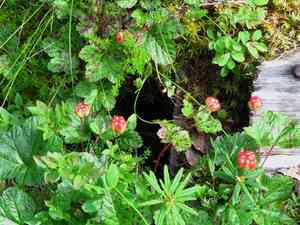
Cloudberry (Rubus chamaemorus)
Also known as: Yellow berry, Bakeapple
The cloudberry (Rubus chamaemorus) is a perennial plant that yields golden-yellow berries resembling blackberries. These low-growing, thornless shrubs thrive in cooler climates and are a key ingredient in many Scandinavian dishes, including jams and desserts.
In This Article
Attributes of Cloudberry
Lifespan
Perennial
Plant Type
Herb, Shrub
Plant Height
10 cm to 25 cm
Spread
1 m
Leaf Color
Green
Flower Size
1.5 cm to 3 cm
Flower Color
White
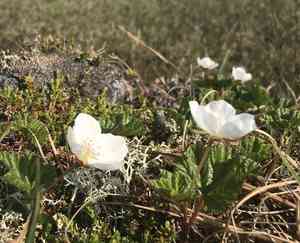
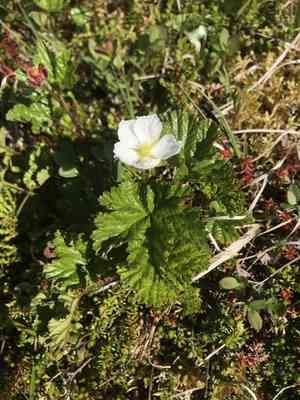
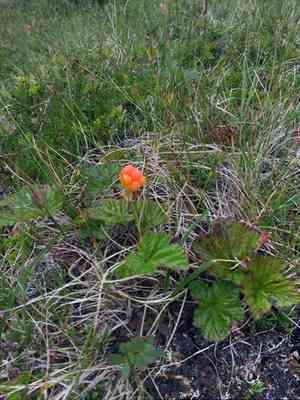
Images of Cloudberry
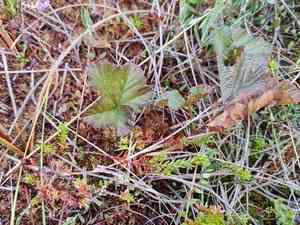
Quickly Identify Cloudberry
1
Rubus chamaemorus can be identified by its large, lobed leaves and white flowers. Its distinctive amber-colored berries, which resemble raspberries, are a key identifying feature.
Scientific Classification of Cloudberry
Phylum
Vascular plants
Class
Dicotyledons
Order
Rosales
Family
Rose
Genus
Brambles
Species
Cloudberry
Planting and Growing of Cloudberry
Care Difficulty
Hard
Watering Schedule
Every 2 days
Sunlight Requirements
Partial sun
Sunshine Duration
6-10 hours
Ideal Temperature
50-68℉
Soil Type
Potting Mix, Peat Mix
Soil pH
3.5-5
Fertilizer Type
Balanced
Pruning Season
Spring, Summer
Pruning Area
Branches, Leaves
Pruning Frequency
2 times a year
Repotting Season
Spring
Pot Type
Plastic, Ceramic
 How to Water Cloudberry?
Rubus chamaemorus, commonly known as cloudberry, thrives in moist environments like bogs, making it essential to mimic this condition in cultivation. Water deeply, ensuring at least 500 ml each session to maintain soil moisture without waterlogging. The goal is to keep the soil consistently damp, resembling its natural habitat.
What are the symptoms of an underwatered Cloudberry?
›
What should I do if my Cloudberry is not getting enough water?
›
What are the symptoms of an overwatered Cloudberry?
›
How to save an overwatered Cloudberry?
›
 What Are the Sunlight Requirements for Cloudberry?
Rubus chamaemorus thrives best in partial to full sun, benefiting from a mix of sunlight exposure. This range promotes healthy growth and enhances fruiting potential by ensuring sufficient energy for photosynthesis.
More About Sunlight Requirements Techniques→
What is the recommended lighting setup for Rubus chamaemorus?
›
How can I ensure my Rubus chamaemorus gets the ideal amount of sunlight?
›
What are the benefits if Rubus chamaemorus receives adequate lighting?
›
 What Is the Ideal Temperature Range for Cloudberry?
The ideal temperature range for Rubus chamaemorus, commonly known as cloudberry, is between 50°F and 68°F. This range is perfect because it mimics the cool temperate climate conditions the plant is naturally accustomed to in the Arctic and sub-Arctic regions.
 What Soil is Best for Cloudberry?
Rubus chamaemorus thrives in acidic soils where pH levels range from 3.5 to 5.0. These conditions help the plant absorb essential nutrients more effectively, promoting healthy growth and abundant fruit production. This plant demands soil that retains moisture well, such as peat soil, to prevent drying out. Consistent moisture levels ensure that Rubus chamaemorus remains hydrated, supporting its cellular structure and physiological processes. Rubus chamaemorus benefits greatly from nutrient-rich soil, which provides the necessary minerals to support its growth. Regular mulching can replenish nutrients, encouraging robust foliage and fruit development.
More About Soil→
 How to Fertilize Cloudberry?
For Rubus chamaemorus, moderation is key when it comes to fertilization. A balanced NPK fertilizer (10-10-10) used sparingly is ideal. Apply around 20 grams per square meter. Avoid excessive fertilization as it can cause nutrient burn. The plant prefers organic sources of nutrients, so consider using well-decomposed compost or aged manure as part of the fertilizing routine.
 How to Prune Cloudberry?
Look for branches that appear lifeless or have visible signs of disease such as discoloration or unusual spots. Cut these branches back to a healthy part or right at the base to prevent the spread of disease. To foster lush and vigorous growth, selectively prune outer branches to a bud facing outward. This directs the growth away from the center and avoids crowding, promoting airflow and light penetration. When shaping, think of maintaining a naturally rounded form. This involves selectively pruning to create a balanced structure that supports both aesthetic appeal and practical growth dynamics.
More About Pruning Techniques→
 How to Propagate Cloudberry plant?
1
Start by soaking the cloudberry seeds in warm water for 24 hours to enhance germination. After soaking, sow the seeds in seed trays filled with well-draining soil, covering them with a light layer of soil.
2
Once germinated, place the seed trays in a location that receives bright but indirect sunlight. Keep the soil consistently moist but not waterlogged, as this can lead to seedling rot.
3
Divide cloudberry plants in early spring by gently lifting them from the ground with a garden spade. Cut through the root ball to separate the plant into smaller sections, each with adequate roots.
 How to Repot Cloudberry plant?
1
Rubus chamaemorus should be repotted when you notice roots coming out of the pot's drainage holes, or when the plant's growth slows considerably. Check the pot every spring to see if the roots are overcrowded; it's a clear indication that the plant needs more space to thrive.
2
Select a pot that is only slightly larger than the current one, with adequate drainage holes. This helps prevent waterlogging, which can lead to root rot in Rubus chamaemorus. A medium-sized pot increases stability and allows room for growth without overwhelming the plant with excessive soil, which might retain moisture.
3
Choose a soil mix that is acidic with excellent drainage, ideally containing peat. This type of soil mimics the plant's natural environment, aiding nutrient uptake, preventing root rot, and ensuring consistent moisture levels. It's essential for maintaining the plant's health and facilitating healthy fruit production.



