Enhancing Your Garden Design with the Cloudberry Plant: A Landscaping Guide
1
Cloudberry offers a distinct aesthetic charm to any garden, integrating seamlessly with diverse landscape designs.
2
Selecting the optimal time of year for Cloudberry planting can enhance its beauty and practical advantages.
3
Appropriate care is crucial for maintaining Cloudberry's health and vigor year-round.
Introduction: The Visual Appeal of Cloudberry
Explore the unique beauty of Cloudberry in your outdoor space.
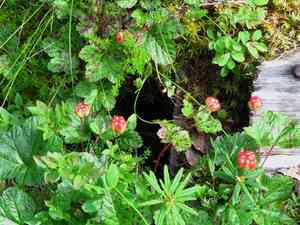
The distinct allure of Cloudberry stems from its singular look, featuring attractive leaves and lovely berries that can enhance any garden setting. The plants' subtle, muted tones create a soft and balanced appearance, perfect for adding a touch of sophistication to your landscape. The berries provide a burst of color, making Cloudberry a versatile and appealing option for both decorative and functional garden designs.
How Cloudberry complements various garden aesthetics.
Cloudberry effortlessly integrates into diverse landscaping styles, from rustic and natural to modern and minimalist. The plant's adaptability allows it to function as either a central feature or a supporting element within a garden. Its natural appearance makes it ideal for crafting tranquil, nature-inspired areas, while its understated elegance adds a refined touch to contemporary landscape designs.
Incorporating Cloudberry into Different Landscape Themes
Creating natural and rustic themes with Cloudberry.
Adding Cloudberry to a garden with a natural or rustic theme can bring a wilderness feel to your landscape. Imagine lush, untamed greens and wild beauty that evokes a sense of being in nature. Cloudberry thrives in cooler climates, making it perfect for regions where recreating a forest-like atmosphere is desired. It blends effortlessly with other native plants and shrubs, helping you achieve that charming, back-to-nature look.
Modern landscape designs featuring Cloudberry.
In modern landscape designs, Cloudberry offers a refreshing alternative to common choices like ornamental grasses or sculpted hedges. Its structured yet natural form and soft colors provide a gentle contrast to sleek architectural elements or hardscapes like stone paths and metal garden furniture. Incorporating Cloudberry in geometric planters or alongside minimalist sculptures can add a subtle yet impactful touch to contemporary landscapes.
Seasonal Considerations for Planting Cloudberry
Optimal times of the year to plant Cloudberry for peak beauty.
Planting Cloudberry during the spring or early autumn ensures it has ample time to establish its root system before the more extreme weather conditions of summer or winter arrive. Spring planting provides the plant with the entire growing season to acclimate and thrive, while early autumn planting takes advantage of cooler temperatures and more consistent rainfall, reducing transplant shock.
Understanding the seasonal lifecycle of Cloudberry.
Cloudberry follows a distinct seasonal growth pattern. In spring, new shoots and foliage emerge, providing fresh, vibrant growth. By mid-summer, the plant bears its characteristic berries, which begin to ripen and offer visual interest. During autumn, the foliage may take on appealing shades before dormancy sets in for winter. Understanding this lifecycle helps in planning companion planting and ensuring that Cloudberry continually contributes to the garden's aesthetic throughout the year.
Complementary Plants for Cloudberry in Landscaping
Ideal companion plants that flourish alongside Cloudberry.
Consider pairing Cloudberry with plants that enjoy similar growing conditions, such as other berry-producing plants or perennials that thrive in cooler climates. Companion plants like lingonberries and lowbush blueberries can create a diverse and visually appealing garden bed. Additionally, ferns and mosses can offer a lush undergrowth that complements the stature and texture of Cloudberry, creating a layered, natural look in your garden.
Using Cloudberry as ground cover: What works best?
When using Cloudberry as ground cover, it's essential to consider it in combination with low-growing plants that won't compete aggressively for nutrients. Suitable choices include creeping thyme and alpine strawberries, both of which form a dense mat that can help suppress weeds and retain soil moisture. This not only enhances the aesthetic but also supports a healthy, self-sustaining garden ecosystem.
Maintenance Tips for Cloudberry in Your Garden
Simplified care advice to keep Cloudberry thriving.
Maintaining Cloudberry is relatively straightforward, given its hardy nature. Regular watering during dry spells and mulching to retain soil moisture are key practices. Removing any competing weeds and providing a layer of organic mulch will help the plant thrive. Pruning can be minimal, mainly focusing on removing dead or diseased branches to promote healthy growth and prevent potential pest infestations.
Common issues and straightforward solutions.
Common challenges when growing Cloudberry include pest issues and fungal diseases. Combat these problems by ensuring proper spacing for airflow, which reduces fungal growth, and using natural predators or organic sprays to control pests. Additionally, monitoring soil pH and fertility helps in keeping Cloudberry healthy, as the plant prefers slightly acidic to neutral soils and benefits from periodic organic compost applications.



