How to Propagate Cloudberry?
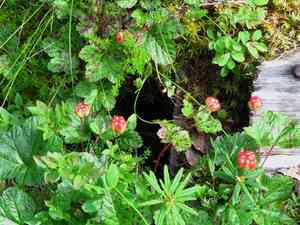
A resilient perennial fruit native to northern areas, cloudberry flourishes in acidic, peat-rich substrates. For propagating cloudberry, softwood cuttings prove most successful. Sever robust stems during their active development phase and embed them in a blend of peat and sand, ensuring elevated humidity and moderate light exposure. Rooting stimulant can aid in their establishment. Once roots have formed, gentle manipulation protects the delicate root structure. Meticulous relocation to comparable indigenous soil environments will produce optimal outcomes for productive growth.
Optimal Time for Cloudberry Propagation
Propagation Method
Seeding
Propagation Period
Spring
Tools for Cloudberry Propagation
Seed trays
Seed trays are vital for initiating cloudberry seeds under controlled conditions. Their individual compartments allow for tailored care and monitoring of each seedling, aiding in better growth management during critical early stages. They also help maintain ideal soil moisture and temperature, essential for cloudberry germination.
Humidity dome
A humidity dome fits over the seed tray to maintain high humidity levels, which are necessary for cloudberry germination. This tool ensures moisture doesn't evaporate too quickly, providing a stable microenvironment that promotes healthier, more uniform seedling growth.
Heat mat
A heat mat provides a consistent heat source, crucial for cloudberry germination, as it requires stable, warm soil temperatures to begin sprouting. Placing a seed tray on a heat mat can significantly improve seedling emergence success by maintaining the optimal temperature range specific to cloudberry.
Potting mix
Using a specially formulated potting mix that drains well yet retains adequate moisture is crucial for cloudberry. This medium offers the necessary support and nutrient balance, ensuring delicate seedling roots are not waterlogged while still receiving ample hydration and aeration.
Cloudberry Propagation Guide
Propagation Type
Simple
Post-Propagation Care for Cloudberry
How to Care for Your Newly Propagated Cloudberry?
Once cloudberry seedlings emerge and develop their first true leaves, gradually acclimate them to outdoor conditions if not already outside. Transplant them to their permanent location, ensuring they are spaced about 30 cm apart to allow for growth. Continue to provide partial shade and moist soil conditions. Mulching around the plants can help retain soil moisture and reduce weed competition. Regularly check for pests and diseases, especially fungal infections, which can be prevalent in cooler, moist environments.
Common Errors to Avoid When Propagating Cloudberry
Overwatering
Excessive watering can lead to root rot in cloudberry, as this species thrives in well-drained conditions. This could severely impact the plant's health by inhibiting root development and decreasing survival rates.
Deep planting
Planting cloudberry seeds or seedlings too deeply can hinder proper germination and root expansion due to insufficient access to surface light and oxygen, crucial for their initial growth stages.
Using unadapted soil mix
Utilizing a soil mix that does not mimic cloudberry's natural boggy, acidic environment can impede its growth. This is particularly detrimental as it can cause nutrient deficiencies and hinder root development.
Neglecting humidity needs
Failing to maintain high humidity around cloudberry can cause the plant to dry out, particularly in its critical developmental stages, potentially leading to leaf desiccation and stunted growth.
Cloudberry Propagation Tips
Mimic natural habitat
Ensure the potting mix is acidic and well-draining, with high organic content to mimic cloudberry's natural boggy substrate, facilitating healthier growth and reproduction.
Shallow planting
Plant seeds or seedlings shallowly to enable easy emergence and establishment of seedlings, enhancing their chances of successful growth and maturation.
Consistent moisture
Maintain consistent moisture levels in the soil, but ensure it's not waterlogged. A moist environment mimics cloudberry's natural growing conditions and supports its development.
High humidity
Keep the area around cloudberry humid, particularly during the propagation phase, to prevent drying and to simulate the moist conditions of its native environment.



