Optimal Soil for Growing Cineraria: What You Need to Know
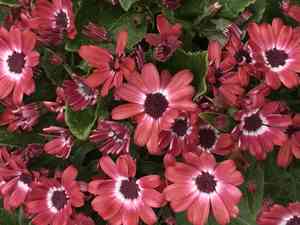
1
Cineraria flourishes in soil that drains effectively, preventing excess moisture and root decay.
2
Cineraria prefers a soil pH ranging from 6.5 to 7.5.
3
Adding organic material to the soil consistently enhances Cineraria's development and vitality.
Ideal Soil Type for Cineraria Cultivation
Soil with Good Drainage
For robust development, Cineraria plants necessitate soil that drains effectively. This soil type guarantees that surplus water exits rapidly, preventing saturation, which frequently causes root decay. To achieve well-draining soil, you can incorporate materials such as perlite or coarse sand. Both these elements enhance the soil's porosity, enabling water to pass through more freely.
Soil Acidity Level
Maintaining the appropriate pH level is vital for Cineraria. The optimal range lies between 6.5 and 7.5. This slightly acidic to neutral spectrum ensures the plant can efficiently absorb nutrients. You can assess your soil's pH using a home testing kit or by submitting a sample to a local agricultural extension service. Adjustments can be made using lime to elevate pH or sulfur to lower it.
Abundant in Organic Material
Cineraria plants flourish in soil abundant in organic material. Organic matter not only supplies crucial nutrients but also enhances the soil's structure. You can integrate compost or well-decomposed manure into the soil to boost its fertility. This guarantees a consistent release of nutrients and improves the soil's capacity to retain moisture.
Preparing Soil for Cineraria Planting
Sanitize the Growing Medium
To avert soil-borne diseases and pests, it's advisable to sanitize your soil prior to planting Cineraria. You can accomplish this by baking the soil in an oven at 180°F (82°C) for approximately 30 minutes. This procedure eliminates detrimental pathogens and weed seeds.
Incorporate Compost or Manure
Adding compost or well-rotted manure to your soil improves its nutritional content and structure. Compost enriches the soil with vital nutrients and beneficial microorganisms, fostering healthy plant growth. Spread a layer of compost or manure over the soil and blend it in thoroughly.
Add Perlite or Sand
For enhanced drainage, mix perlite or coarse sand into your soil blend. Perlite is a lightweight volcanic rock that maintains soil aeration, while sand helps water to exit quickly, preventing waterlogging. Aim for a mixture with about 20-30% perlite or sand.
Blend Thoroughly
After incorporating compost, perlite, or sand, mix the soil comprehensively to ensure an even distribution of amendments. This will create a consistent growing medium, providing Cineraria with uniform access to nutrients and proper drainage.
Common Soil Problems for Cineraria and Their Solutions
Excessive Watering and Root Decay
Over-watering is a frequent problem that can lead to root decay, a condition that can severely impact Cineraria. To remedy this, ensure your soil has good drainage and avoid watering too often. If root rot occurs, remove the affected plant parts and improve soil drainage.
Nutrient Deficiencies
Nutrient deficiencies can manifest as yellowing foliage or stunted development. Regularly incorporating organic matter and utilizing a balanced fertilizer can help prevent these deficiencies. If symptoms appear, a soil test can identify which specific nutrients are lacking.
Inadequate Drainage
Poor drainage can cause waterlogging and root diseases. To address this, improve soil structure by adding perlite or sand and ensure your planting container has sufficient drainage holes. Replacing dense or compacted soil with a lighter mix can also help.
How Soil Quality Influences Cineraria Blooms
Effect on Flowering
The quality of the soil directly influences the blooming of Cineraria. Nutrient-rich, well-draining soil promotes robust root systems, leading to more vibrant and abundant flowers. Poor soil conditions, conversely, can result in fewer blooms and less vivid colors.
Effect on Plant Vitality
Healthy soil is the cornerstone of a vigorous Cineraria plant. Soil rich in organic matter and with the correct pH level supports strong growth and disease resistance. Neglecting soil quality can lead to weakened plants that are more vulnerable to pests and diseases.
Effect on Growth Rate
Optimal soil conditions accelerate the overall growth rate of Cineraria. Properly amended soil with adequate nutrients and drainage allows the plant to grow faster and establish a strong presence in your garden or container.
Tips for Sustaining Optimal Soil Conditions for Cineraria
Regular Soil Analysis
Conduct routine soil tests to monitor pH levels and nutrient content. This will help you identify any deficiencies early and make the necessary adjustments to maintain optimal soil health for your Cineraria.
Soil Enhancements
Utilize soil enhancements like compost, manure, and perlite regularly to boost soil fertility and structure. These amendments improve water retention, aeration, and nutrient availability, creating the best environment for Cineraria.
Correct Watering Practices
Water your Cineraria plants appropriately by allowing the top layer of soil to dry out between waterings. Avoid over-watering and ensure excess water can drain away to prevent root problems. During warm weather, water more frequently but always check the soil moisture first.



