Enhancing Your Garden Design with the Cineraria Plant: A Landscaping Guide
1
Cineraria flourishes in both bright sun and dappled light, allowing it to fit well into diverse garden layouts.
2
Appropriate soil conditions and water runoff are essential for keeping Cineraria robust and colorful in your outdoor space.
3
Thoughtfully combining Cineraria with other flora can produce striking visual centers in your garden.
Introducing Cineraria to Your Landscape
The Visual Appeal of Cineraria in Outdoor Settings
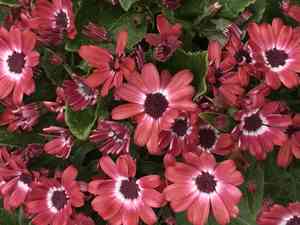
Cineraria provides undeniable visual appeal to any outdoor area. Its vivid hues and rich textures can transform an ordinary garden into a delightful sight. The adaptability of Cineraria means it can be utilized in various landscape designs, from modern to classic. Whether planted in groups or as individual features, these plants capture attention and bring a sense of balance and beauty to the surroundings. Their abundant blossoms are perfect for adding a burst of color that can brighten any landscape.
Current Trends Featuring Cineraria in Contemporary Gardens
Modern garden trends have increasingly embraced Cineraria for its capacity to integrate seamlessly with other plants while still standing out. One trend involves incorporating Cineraria into mixed borders, where their bright colors offer contrast against green foliage. Vertical gardens showcasing Cineraria are also gaining traction, adding depth and height to smaller areas. Another effective trend is the use of Cineraria in container gardening, which allows for flexible placement and movement within the garden, as well as easier management of soil and watering conditions.
Selecting the Ideal Location for Cineraria
Considering Sun Exposure and Shaded Areas
When selecting the ideal location for Cineraria, it's crucial to assess the amount of sunlight and shade the area receives. Cineraria can flourish in both full sun and partial shade, making it a versatile option for diverse garden environments. Placing Cineraria in spots that get morning sun and afternoon shade can help shield the plants from the intense heat of midday. This balance ensures Cineraria receives sufficient light to thrive without the risk of overheating or drying out.
Soil Composition and Drainage Requirements for Optimal Growth
Soil composition and drainage are vital factors for the optimal growth of Cineraria. They prefer well-draining soil enriched with organic matter, which supplies essential nutrients and aids in moisture retention. Poor drainage can lead to root rot, so ensuring the planting area is free from standing water is crucial. Adding compost or well-rotted manure to the soil can improve its texture and nutrient content. Before planting, it's wise to test the soil and amend it as needed to create an ideal growing environment for Cineraria.
Design Concepts Utilizing Cineraria
Combining Cineraria with Other Plant Varieties
Combining Cineraria with other plant varieties can create a lush and dynamic garden space. Pair Cineraria with plants that have contrasting foliage colors and textures to enhance visual appeal. For instance, combine Cineraria with ferns or ornamental grasses to create a balanced mix of bold blooms and subtle greenery. Another effective strategy is to use Cineraria alongside flowering plants that have complementary colors to create a unified color scheme. This method can help achieve a cohesive garden design that feels well-planned and visually pleasing.
Establishing Focal Points with Cineraria in Your Garden
Cineraria can serve as striking focal points in any garden design. Planting them in prominent spots such as the center of a garden bed or around a seating area can draw attention and create a captivating visual effect. Grouping several Cineraria plants together can create a bold statement, while using a solitary Cineraria plant in a decorative pot can make a stylish accent piece. The key is to strategically place Cineraria where their vibrant blooms can be most appreciated and enjoyed.
Seasonal Considerations for Cineraria Placement
When planning to place Cineraria, it's crucial to consider the seasonal requirements and conditions. Planting Cineraria in early spring or fall allows them to establish roots before the extreme weather of summer or winter. In cooler climates, they can be planted earlier, while in warmer regions, later planting might be preferable. Understanding the local climate will help ensure Cineraria receives the best possible conditions to thrive year-round. Additionally, seasonal upkeep like mulching in the fall and providing adequate water during dry periods can maintain their health and appearance throughout the year.
Cineraria Care Guidelines
Fundamental Needs: Light, Water, and Nutritional Requirements
For Cineraria to thrive, it's essential to meet their fundamental needs concerning light, water, and nutrients. Cineraria requires consistent watering, especially during dry spells, but be wary of over-watering, which can lead to root problems. They flourish in areas with full sun to partial shade and benefit from a balanced fertilizer applied during the active growth period. Keeping these elements in balance ensures Cineraria remains healthy and vibrant throughout the year.
Trimming and Tending to Cineraria for Robust Growth
Trimming is an important care aspect for maintaining the vigor and appearance of Cineraria. Regularly removing dead or damaged leaves and spent flowers encourages new growth and helps the plant direct its energy towards producing healthy blooms. Trimming also helps maintain the shape and size of Cineraria, making them more manageable and promoting better air circulation around the plant. Additionally, monitoring for pests and diseases and taking timely action can prevent significant health issues and keep your Cineraria looking their best.
Creative Applications of Cineraria in Landscape Projects
Innovative Planting Approaches and Layout Designs
Utilizing Cineraria in innovative planting approaches and layout designs can transform your garden into a unique and attractive space. Incorporate Cineraria into themed garden sections like a cottage garden or a tropical paradise to enhance the overall aesthetic. Layering plants with varying heights and colors can create depth and interest, and using Cineraria in hanging baskets or vertical gardens can save space while providing visual appeal. Experimenting with different planting patterns and arrangements can yield exciting and personalized garden designs.
Case Studies: Successful Landscape Designs Featuring Cineraria
Numerous successful landscape designs have prominently featured Cineraria, showcasing its versatility and impact. For example, a community garden project incorporated Cineraria in raised beds, providing a burst of color that engaged visitors and boosted community pride. Another case involved a residential garden design where Cineraria was used to create a vibrant border along pathways, enhancing the garden's visual charm and guiding visitors through the garden. These projects underscore the potential of Cineraria to elevate any landscaping effort, whether for public spaces or private gardens.



