How to Prune Cineraria?
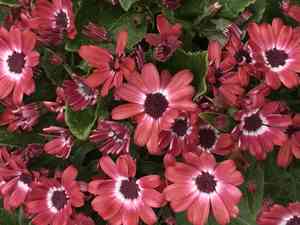
This lively, profusely flowering specimen flourishes with consistent removal of spent blossoms to foster ongoing floral display. Essential trimming methods involve eliminating faded blooms and shortening exhausted stalks to a leaf node to stimulate fresh development. Trimming can be performed across the entire cultivation period. Furthermore, a post-peak bloom reduction can revitalize the foliage. Pruning not only preserves aesthetic charm but also boosts the cineraria's vitality and blossom output.
Advantages of Trimming Cineraria
Advantages of Trimming Cineraria
Trimming cineraria promotes a more abundant flowering, stimulates robust development, and maintains a desired form. Careful cutting back can lead to a more visually appealing and healthy plant, capable of resisting pests and diseases.
Optimal Period for Trimming Cineraria
Optimal Period for Trimming Cineraria
Trimming cineraria in late winter or early spring is beneficial as the plant remains dormant, minimizing stress and lowering the risk of disease entering through cuts. This timing also prepares cineraria for strong spring growth, allowing it to recover before the active season. Furthermore, removing faded flowers after blooming encourages additional flowering and preserves the plant's shape and vitality. Avoid extensive trimming in late summer or fall, as new growth might suffer from frost damage.
Required Tools for Trimming Cineraria
Hand Pruners
Given the size and delicate nature of cineraria, hand pruners, also known as secateurs, are the perfect tool for precise cuts. They enable careful snipping of spent flowers and dead or diseased foliage without harming the rest of the plant.
Scissors
For more delicate trimming or deadheading of cineraria, a sharp pair of scissors can be advantageous. Scissors are suitable for cutting softer stems and removing unwanted growth without causing excessive damage to the plant.
Gloves
While not a direct pruning tool, wearing gloves is crucial when trimming cineraria to safeguard hands from potential irritants or plant sap, ensuring a safe gardening experience.
Cleaning Materials
To prevent disease spread, tools should be cleaned and disinfected between cuts, especially if removing diseased parts of cineraria. Use a bleach or alcohol solution to wipe the blades.
How to Trim Cineraria
Step1: Assess Trimming Requirements
Examine cineraria for areas needing trimming, such as dead flowers, withered leaves, and diseased stems. Ensure you have clean, sharp pruning shears for accurate cuts.
Step2: Deadheading Faded Blooms
Start with dead flowers. Locate spent blooms and cut them off just above the first set of healthy leaves. This practice, known as deadheading, encourages cineraria to produce more flowers and extends the blooming period.
Step3: Removing Dried Leaves
Identify and remove dried leaves to enhance air circulation and the overall health of cineraria. Cut these leaves off at their base where they meet the stem, being careful not to harm nearby healthy foliage.
Step4: Cutting Back Diseased Stems
Inspect cineraria for any stems showing signs of disease. Use the pruning shears to cut these stems back to healthy tissue. If the entire stem is affected, remove it at the plant's base. Disinfect shears after cutting diseased material to prevent spread.
Step5: Shaping the Plant
After removing all dead or diseased parts, step back to evaluate the shape of cineraria. If necessary, trim back any excessively long stems to maintain a balanced, compact form. Make cuts just above a leaf node or a set of leaves.
Step6: Clearing Trimmings
Clear all trimmings from around cineraria to reduce the risk of disease and pests. Compost healthy plant material and dispose of diseased parts appropriately.
Step7: Watering and Fertilizing
Water cineraria if the soil is dry and apply a balanced, water-soluble fertilizer to support healthy new growth after trimming.
Step8: Monitoring for New Growth
Monitor cineraria for new growth and repeat the trimming process as needed throughout the growing season to keep cineraria looking its best and to promote vigorous flowering.
Post-Trimming Care for Cineraria
Post-Trimming Care for Cineraria
After trimming, immediately water cineraria to alleviate stress. Maintain a well-lit area away from direct harsh sunlight. Keep the temperature between 60-70°F and humidity levels elevated. Apply a balanced, water-soluble fertilizer to encourage growth. Monitor cineraria for wilting or discolored leaves as indicators of stress. Ensure good air circulation to prevent fungal development. If signs of infection are present, treat with an appropriate fungicide.
Common Trimming Errors with Cineraria
Excessive Trimming Reduces Flowering Potential
Trimming too aggressively, which can stress cineraria and diminish its capacity to bloom.
Using Dull Tools Causes Infection and Damage
Failure to use clean, sharp trimming tools, risking infection and jagged cuts which can harm cineraria's health.
Ignoring Dead Flowers Limits New Growth
Neglecting to remove dead or fading flowers, which can prevent cineraria from directing its energy towards new growth and blooms.
Improper Cutting Into Old Wood Reduces Vigor
Cutting into old wood where new growth is unlikely, potentially reducing cineraria's vitality.
General Trimming Advice for Cineraria
Remove Faded Flowers for Growth and Bloom
Focus on removing spent blooms and dead or dying foliage to stimulate cineraria's growth and subsequent flowering.
Use Clean Cuts Above Nodes for Healthier Growth
Make clean, angled cuts just above leaf nodes or flowering stems to encourage healthier, more compact growth.
Trim for Shape and Disease Prevention
Regularly inspect cineraria and trim as needed to maintain its shape and promote air circulation, which reduces the risk of disease.
Thin Out Dense Growth to Avoid Fungal Issues
Practice thinning out dense areas of growth to ensure that light and air can penetrate the plant, which helps prevent fungal infections.



