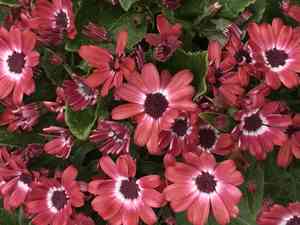
Cineraria (Pericallis hybrida)
Also known as: Florist's cineraria
Cineraria (Pericallis hybrida) is a perennial that flourishes in cool, humid environments. It's often grown indoors due to its high maintenance needs. Provide bright but indirect light, avoiding direct sunlight. Use rich, well-draining soil and keep it consistently moist without overwatering to prevent root rot. Ensure the foliage remains dry when watering. High humidity levels support optimal growth, and maintaining moderate soil moisture is key to vibrant flower production.
Attributes of Cineraria
Images of Cineraria
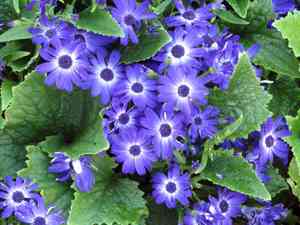
Quickly Identify Cineraria
Scientific Classification of Cineraria
Planting and Growing of Cineraria
 How to Water Cineraria?
 What Are the Sunlight Requirements for Cineraria?
 What Is the Ideal Temperature Range for Cineraria?
 What Soil is Best for Cineraria?
 How to Fertilize Cineraria?
 How to Prune Cineraria?
 How to Propagate Cineraria plant?
 How to Repot Cineraria plant?
Toxicity of Cineraria
Is Cineraria toxic to cat?
Cineraria poses a toxic threat to cats. If cats accidentally ingest any portion of this plant, they may face the possibility of poisoning. Following the consumption of cineraria, feline companions might show a range of symptoms that suggest they are experiencing physical distress or discomfort. Therefore, it is vital for cat owners to keep a close watch on their pets and restrict their access to cineraria to prevent any risk of poisoning. If a cat shows any signs of illness after exposure to cineraria, it is imperative to seek prompt veterinary assistance to guarantee appropriate treatment and avert any serious health consequences.
Is Cineraria toxic to dog?
Cineraria is recognized as toxic to canines. If dogs consume any part of this plant, whether unintentionally or out of curiosity, they can experience poisoning. The entire organism poses a threat, indicating that every component of cineraria, including leaves, flowers, and stems, could be dangerous if ingested by a dog. Signs of poisoning in dogs may encompass vomiting, diarrhea, excessive drooling, faintness, and in severe instances, more grave neurological symptoms such as tremors or seizures. It is vital for dog owners to remain alert and prevent their pets from coming into contact with cineraria. Should there be any suspicion that a dog has ingested any part of cineraria, it is crucial to seek prompt veterinary assistance to secure the best possible outcome for the animal.



