How to Prune Aaron's Rod?
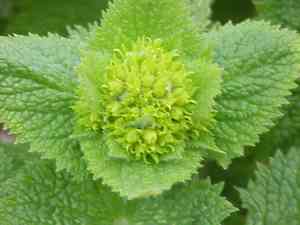
Aaron's Rod, a biennial or brief perennial recognized for its lofty, thick clusters of yellow blossoms, flourishes with little upkeep. After flowering, trim spent flower stems to foster a neat look and inhibit self-propagation. The perfect period for cutting back is spring or late summer, stimulating fresh development while providing sufficient time for seeds to mature. Consistent removal of faded blooms boosts the plant's strength and can extend its flowering period. Significant pruning is unnecessary, rendering aaron's Rod an undemanding yet gratifying inclusion in any landscape.
What Are the Benefits of Pruning Aaron's Rod?
What Are the Benefits of Pruning Aaron's Rod?
Trimming aaron's Rod promotes robust development and helps maintain a desired form. Regular cutting back can stimulate new growth, ensuring aaron's Rod remains healthy and strong, while shaping allows for a more visually appealing garden display.
What Is the Best Time for Pruning Aaron's Rod?
What Is the Best Time for Pruning Aaron's Rod?
Pruning in late spring coincides with the completion of aaron's Rod's blooming cycle, thereby preventing harm to flower buds that may have already formed. This timing enables the gardener to remove faded flower stalks, which can encourage a second bloom under certain conditions. Early summer pruning ensures that any disease or damage from spring growth is addressed before the plant enters a more dormant phase in late summer and fall. Pruning at this time also shapes the plant and stimulates new growth while there is still ample time for the plant to recover and strengthen before winter. It is essential to avoid pruning during damp conditions to prevent the spread of disease.
What Tools Do I Need to Prune Aaron's Rod?
Hand Pruners
Crucial for making precise cuts on aaron's Rod's smaller stems during thinning or shaping.
Pruning Saws
Suitable for cutting through aaron's Rod's woody stems exceeding 3/4 inch in diameter.
Lopping Shears
Ideal for cutting through tough stems and branches of aaron's Rod when too thick for hand pruners.
Gardening Gloves
Protection is important while pruning aaron's Rod, to avoid scratches from its stiff stems and foliage.
Pruning Snips
Useful for deadheading or removing spent flower spikes of aaron's Rod with precision and minimal damage to the plant.
How to Prune Aaron's Rod
Clean Tools
Begin by sanitizing all pruning tools to prevent the spread of disease. Use a solution of 1 part bleach to 9 parts water to disinfect scissors, shears, and any other equipment you plan to use on aaron's Rod.
Remove Diseased Leaves
Carefully identify and trim off any diseased leaves from aaron's Rod. Use sharp scissors and make clean cuts to remove the entire leaf, including the leaf stem, to prevent further infection.
Remove Withered Leaves
Examine aaron's Rod for withered or dead leaves that no longer contribute to the plant's health. Snip these leaves off at the base where they meet the stem to encourage new growth and improve air circulation.
Prune Diseased Stems
Locate and cut back any diseased stems on aaron's Rod. Make angled cuts just above a node or a healthy offshoot to promote healing and reduce the risk of water accumulation, which can lead to rot.
Dispose Of Trimmed Materials
After pruning, promptly dispose of all removed diseased and withered leaves and stems. Do not compost these materials as they may contain pathogens that can survive and spread to other plants.
Common Pruning Mistakes with Aaron's Rod
Over Pruning
Removing too much foliage at once can shock aaron's Rod, leading to stunted growth or even death of the plant.
Improper Tool Usage
Using dull or dirty pruning tools can result in jagged cuts that are more susceptible to disease and pest infestations.
Pruning Live Blooms
Aaron's Rod is known for its tall flower spikes; cutting these blooms prematurely can reduce the plant's aesthetic appeal and potential for re-seeding.
Neglecting Plant Shape
Pruning without attention to the natural shape of aaron's Rod can lead to an unbalanced appearance and poor structure.
Ignoring Deadheading
Failing to remove spent flowers can prevent aaron's Rod from producing new blooms and seeds.
Common Pruning Tips for Aaron's Rod
Proper Tools
Use sharp, clean pruning shears to make clean cuts, which are less prone to infections and promote quicker healing.
Selective Pruning
Thin out crowded areas to increase air circulation and light penetration, which can help prevent disease and promote vigorous growth.
Deadheading
Regularly remove spent flowers to encourage aaron's Rod to produce more blooms and to prevent self-seeding, if not desired.
Shaping
Prune aaron's Rod by following its natural growth habit to maintain an aesthetically pleasing shape and avoid cutting back into woody stems that may not regenerate.
Successive Flowering
Leave some seed heads if you want aaron's Rod to self-seed and produce new plants the following season.



