Enhancing Your Garden Design with the Aaron's Rod Plant: A Landscaping Guide
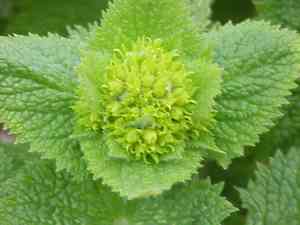
1
Aaron's Rod provides impressive vertical appeal through its lofty, elegant flower stalks.
2
Aaron's Rod requires minimal upkeep, making it perfect for both new and seasoned gardeners.
3
For best development, cultivate Aaron's Rod in soil that drains well and receives ample sunlight.
Introducing Aaron's Rod for Landscaping
Why Select Aaron's Rod for Your Garden?
Opting for Aaron's Rod in your garden offers a superb method to introduce both height and visual appeal. Renowned for its towering, sturdy stems adorned with yellow blooms, Aaron's Rod can serve as a captivating focal point in your landscape design. Its minimal upkeep requirements make it suitable for gardeners of all experience levels. Furthermore, Aaron's Rod attracts pollinators such as bees and butterflies, fostering biodiversity in your garden.
The Aesthetic Charm of Aaron's Rod
The aesthetic charm of Aaron's Rod stems from its striking form and vibrant flowers. The bright yellow blossoms create a beautiful contrast against green foliage, establishing a natural center of attention. Its impressive height can add layers and depth, breaking the uniformity of a flat landscape. Whether utilized in borders, as a solitary feature, or in mass plantings, Aaron's Rod effortlessly enhances your garden's beauty.
Optimal Placement for Aaron's Rod's Impact
Prime Garden Spots for Aaron's Rod
To maximize Aaron's Rod's impact in your garden, consider planting it in sunny areas with well-draining soil. Ideal locations include the rear of flowerbeds, alongside fences, or as a backdrop for shorter plants. Its tall stature makes it perfect for creating a layered effect in borders or adding vertical interest to otherwise flat, open spaces.
Plants That Complement Aaron's Rod
When choosing companion plants for Aaron's Rod, select species that thrive in similar conditionsâsunny, well-drained environments. Good partners include grasses, lavender, and other drought-tolerant perennials. These plants not only enhance Aaron's Rod's visual appeal but also share similar care needs, simplifying garden maintenance.
Seasonal Considerations for Aaron's Rod
Ideal Planting Times for Aaron's Rod
The best time to plant Aaron's Rod is during spring or early autumn. Planting in these periods allows the plant to develop a robust root system before the extremes of summer or winter arrive. Spring planting provides the benefit of a full growing season ahead, ensuring your Aaron's Rod blooms beautifully by summer.
How Aaron's Rod Adapts to Seasons
Aaron's Rod is a resilient plant that adjusts well to seasonal changes. In spring and summer, it produces its characteristic tall flower spikes. As autumn approaches, the foliage may recede, but the plant's deep roots will endure. A light layer of mulch can help protect the roots during winter, ensuring Aaron's Rod re-emerges strong and healthy in the subsequent growing season.
Maintenance Advice for Aaron's Rod in Landscape Design
Pruning Methods for Aaron's Rod
Pruning Aaron's Rod is straightforward. After the blooming period, remove spent flowers to encourage new growth and prevent self-seeding. In late autumn, cut back the flower stalks to ground level to neaten the garden and prepare the plant for winter. Regular pruning also promotes healthier plants and more vigorous blooming in the following season.
Watering and Fertilization Requirements
Aaron's Rod is relatively low-maintenance regarding watering and fertilization. Water the plant deeply but infrequently, allowing the soil to dry out between irrigation sessions. Over-watering can lead to root rot. Fertilize sparingly; a balanced, slow-release fertilizer applied in early spring will suffice for the growing season.
Design Concepts Featuring Aaron's Rod
Creating Visual Highlights with Aaron's Rod
To create a visual highlight with Aaron's Rod, plant it in groups or as a single specimen in key locations such as the center of a flower bed or at garden entrances. Its tall spikes draw the eye upward, naturally directing attention and adding dramatic flair to your landscape.
Incorporating Aaron's Rod into Various Garden Styles
Aaron's Rod is adaptable and can be integrated into diverse garden styles. In a cottage garden, combine it with other traditional blooms like roses and foxgloves. For a modern minimalist approach, pair Aaron's Rod with sleek grasses and structural plants. In a drought-resistant garden, Aaron's Rod fits seamlessly with other xeriscape plants, offering both beauty and resilience.



