How to Propagate Aaron's Rod?
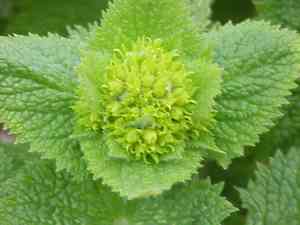
Belonging to the Scrophulariaceae family, aaron's Rod can be reproduced via seeding. For effective propagation, it is crucial to utilize a growing substrate that drains efficiently and retains uniform dampness without becoming saturated. Disperse the seeds on the surface as they need illumination for proper sprouting. It is advisable to provide a consistent setting by managing factors such as warmth and preventing direct solar exposure, which could hinder the sensitive procedure. Following germination, carefully relocate the young plants to prevent root damage and encourage vigorous development.
Optimal Time for Aaron's Rod Propagation?
Propagation Method
Seeding
Propagation Period
Spring
Tools for Aaron's Rod Propagation?
Seed trays
Seed trays are vital for the initial phase of sowing aaron's Rod seeds. They offer a controlled setting, beneficial for managing soil quality and moisture levels necessary for effective aaron's Rod seed germination.
Sieve
A fine sieve is crucial for preparing a light, fine-textured growing medium, ideal for aaron's Rod germination. It ensures the soil is free of large particles that could hinder delicate sprouting seeds.
Misting bottle
A misting bottle is used for gentle watering of seeds post-sowing. It provides essential moisture for germination without dislodging or exposing aaron's Rod seeds, which is critical for successful growth.
Heat mat
A heat mat promotes an ideal soil temperature, essential for aaron's Rod germination. By maintaining consistent warmth, it boosts germination rates and encourages stronger, more vigorous early growth.
Grow lights
Grow lights supply sufficient light levels for aaron's Rod if natural sunlight is inadequate, especially for indoor propagation. These lights help ensure seedlings develop robustly and healthily.
Labels and markers
Labels and markers are important for identifying and tracking aaron's Rod's progress through its growth stages, particularly when managing multiple species or varieties. Accurate labeling aids in applying specific care for each variety.
How to Propagate Aaron's Rod?
Propagation Type
Simple
Caring for Newly Propagated Aaron's Rod?
Caring for Newly Propagated Aaron's Rod?
Aaron's Rod needs full to partial sun and well-draining soil to flourish after propagation. It also benefits from occasional deep watering but avoid overwatering, especially in heavy soils. Mulching helps retain soil moisture and control weeds. As aaron's Rod matures, deadhead spent blooms to encourage more flowering and prevent unwanted self-seeding.
Common Mistakes to Avoid When Propagating Aaron's Rod
Overwatering
Propagating aaron's Rod demands careful water management. Too much moisture can cause root rot, impeding new plant growth and potentially leading to plant death, as aaron's Rod prefers well-drained soil.
Deep planting
When aaron's Rod seeds are sown too deeply, they may lack the energy to break the surface, hindering germination due to aaron's Rod's need for light to stimulate seed germination.
Neglecting light
Aaron's Rod seeds require adequate light to germinate. Placing them in overly shaded areas can prevent germination. For cuttings, providing balanced light without scorching is crucial.
Overcrowding
Sowing aaron's Rod seeds too closely can lead to competition for nutrients and light, resulting in weaker plants. Overcrowding also heightens the risk of disease spread.
Ignoring pest control
During aaron's Rod propagation, failing to monitor and manage pests can result in weakened or destroyed offspring, as pests can quickly infest and harm young plants.
Tips For Propagating Aaron's Rod
Correct medium
Utilize a well-draining propagation medium to optimize root development and minimize moisture-related diseases for aaron's Rod. The right medium provides adequate nutrients and moisture balance.
Light exposure
Ensure aaron's Rod seeds are lightly covered or pressed into the soil surface, as they need light for optimal germination. For cuttings, provide bright, indirect light to encourage rooting.
Appropriate spacing
Space aaron's Rod seeds and cuttings adequately to prevent overcrowding. This allows for healthy root spread and minimizes disease risk.
Moderate watering
Water aaron's Rod with care. The soil should remain moist but not waterlogged, ensuring proper seed germination and cutting establishment without harming the plant.
Pest monitoring
Regularly inspect aaron's Rod for signs of pests during propagation, and take preventative measures to protect tender new growth from infestation.



