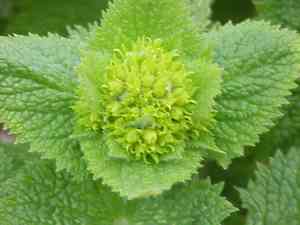
Aaron's Rod (Verbascum virgatum)
Also known as: Blanket Weed, Candle Stick, Green Mullein, Slender Mullein, Wand Mullein
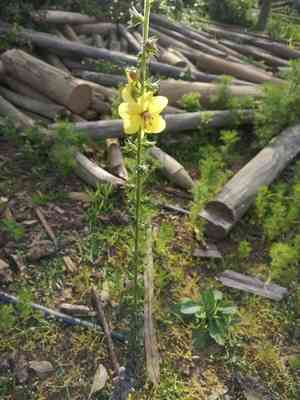
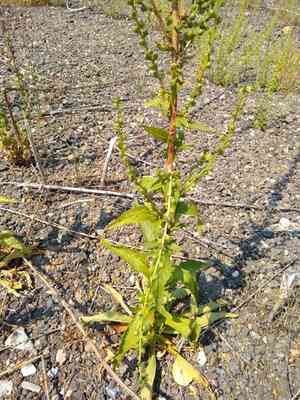
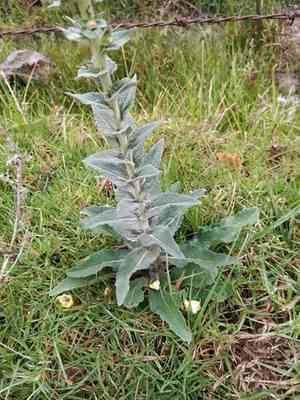
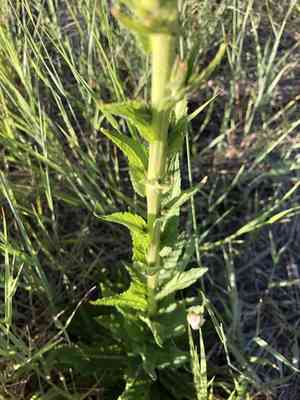
Aaron's Rod, or Verbascum virgatum, is typically a biennial or short-lived perennial herb that can reach heights of 1 to 1.5 meters. It features tall, upright stems adorned with narrow, lance-shaped leaves. The plant produces spikes of small, vibrant yellow flowers, which bloom from late spring to early fall.
Key Characteristics:
- Height: 1 to 1.5 meters
- Flowers: Yellow, five-petaled, blooming along tall spikes
- Leaves: Narrow and lance-shaped
- Seeds: Appear after flowering, transitioning from pinkish to golden brown as they mature in the fall
Natural Habitat:
- Prefers well-drained, sandy or gravelly soils
- Thrives in sunny, open areas like meadows, roadsides, and disturbed lands
- Native to Europe and parts of Asia, but has spread to North America and other regions
- Often found in the western regions along sea cliffs and banks
Aaron's Rod is resilient in poor soil conditions and is known for its drought tolerance.
Attributes of Aaron's Rod
Images of Aaron's Rod
Quickly Identify Aaron's Rod
Scientific Classification of Aaron's Rod
Planting and Growing of Aaron's Rod
 How to Water Aaron's Rod?
 What Are the Sunlight Requirements for Aaron's Rod?
 What Is the Ideal Temperature Range for Aaron's Rod?
 What Soil is Best for Aaron's Rod?
 How to Fertilize Aaron's Rod?
 How to Prune Aaron's Rod?
 How to Propagate Aaron's Rod plant?
 How to Repot Aaron's Rod plant?
Toxicity of Aaron's Rod
Is Aaron's Rod toxic to cat?
Aaron's Rod is categorized as possessing Mild Toxicity to cats. Cats may unintentionally consume parts of the Aaron's Rod, resulting in adverse health consequences. The whole plant is toxic, and consumption can lead to cats displaying signs of physical distress. In such cases, it becomes imperative to obtain prompt veterinary assistance to guarantee the cat receives proper treatment and supportive care. Keeping a close watch on your pet to restrict access to Aaron's Rod can significantly reduce the risk of poisoning.
Is Aaron's Rod toxic to dog?
Aaron's Rod is considered to possess mild toxicity for dogs. Canines might unknowingly consume various parts of Aaron's Rod, which could result in potential poisoning. Given that the whole plant is toxic, dogs can experience poisoning from eating any component of it. Signs of poisoning in dogs may encompass gastrointestinal distress, including vomiting and diarrhea, and in more severe cases, reactions can vary based on the quantity ingested and the sensitivity of the individual dog. If you believe your dog has ingested Aaron's Rod, it is crucial to pursue immediate veterinary assistance to guarantee appropriate treatment and symptom management.



