How to Prune Blue orchid?
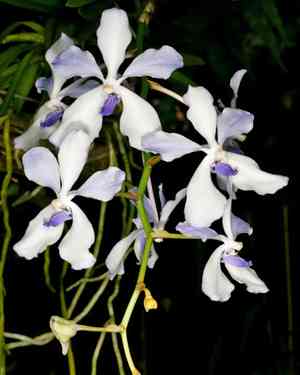
This epiphytic orchid, recognized for its vibrant blue blossoms and elevated, vertical growth pattern, thrives with periodic trimming to preserve its appearance and well-being. Essential methods involve removing deceased or discolored foliage near the base and severing faded flower stalks close to the main stem. Trimming can occur at any point, with consideration for its flowering period to prevent the removal of nascent buds. This practice boosts air movement, stimulates fresh development, and amplifies blooming capacity.
Advantages of Trimming Blue Orchid
Advantages of Trimming Blue Orchid
Trimming blue orchid promotes more abundant blooms, revitalizes growth, and maintains an attractive shape. By selectively removing plant sections, air circulation improves, which can lower the risk of disease.
Optimal Time for Trimming Blue Orchid
Optimal Time for Trimming Blue Orchid
The period following flowering is ideal for pruning or trimming blue orchid, as the plant has finished its most energy-intensive task – blooming. Trimming at this time stimulates new growth and helps maintain plant vigor. Pruning can remove spent flowers and can be done as blooms fade to encourage new shoots. This timing also aligns with blue orchid's natural growth cycle, which typically includes a rest phase after flowering before active growth resumes. Seasonal considerations suggest avoiding pruning during extreme weather, such as cold or very high temperatures, which blue orchid may not tolerate well. Instead, aim for mild weather that supports healing and new growth.
Required Tools for Pruning Blue Orchid
Sterilized Pruning Shears
Useful for making clean cuts on blue orchid's flower spikes after blooming, helping to prevent infection.
Fine-pointed Scissors
Perfect for precise trimming of dead or yellowed leaves and roots without harming the healthy parts of blue orchid.
Gloves
Provides a secure grip and protects hands when handling blue orchid, which might have sharp edges or be covered in growing medium.
Rubbing Alcohol or Bleach Solution
For sanitizing tools before and after use on blue orchid, to prevent the spread of diseases between plants.
Soft Cloth
For gently cleaning any plant sap or debris from the tools after pruning blue orchid, preserving their condition for future use.
How to Prune Blue Orchid
Sanitize Tools
Before beginning, sterilize all pruning tools with alcohol or a bleach solution to prevent disease transmission to blue orchid.
Diseased Material
Carefully remove any diseased leaves or branches from blue orchid using sterilized scissors or pruners. Cut material at the base without harming healthy parts.
Dead Material
Eliminate dead branches and withered leaves by snipping them off close to the stem of blue orchid. Make clean cuts to avoid jagged edges that can attract pests or rot.
Withered Flower
Prune back withered flowers on blue orchid to their point of origin on the stem. This helps promote healthy new growth and flowering.
Post Prune
After pruning blue orchid, properly dispose of all removed material and clean your tools again to eliminate the risk of disease transmission. Consider applying a fungicide or horticultural oil, if appropriate, to protect against infections.
Common Pruning Errors with Blue Orchid
Excessive Pruning
Removing too many aerial roots or leaves, which can stress blue orchid and hinder its ability to absorb moisture and nutrients.
Cutting Healthy Growth
Pruning new shoots or green root tips, potentially damaging the future growth and flowering prospects of blue orchid.
Improper Sterilization
Using unsanitized tools, which can introduce pathogens and diseases to the blue orchid, compromising its health.
Pruning For Aesthetics Only
Shaping blue orchid purely for visual appeal without considering the plant's growth pattern or health can lead to unbalanced growth and vulnerability to pests and diseases.
Incorrect Cut Placement
Making cuts too close to the stem or growth nodes, risking damage to these crucial areas and potentially inhibiting new growth in blue orchid.
General Pruning Advice for Blue Orchid
Health Assessment
Before pruning blue orchid, evaluate the plant's health to identify dead, diseased, or damaged parts, ensuring only these are removed.
Sharp And Clean Tools
Use sharp, clean pruning shears or scissors to make clean cuts and prevent infection in blue orchid.
Protective Trimming
When trimming blue orchid's roots, leave enough of the root system intact to support the plant's current size and encourage continued growth.
Post-Pruning Care
After pruning, maintain optimal care for blue orchid, including appropriate watering, feeding, and lighting, to support recovery and robust growth.
Judicious Cuts
Make considered cuts, ensuring that each is purposeful and beneficial for the health or propagation of blue orchid, avoiding unnecessary trimming.



