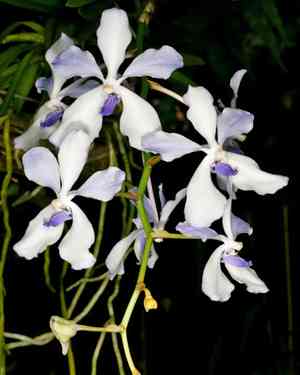
Blue orchid (Vanda coerulea)
Also known as: Blue Vanda, Blue Orchid
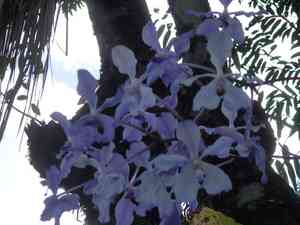
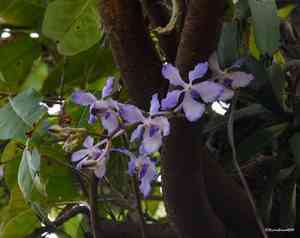
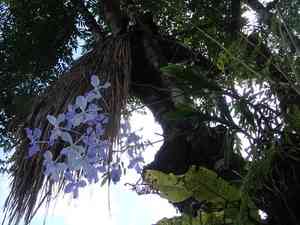
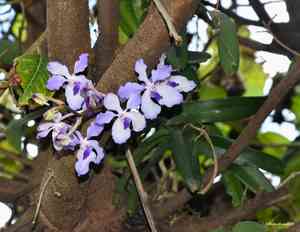
The blue orchid, known for its large, vivid blue flowers, is typically found clinging to the rough bark of small-leafed trees in Northeast India. These long-lasting flowers are highly valued by orchid growers for creating deep blue and purple hybrids.
In This Article
Attributes of Blue orchid
Lifespan
Perennial
Plant Type
Herb
Plant Height
75 cm to 1.5 m
Spread
50 cm
Leaf Color
Green
Flower Size
1.8 cm to 2.5 cm
Flower Color
White Pink Blue Yellow Purple
Images of Blue orchid
Quickly Identify Blue orchid
1
Vanda coerulea can be identified by its large, fleshy leaves that grow in two rows along the stem, and its striking blue flowers with a grid-like pattern. The plant has aerial roots that can absorb moisture from the air.
Scientific Classification of Blue orchid
Phylum
Vascular plants
Class
Monocotyledons
Order
Asparagales
Family
Orchid
Genus
Vanda
Species
Blue orchid
Planting and Growing of Blue orchid
Care Difficulty
Hard
Watering Schedule
Every 4 days
Sunlight Requirements
Partial sun
Sunshine Duration
6-10 hours
Ideal Temperature
60-75℉
Soil Type
Potting Mix, Peat Mix
Soil pH
6.5-7.5
Fertilizer Type
Balanced
Pruning Season
Spring, Summer
Pruning Area
Branches, Leaves
Pruning Frequency
2 times a year
Repotting Season
Spring
Pot Type
Plastic, Ceramic
 How to Water Blue orchid?
When watering Vanda coerulea, ensure it's thorough enough that water runs through the drainage holes, but ensure it's just enough for moisture, usually around 100ml per session. This ensures that the roots get sufficient moisture without becoming waterlogged, which can lead to rot.
More About Watering Techniques→
What are the symptoms of an underwatered Blue orchid?
›
What should I do if my Blue orchid is not getting enough water?
›
What are the symptoms of an overwatered Blue orchid?
›
How to save an overwatered Blue orchid?
›
 What Are the Sunlight Requirements for Blue orchid?
Vanda coerulea does best with partial sun, which translates into 3-5 hours of dappled sunlight daily. This range optimizes growth, ensuring healthy, vibrant blooms and resistance to diseases.
More About Sunlight Requirements Techniques→
What is the ideal light for Vanda coerulea?
›
How to achieve ideal lighting for Vanda coerulea?
›
What benefits stem from ideal lighting for Vanda coerulea?
›
 What Is the Ideal Temperature Range for Blue orchid?
Vanda coerulea thrives best in a temperature range of 60 to 75°F. This moderate range helps in mimicking their natural habitat, promoting healthy growth and vibrant blooms. Keeping temperatures within this range minimizes stress on the plant, ensuring it receives the warmth necessary for efficient photosynthesis and metabolic functions.
 What Soil is Best for Blue orchid?
Vanda coerulea thrives in well-draining soil to prevent root rot. This requirement ensures adequate oxygen reaches the roots, promoting healthy growth and preventing fungal issues. The soil should be rich in organic matter to supply essential nutrients. This fosters robust plant development and vibrant blooming, ensuring your Vanda coerulea maintains its striking appearance. While drainage is crucial, maintaining moderate moisture is necessary to support continuous growth. Balancing these factors ensures the plant neither dries out nor experiences waterlogging.
More About Soil→
 How to Fertilize Blue orchid?
For Vanda coerulea, it's vital to apply a balanced 20-20-20 liquid fertilizer at half strength. This means using only half the recommended dose on the package to prevent any potential nutrient burn.
More About Fertilizing Techniques→
 How to Prune Blue orchid?
Begin by inspecting the Vanda coerulea for any dead or damaged leaves. Use sharp, sterilized scissors to carefully remove these unwanted sections. Cut as close to the base as possible without damaging the healthy parts. It's essential to prune above a leaf node to encourage new growth. Always aim for a clean cut to avoid potential infections. To maintain an appealing shape, gently trim the Vanda coerulea by adjusting its leaf arrangements. Avoid cutting more than 20% of the plant at once, which can stress the orchid. Focus on keeping a balanced form that allows each leaf ample exposure to light.
More About Pruning Techniques→
 How to Propagate Blue orchid plant?
1
Sow Vanda coerulea seeds on a sterile medium, ensuring a mold-free environment, and provide filtered light and consistent warmth to encourage germination.
2
Sterilize all equipment and growth medium thoroughly to eliminate any contaminants, as Vanda coerulea is highly sensitive during initial growth stages.
3
Use a sterile environment to initiate tissue cultures by placing small pieces of plant tissue on a nutrient-rich medium under controlled conditions.
 How to Repot Blue orchid plant?
1
Vanda coerulea needs repotting when the roots outgrow the current pot or if the potting medium deteriorates. This usually happens every 2-3 years. Look for roots circling inside or outside the pot as a key indicator. Dormant seasons in Spring and Autumn are perfect timing as the plant is not actively growing, which reduces stress.
2
Choose a pot that is slightly larger than the current one, with good drainage holes. Vandas prefer hanging baskets or wooden slat baskets that allow maximum air circulation for the roots. Ample airflow prevents root rot and mimics the plant's natural epiphytic environment, which promotes healthy root development.
3
Select a coarse orchid bark mix as the potting medium, which ensures excellent drainage and aeration. The chunky bark mix mimics the natural growing conditions where Vandas cling to rough surfaces. It allows roots to breathe and prevents water retention, which is crucial for avoiding root rot in these epiphytes.



