Optimal Fertilizer for Growing Blue orchid: What You Need to Know
1
Blue orchids flourish with fertilization every 1-2 weeks during their summer growth period.
2
Excessive fertilization of your Blue orchid may cause nutrient burn, visible as scorched or browned leaf tips.
3
A balanced 20-20-20 NPK fertilizer, at half concentration, is perfect for maintaining your Blue orchid's well-being.
Understanding Nutrient Requirements for Blue orchid
What Essential Elements Does Blue orchid Need?
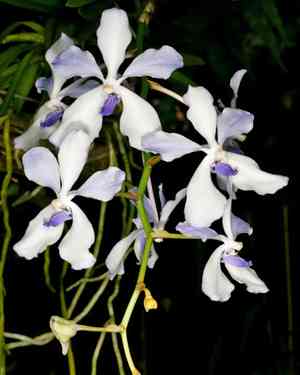
The Blue orchid, celebrated for its striking blue-violet blossoms, requires a balanced array of nutrients to flourish. These orchids typically need three main macronutrients: Nitrogen (N) for foliage development, Phosphorus (P) for robust roots and flowering, and Potassium (K) for overall plant vitality. Additionally, trace elements such as magnesium, calcium, and sulfur are crucial for maintaining the plantâs vibrant health.
Importance of NPK Ratios in Blue orchid Feeds
Selecting the correct NPK ratio is vital for your Blue orchid's well-being. A balanced formula like 20-20-20 is often suggested, as it supplies equal proportions of Nitrogen, Phosphorus, and Potassium. However, during the flowering stage, a fertilizer with higher phosphorus content (e.g., 10-30-20) may promote more blooms. Consistent NPK balance ensures your orchid receives appropriate nutrients throughout its growth cycle.
Optimal Period to Fertilize Blue orchid
Summer is the best time to feed your Blue orchid because it's their active growth period. During these warmer months, the plant's metabolic rate is highest, allowing it to efficiently absorb and utilize nutrients from fertilizers. Regular feeding in summer ensures the plant develops healthy roots and leaves, supporting sustained flowering.
Applying Fertilizer to Blue orchid
Step-by-Step Guide for Feeding Blue orchid
Fertilizing your Blue orchid is simple if you follow these instructions:Select a water-soluble orchid food.Dilute the fertilizer according to label directions, usually to half-strength.Water your orchid first to prevent root damage.Apply the diluted fertilizer solution generously to the roots and foliage.Ensure any excess solution is discarded to avoid standing water, which can lead to root rot.
Dilution Ratios and Methods for Blue orchid
When preparing the fertilizer solution, precisely adhere to the dilution rates specified on the product packaging. A general recommendation is to use half the suggested strength to prevent over-fertilization. So, if the package advises mixing 1 teaspoon of fertilizer in 1 gallon (3.78 liters) of water, use only ½ teaspoon per gallon. For orchids grown in bark, it's best to thoroughly water them with the solution, ensuring nutrients reach the roots.
Frequency of Feeding for Blue orchid
During the summer, fertilize your Blue orchid every 1-2 weeks. This frequency provides a steady supply of nutrients, supporting the plant during its most active growth phase. If you observe vigorous growth or particularly healthy leaves and roots, you can adjust the frequency to weekly. Conversely, during the dormant winter period, reduce feeding to once a month or stop entirely until growth resumes.
Common Fertilization Issues and Solutions for Blue orchid
Indicators of Over-fertilization in Blue orchid
Excessive fertilization can negatively impact your Blue orchid. Common signs include yellowing leaves, scorched leaf tips, and a white crust on the soil's surface. These symptoms result from salt accumulation in the potting medium, which can impede the plant's ability to absorb water correctly.
How to Remedy Nutrient Burn in Blue orchid
If you suspect nutrient burn, immediately flush the potting medium with ample water to wash away surplus salts. Ensure proper drainage to prevent root rot. Repeat this process weekly until improvement is seen. Meanwhile, refrain from fertilizing for a few weeks to allow your orchid to recover.
Tips for Preventing Fertilizer Accumulation
To prevent fertilizer build-up, periodically rinse your orchid's potting mix with plain water. This can be done monthly by thoroughly watering the plant, allowing it to drain, and removing any residual salts. Also, regularly using distilled or rainwater for irrigation can help minimize mineral accumulation, ensuring a healthier growing medium.



