How to Prune Horned bladderwort?
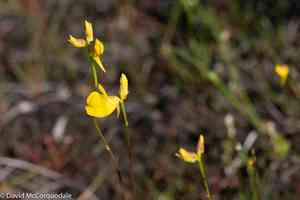
Horned bladderwort, a carnivorous aquatic perennial, flourishes in marshy environments, capturing sustenance within its distinctive bladder formations. Essential trimming entails excising faded flowers and any deceased or discolored foliage to preserve its well-being and visual appeal. The most effective time for this maintenance is during spring and summer, coinciding with its periods of active development. For horned bladderwort specifically, eliminating dead material can avert decomposition in its aquatic habitat and boost its capacity for nutrient absorption. Consistent trimming also stimulates robust development and potentially a greater number of prey-capturing bladders.
Benefits of Pruning Horned Bladderwort
Benefits of Pruning Horned Bladderwort
Trimming horned bladderwort promotes robust development by reallocating energy to foster stronger roots and shoots. It also aids in maintaining its desired form, preventing excessive growth that could impair its function and appearance.
Optimal Pruning Time for Horned Bladderwort
Optimal Pruning Time for Horned Bladderwort
The ideal periods for pruning or trimming horned bladderwort are during Spring and early Summer. These times align with the post-dormancy growth phase when horned bladderwort resumes active development, allowing the plant to recover quickly from pruning and channel its energy into producing new, healthy growth. Spring pruning also helps eliminate any winter-damaged foliage, which can revitalize horned bladderwort and enhance light and air circulation within the plant. Early Summer pruning ensures that shaping or size reduction does not interfere with its blooming season. Since horned bladderwort flowers in summer, early-season trimming avoids cutting off developing flower buds, ensuring the plant's natural bloom cycle remains undisturbed. This timing optimizes horned bladderwort's health and aesthetic appeal while preserving its natural flowering schedule.
Tools Required for Pruning Horned Bladderwort
Fine-tipped pruning scissors
Given the delicate and small structures of horned bladderwort, it is crucial to use fine-tipped pruning scissors for precise cuts without harming adjacent parts. These are perfect for trimming dead or yellowing leaves and shaping the plant without causing undue stress to its fragile stems and leaves.
Tweezers or forceps
Horned bladderwort demands careful handling to avoid disturbing its tiny, intricate bladder structures vital for its survival. Tweezers or forceps can be used to remove spent blooms or dead plant material with minimal disruption to the plant.
Magnifying glass
A magnifying glass is useful when pruning horned bladderwort due to its small, intricate nature. This tool will help to better visualize and prevent damage to the traps and other delicate parts of the plant during pruning.
How to Prune Horned Bladderwort
Sanitize
Before pruning horned bladderwort, sterilize cutting tools with alcohol or a bleach solution to prevent disease transmission.
Identify
Pinpoint the parts of horned bladderwort that need pruningâlook for diseased leaves, withered leaves, and diseased stems.
Cut Diseased Leaves
Carefully remove diseased leaves by cutting them at their base where they connect to the stem. Ensure not to damage healthy tissue nearby.
Cut Withered Leaves
Remove withered leaves at their base to encourage healthy growth and prevent them from draining nutrients from horned bladderwort.
Remove Diseased Stems
Prune diseased stems by cutting them back to a healthy section or the plant's base, depending on the disease's extent. Properly dispose of all diseased material.
Common Pruning Errors with Horned Bladderwort
Overpruning
Removing too much of horned bladderwort's foliage at once can stress the plant and hinder its natural growth and flowering ability.
Incomplete Removal
Not fully removing dead or dying traps can lead to decay and potential fungal infections, which could then spread to healthier parts of horned bladderwort.
Using Dull Tools
Employing dull or unclean pruning tools can result in jagged cuts that may harm horned bladderwort and introduce diseases.
Ignoring Growth Pattern
Failing to consider horned bladderwort's growth habit may lead to improper pruning, detracting from its natural shape and potentially reducing its vigor.
General Pruning Advice for Horned Bladderwort
Sterilize Tools
Before pruning horned bladderwort, always sterilize tools to prevent disease spread. Use rubbing alcohol or a 10% bleach solution to clean cutting implements.
Gentle Technique
Use a gentle touch when trimming horned bladderwort, as its delicate stems and leaves are easily damaged. Precision is crucial for maintaining the plant's health.
Focus On Dead Material
Concentrate on removing dead or dying bladder traps and yellowed foliage to help stimulate horned bladderwort's growth and prevent potential infections from spreading.
Maintenance Pruning
Regularly perform maintenance pruning to preserve horned bladderwort's shape and promote air circulation within the foliage, which can help prevent disease.



