How to Propagate Horned bladderwort?
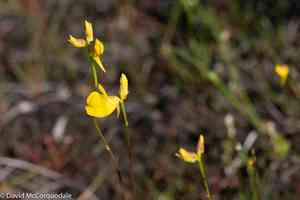
Utricularia cornuta, a carnivorous aquatic species, thrives in marshy or partially submerged habitats. For its propagation, the plant's rhizomes or stolons must be carefully separated to prevent harm to its fragile trapping mechanisms. Stem sections can also yield positive results when humidity levels are elevated. Insert these sections into a soilless substrate, like sphagnum moss, to facilitate proper root formation and deter decay. Each segment ought to possess a minimum of one active growth point for successful regeneration. Consistent substrate dampness is crucial for the rooting and development of Utricularia cornuta.
Optimal Period for Horned Bladderwort Propagation
Propagation Method
Division
Propagation Season
Spring,Autumn
Tools for Horned Bladderwort Propagation
Sharp Scissors or Knife
Crucial for clean, precise cuts during horned bladderwort division. Sharp tools prevent damage to delicate root structures and reduce infection risk, boosting propagation success.
Sterilizing Agent (e.g., Isopropyl Alcohol)
Utilized to sanitize cutting implements before and after use, minimizing disease transmission between plants. Sterilization is vital for horned bladderwort, prone to bacterial and fungal issues in its aquatic habitat.
Water Trays
Essential for housing horned bladderwort post-division, as it flourishes in aquatic settings. Water trays allow new segments to establish in a controlled, water-rich environment, aiding root development and reducing transplant shock.
Peat Moss or Sphagnum
These mediums help maintain proper moisture levels for horned bladderwort. They support divided sections, offering a nurturing environment that promotes growth while sustaining necessary water content.
Labeling Materials (e.g., Waterproof Tags)
Important for tracking different divisions, especially if various horned bladderwort genotypes are propagated. Proper labeling helps monitor growth and health, facilitating effective care and management.
How to Propagate Horned Bladderwort?
Propagation Type
Easy
Caring for Newly Propagated Horned Bladderwort
Caring for Newly Propagated Horned Bladderwort
Post-propagation, horned bladderwort care involves maintaining high humidity and keeping the growing medium moist. Provide ample light but avoid direct sun, which can be too intense. Fertilization is rarely needed as horned bladderwort adapts to nutrient-poor conditions. Regularly clean the area to prevent algae and check for pests or diseases. This care promotes robust regrowth and ensures the health of your new plants.
Common Mistakes to Avoid When Propagating Horned Bladderwort
Overwatering
Excessive watering can cause root rot in horned bladderwort, as its roots require a balance of moisture and air. Overwatering creates an anaerobic environment, harmful to the plant's health.
Using regular soil
Horned bladderwort naturally grows in acidic, nutrient-poor substrates. Using standard garden soil can provide too many nutrients and an incorrect pH, potentially hindering growth and root development.
Neglecting humidity needs
Horned bladderwort thrives in high humidity. Failing to provide adequate humidity can lead to desiccation and poor growth, as the plant cannot perform its natural functions effectively.
Tips For Propagating Horned Bladderwort
Use suitable substrate
Propagate horned bladderwort in a 1:1 peat and sand mix. This mimics their natural boggy habitat, providing the correct acidity and low nutrient content, vital for healthy growth.
Maintain high humidity
Keep high humidity around horned bladderwort, using humidity trays or a closed environment like a terrarium. This is crucial to prevent the delicate structures of horned bladderwort from drying out.
Manage water levels carefully
Ensure water levels are properly managed. While horned bladderwort prefers moist conditions, roots should not be constantly submerged, except in specific aquatic setups.



