The Horned bladderwort Plant Advantage: Maximizing Home and Office Appeal and Wellness
1
Horned bladderwort serves as a very efficient organic pest management solution.
2
This botanical specimen flourishes in acidic, low-nutrient soils and marshy areas, demanding little upkeep.
3
Horned bladderwort fosters ecological diversity by offering environments for numerous microscopic organisms.
What Are the Primary Advantages of Horned Bladderwort?
Natural Pest Management
A key benefit of Horned bladderwort is its function in natural insect control. The plant possesses bladder-like traps that efficiently capture small insects, which are then digested for nutrients. This inherent pest management system is especially useful in areas troubled by mosquitoes, gnats, and other tiny insects. By integrating Horned bladderwort into your garden, you can lessen the need for chemical pesticides, fostering a healthier ecosystem.
Microorganism Habitat
Horned bladderwort not only manages insect populations but also boosts biodiversity by offering homes for various microorganisms. These miniature ecosystems are vital for sustaining a balanced natural environment. The plant's traps house a distinct microbial community that aids in digesting captured prey. This symbiotic relationship helps break down organic matter, enriching the soil and supplying essential nutrients. Thus, introducing Horned bladderwort to your garden can cultivate a flourishing ecosystem of beneficial microorganisms.
Adaptability to Poor Soil
A notable characteristic of Horned bladderwort is its ability to adapt to nutrient-deficient, acidic soils commonly found in wetlands. This trait makes it an excellent choice for locations where other plants struggle to survive. By flourishing in challenging conditions, Horned bladderwort can play a critical role in restoring degraded lands. Furthermore, it demands minimal upkeep, making it an attractive option for gardeners seeking low-effort, high-impact plant additions.
How Can Horned Bladderwort Improve Your Garden?
Enhancing Visual Appeal
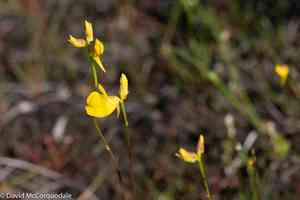
Horned bladderwort showcases bright yellow flowers that can add a burst of color to any garden. Its distinctive appearance, marked by horn-like structures and bladder traps, makes it a captivating focal point for plant enthusiasts. Whether you're aiming for a naturalized garden or a more structured landscape design, Horned bladderwort can provide an eye-catching and unique element.
Supporting Water Regulation
As a wetland species, Horned bladderwort can play a crucial role in water management within your garden. The plant's aquatic nature helps stabilize water levels in ponds, bogs, and other water features. By absorbing excess water, Horned bladderwort can prevent issues related to waterlogging and soil erosion. This makes it an excellent addition to rain gardens and other eco-friendly landscaping projects focused on sustainable water management.
What is Horned Bladderwort's Role in Ecosystem Health?
Boosting Biodiversity
By incorporating Horned bladderwort into your garden or wetland, you are actively contributing to local biodiversity. The plant not only supports beneficial microorganisms but also attracts a variety of small insects and aquatic invertebrates. This creates a rich, interactive ecosystem, promoting the health and sustainability of the environment. Such biodiversity is essential for resilience, making ecosystems better equipped to handle stress and environmental changes.
Phytoremediation Capabilities
Phytoremediation is the process by which plants are used to detoxify environments. Horned bladderwort can assist in this by absorbing and breaking down pollutants found in water and soil. Its root system aids in the filtration of water, reducing the presence of harmful substances. By planting Horned bladderwort in contaminated or degraded areas, you can contribute to the natural reclamation and purification of those environments.
Why is Horned Bladderwort Ideal for Wetland Conservation?
Restoration of Natural Habitats
Wetlands are among the most endangered ecosystems globally, and Horned bladderwort can contribute to their preservation and restoration. Its ability to thrive in wet, acidic conditions makes it a valuable species for re-establishing native plant communities in degraded wetlands. These restored habitats, in turn, support a diverse array of wildlife, from amphibians to birds, contributing to the overall health of the ecosystem.
Erosion Prevention
The intricate root systems of Horned bladderwort help to bind the soil, preventing erosion in fragile wetland environments. As soil erosion can lead to the loss of valuable topsoil and increased sedimentation in water bodies, the presence of Horned bladderwort can help maintain soil integrity and water quality. This is particularly important for conservation projects focusing on the stabilization of wetland edges and riverbanks.
How Can You Grow and Care for Horned Bladderwort?
Cultivation Requirements
Horned bladderwort thrives in conditions that mimic its natural wetland habitat. It prefers acidic, nutrient-poor soils and requires a consistently moist environment. Placing the plant in a water garden, bog, or pond is ideal. Ensure that the water is not stagnant, as a slight flow can mimic its natural conditions and prevent the growth of harmful algae.
Maintenance Advice
Horned bladderwort is relatively low-maintenance, but there are a few care tips to keep in mind. Regularly check the water levels to ensure the plant remains submerged. Periodically clean out any debris from the surrounding water to maintain a healthy growing environment. While Horned bladderwort can manage pest populations on its own, it's important to monitor for signs of disease or distress, especially in artificial settings.



