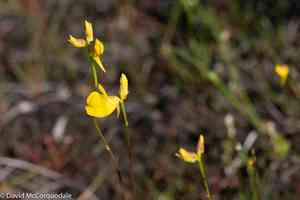
Horned bladderwort (Utricularia cornuta)
Also known as: Horned Bladderwort
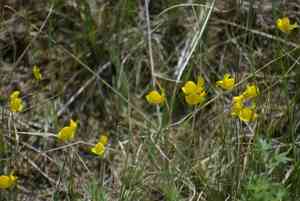
The horned bladderwort (Utricularia cornuta) is a perennial carnivorous plant notable for its summer blooms of small yellow flowers that resemble snap-dragon blossoms. Its name is derived from its specialized bladder structures that capture and digest tiny insects. This plant is typically found in wetlands and bogs stretching from Minnesota to Texas.
In This Article
Attributes of Horned bladderwort
Lifespan
Perennial, Annual
Plant Type
Herb
Plant Height
5 cm to 30 cm
Spread
N/A for aquatic plants
Leaf Color
Green
Flower Size
0.5 to 1 cm
Flower Color
Yellow
Images of Horned bladderwort
Quickly Identify Horned bladderwort
1
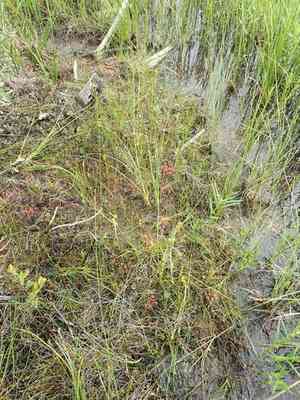
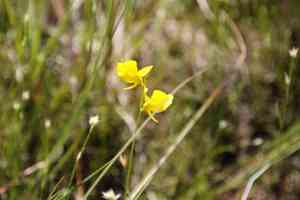
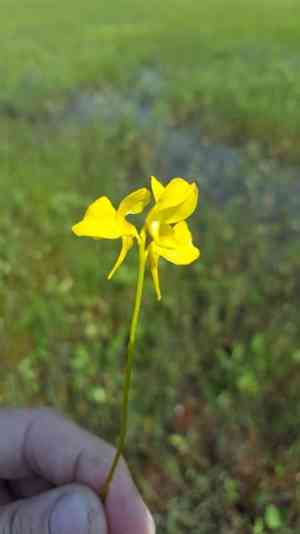
Horned Bladderwort can be identified by its yellow flowers with a horn-like spur and its bladder traps that capture small aquatic organisms.
Scientific Classification of Horned bladderwort
Phylum
Vascular plants
Class
Dicotyledons
Order
Lamiales
Family
Bladderworts
Genus
Bladderworts
Species
Horned bladderwort
Planting and Growing of Horned bladderwort
Care Difficulty
Easy
Watering Schedule
Every 3 days
Sunlight Requirements
Partial sun
Sunshine Duration
6-12 hours
Ideal Temperature
60-75℉
Soil Type
Potting Mix, Peat Mix
Soil pH
4.5-7
Fertilizer Type
Balanced
Pruning Season
Spring, Summer
Pruning Area
Branches, Leaves
Pruning Frequency
2 times a year
Repotting Season
Spring
Pot Type
Plastic, Ceramic
 How to Water Horned bladderwort?
Utricularia cornuta prefers consistently moist conditions; therefore, it's crucial to ensure the soil is always damp but not waterlogged. Each watering should provide about 200 ml of water, allowing moisture to reach the root zone without creating standing water.
What are the symptoms of an underwatered Horned bladderwort?
›
What should I do if my Horned bladderwort is not getting enough water?
›
What are the symptoms of an overwatered Horned bladderwort?
›
How to save an overwatered Horned bladderwort?
›
 What Are the Sunlight Requirements for Horned bladderwort?
Utricularia cornuta flourishes in partial sun environments, benefiting from 4-6 hours of light daily. This balance encourages healthy growth, efficient energy use, and vibrant health.
More About Sunlight Requirements Techniques→
Optimal Location
›
Natural Lighting Solutions
›
Effectiveness of Proper Lighting
›
 What Is the Ideal Temperature Range for Horned bladderwort?
Utricularia cornuta thrives best in temperatures ranging from 60°F to 75°F. This range provides the optimal conditions for growth by ensuring the plant receives enough warmth to stimulate photosynthesis while preventing heat-induced stress. Maintaining these temperatures consistently will result in healthier leaves and abundant flowering.
 What Soil is Best for Horned bladderwort?
Utricularia cornuta thrives in wet conditions where moisture is retained. Consistently moist soil mimics its natural environment and supports healthy growth, promoting vibrant blooms. This plant benefits from nutrient-poor soils, as it primarily derives nutrients from trapping small insects. Avoiding rich soils helps maintain its natural predatory instincts. Well-aerated soil is essential for Utricularia cornuta as it prevents root rot. Proper aeration facilitates the oxygen exchange necessary for root respiration, keeping the plant healthy.
 How to Fertilize Horned bladderwort?
For Utricularia cornuta, use a diluted liquid fertilizer at one-quarter strength. This ensures nutrient supply without overwhelming its delicate structure. Over-fertilization can damage this plant, so moderation is key.
 How to Prune Horned bladderwort?
Start by identifying any dead, discolored, or unhealthy leaves. Use sterilized scissors or pruning shears to carefully trim these away, making cuts close to the base without damaging healthy foliage. By removing decayed parts, you promote better airflow and light penetration, fostering overall plant health.
More About Pruning Techniques→
 How to Propagate Horned bladderwort plant?
1
Mix sphagnum moss with sand to create a well-aerated and slightly acidic medium, replicating the plant's natural habitat for optimal germination conditions.
2
Evenly scatter Utricularia cornuta seeds on the soil surface without covering them with soil, as they require light exposure to trigger germination.
3
Keep the soil consistently moist by misting it with water, ensuring that the seeds remain hydrated throughout the germination process.
 How to Repot Horned bladderwort plant?
1
Utricularia cornuta should be repotted when you notice that the plant's growth has slowed or roots are overcrowded. Another signal is if water drains too quickly through the potting medium, indicating that the mix has degraded or compacted. Choose a time at the start of the growing season for the least disruption.
2
Select a shallow pot with adequate drainage holes to accommodate Utricularia cornuta's shallow root system. The pot should be slightly larger than the existing root ball to allow space for growth without overwhelming the roots. This minimizes the risk of waterlogging and promotes healthy root development.
3
Use a soil mix that is sandy, acidic, and nutrient-poor, which mimics the plant's natural bog-like habitat. Avoid rich or fertilized soils as they can cause root rot and inhibit growth. This type of soil allows the plant's unique trapping mechanism to function effectively.



