Enhancing Your Garden Design with the Horned bladderwort Plant: A Landscaping Guide
1
Horned bladderwort flourishes optimally in moist, marshy habitats.
2
Incorporating Horned bladderwort into your garden can greatly boost species variety.
3
Horned bladderwort is recognized for its distinct contribution to preserving ecological equilibrium.
Understanding the Growth Habits of Horned bladderwort
Identifying growth conditions that allow Horned bladderwort to thrive
Knowing the correct growing conditions is essential for successfully integrating Horned bladderwort into your garden. Commonly found in wetlands, Horned bladderwort flourishes in marshy, damp environments. It prefers acidic soil with a pH between 5.0 and 6.5, and it thrives in areas receiving full to partial sun. Ensuring these factors will enable Horned bladderwort to grow vigorously and contribute to a healthy, flourishing garden.
Seasonal growth patterns of Horned bladderwort in various climates
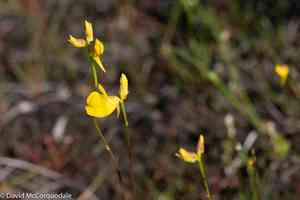
Horned bladderwort displays distinct seasonal growth patterns that can influence your gardening schedule. It typically flowers from late spring to early summer, exhibiting striking yellow blossoms. In colder regions, Horned bladderwort may enter a dormant phase during winter, while in milder areas, it can sustain some vegetative growth. Understanding these cycles will help you better plan for the care and upkeep of Horned bladderwort in your garden.
How Horned bladderwort interacts with other plants and wildlife
Horned bladderwort is a unique plant that engages with its surroundings in fascinating ways. It utilizes bladder-like traps to capture small aquatic prey, aiding in nutrient acquisition. This characteristic makes Horned bladderwort an important plant for managing small insect populations. Additionally, Horned bladderwort provides shelter and resources for specific types of wildlife, enhancing your garden's overall biodiversity.
Benefits of Adding Horned bladderwort to Your Garden
Enhancing biodiversity with Horned bladderwort
A key advantage of incorporating Horned bladderwort into your garden is the boost in biodiversity. Horned bladderwort supports various forms of aquatic life due to its carnivorous nature, thereby establishing a small yet significant ecosystem within your garden. This increased diversity can lead to a more balanced and resilient environment.
Horned bladderwort's role in maintaining ecological balance
Horned bladderwort plays a vital role in maintaining ecological balance within wetland habitats. It helps control insect populations, which can otherwise become pests and harm other plants in your garden. By including Horned bladderwort, you are fostering a natural method to manage these populations, thus promoting a healthier garden ecosystem.
Aesthetic benefits of Horned bladderwort in landscape design
Beyond its ecological contributions, Horned bladderwort adds a unique visual appeal to your landscape design. Its delicate yellow flowers and lush green foliage provide vibrant color and texture, making it an attractive addition to water features, borders, and boggy areas in your garden.
Choosing the Right Location for Horned bladderwort in Your Landscape
Assessing light and soil conditions for optimal placement
Selecting the appropriate location is crucial for the successful growth of Horned bladderwort. It requires ample sunlight, ideally full to partial exposure, and thrives in moist, acidic soil. When planning your landscape, seek out areas that mimic wetland conditions, such as around ponds or artificial bogs, to provide the ideal environment for Horned bladderwort.
Space planning and Horned bladderwort's spreading habits
Horned bladderwort has a moderate spreading habit, forming dense mats over time in suitable conditions. When integrating Horned bladderwort into your landscape, ensure sufficient space for this natural expansion. This planning helps prevent overcrowding and ensures that each plant has enough resources to grow healthily.
Water requirements and managing humidity for Horned bladderwort
Horned bladderwort demands consistent moisture but can suffer from waterlogged conditions if the substrate lacks proper drainage. Keeping the soil consistently damp and ensuring high humidity levels will support the health and growth of Horned bladderwort. Consider using mulch to help retain soil moisture and reduce evaporation.
Maintaining and Monitoring Horned bladderwort in Your Garden
Routine checks for health and growth
Regularly monitoring Horned bladderwort for signs of health and new growth will help maintain its vigor. Look for vibrant green foliage and consistent flowering to ensure the plant is thriving. Promptly address any signs of distress such as yellowing leaves or stunted growth.
Managing pest and disease issues
Though Horned bladderwort helps control insect populations, it may still encounter pest and disease problems. Regularly inspect for common pests such as aphids or fungal infections. Using natural remedies like neem oil or introducing beneficial insects can help manage these issues effectively while keeping your garden ecosystem balanced.
Seasonal upkeep tips for Horned bladderwort
Seasonal maintenance is key for the ongoing health of Horned bladderwort. In colder months, provide protection against freezing conditions, perhaps by adding a layer of mulch. As temperatures rise in spring, clear away debris to encourage new growth. Consistent seasonal care ensures that Horned bladderwort remains a vibrant part of your landscape year-round.
Creative Landscaping Ideas with Horned bladderwort
Incorporating Horned bladderwort in water features
Horned bladderwort is a perfect addition to water features such as ponds and water gardens. Its natural preference for wet environments makes it an excellent choice for marginal areas and shallow water zones, where it can contribute both beauty and ecological benefits.
Designing pathways and borders using Horned bladderwort
Use Horned bladderwort to enhance the visual appeal of garden pathways and borders. By planting it along the edges, you can create a lush, green fringe that brings a naturalistic touch to your garden design. Its vibrant flowers can also act as accents that draw the eye and guide visitors through your landscape.
Combining Horned bladderwort with other plants for visual impact
Horned bladderwort can be effectively combined with other moisture-loving plants to create visually stunning arrangements. Partner it with tall grasses, irises, or ferns to create a dynamic, multi-layered garden bed that offers contrasting textures and heights, making your garden more engaging and diverse.



