How to Prune Annual thymelaea?
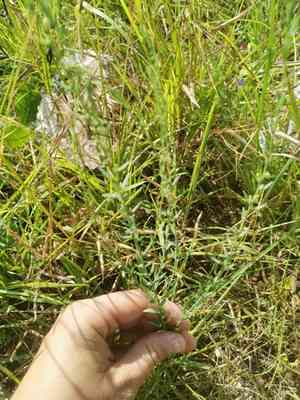
This compact, fibrous shrub benefits from gentle trimming to preserve its form and stimulate denser development. Trim annual thymelaea during spring, summer, or autumn, shortening elongated stems and eliminating any lifeless or ailing wood. Occasional thinning can improve air circulation and light exposure, fostering more robust growth. Avoid drastic cuts to prevent imposing strain on annual thymelaea. Trimming not only revitalizes growth but also contributes to a more visually appealing structure.
Advantages of Trimming Annual Thymelaea
Advantages of Trimming Annual Thymelaea
Trimming annual thymelaea promotes vigorous development and maintains its intended form. Strategic cuts aid in the efficient distribution of resources, resulting in a more robust and aesthetically pleasing plant.
Optimal Time for Pruning Annual Thymelaea
Optimal Time for Pruning Annual Thymelaea
Spring pruning is ideal for annual thymelaea as it coincides with the start of its growth cycle, invigorating the plant and supporting new development. Early Summer trimming can be beneficial for shaping annual thymelaea, as the plant is actively growing during this period. Autumn pruning, after flowering, allows annual thymelaea to conserve energy for its dormant winter phase and can assist in removing any dead or diseased parts, preventing the spread of pests and illnesses.
Required Tools for Pruning Annual Thymelaea
Bypass Pruners
Perfect for making precise cuts on annual thymelaea without crushing its stems, bypass pruners are vital for their clean action, which is essential for maintaining plant health and preventing disease.
Gardening Shears
Also known as hand pruners, these are useful for shaping annual thymelaea and for cutting back smaller stems and foliage with minimal effort. Ensure they have a comfortable grip and are sharp enough for clean cuts.
Gloves
Protective gloves are necessary to shield your hands from thorns and sap while pruning annual thymelaea.
Sharp Scissors
For thin, delicate stems of young annual thymelaea seedlings, sharp scissors can provide the necessary precision without causing unnecessary damage to the plant.
How to Prune Annual Thymelaea
Cleaning tools
Sanitize your pruning shears with rubbing alcohol or a bleach solution to prevent the spread of disease when trimming annual thymelaea.
Cut location
Identify withered leaves on annual thymelaea ensuring you're targeting only the dead or dying foliage without cutting into healthy tissue.
Cutting technique
Snip the withered leaves at the base where they meet the stem, making clean cuts to avoid tearing which can make annual thymelaea more susceptible to disease.
Disposal
Carefully remove and dispose of the withered leaves to prevent any potential disease from affecting the rest of annual thymelaea or nearby plants.
Monitor plant
Regularly monitor annual thymelaea after pruning for signs of new growth or any stress, to ensure it recovers well from the trimming process.
Common Pruning Mistakes with Annual Thymelaea
Overpruning
Removing too much foliage at once, which can stress annual thymelaea and lead to poor growth or reduced vigor.
Blunt tools
Using dull or dirty pruning tools, which can cause jagged cuts that are more prone to disease and pest infestation.
Improper cut angle
Making cuts at incorrect angles can hinder the healing process and may lead to water accumulation, promoting rot.
Neglecting diseased material
Failing to remove diseased or dead material, which can harbor pests and diseases, potentially affecting the health of annual thymelaea.
Tearing stems
Pruning without care, leading to tearing or damaging the stems, which can cause unnecessary harm to annual thymelaea.
Common Pruning Tips for Annual Thymelaea
Sharp clean tools
Use sharp, clean pruning tools to make clean cuts that heal quickly, minimizing the risk of disease in annual thymelaea.
Identify growth pattern
Understand the growth pattern of annual thymelaea in order to prune selectively and maintain the desired shape and size.
Thinning crowded areas
Thin out crowded areas to improve air circulation and light penetration, which is crucial for the overall health of annual thymelaea.
Follow natural shape
Prune annual thymelaea by following its natural shape, rather than imposing an unnatural form, to encourage a more robust specimen.
Disinfect pruners
Disinfect your pruning tools between cuts when dealing with diseased material to prevent spreading pathogens to healthy areas of annual thymelaea.
Prompt healing
Make pruning cuts just above a bud or branching point to prompt quick healing and limit exposure to pathogens.



