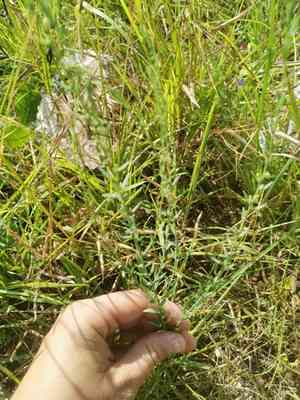
Annual thymelaea (Thymelaea passerina)
Also known as: Spreading Spurge Flax, Passerine Thymelaea
Annual thymelaea (Thymelaea passerina) is a herbaceous plant prevalent in temperate and Mediterranean regions across Europe, Asia, and North Africa. It typically thrives in dry, sandy, or rocky soils and is commonly found in disturbed areas such as roadsides and fallow fields. The plant is known for its small, greenish-yellow flowers and slender stems. The species name, "passerina," refers to the resemblance of its black fruit to a sparrow's beak.
In This Article
Attributes of Annual thymelaea
Lifespan
Annual
Plant Type
Herb
Plant Height
25 cm
Spread
N/A (typically does not have a defined crown)
Leaf Color
Green
Flower Size
Approximately 2-3 mm
Flower Color
Yellow Green
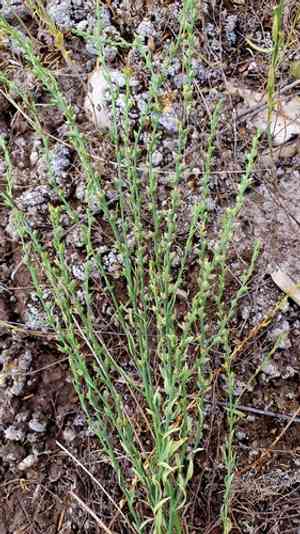
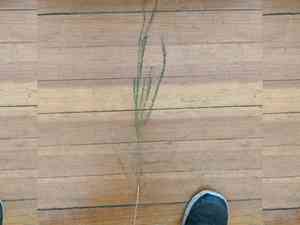
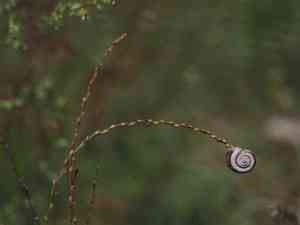
Images of Annual thymelaea
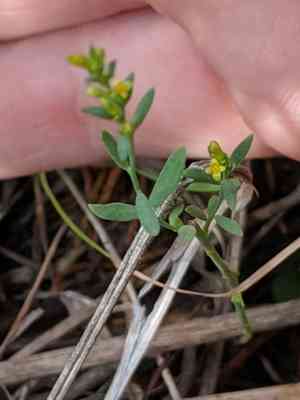
Quickly Identify Annual thymelaea
1
Identify Thymelaea passerina by its thin, wiry stems, small linear leaves, and tiny, greenish-yellow flowers. It often forms a low, spreading mat.
Scientific Classification of Annual thymelaea
Phylum
Vascular plants
Class
Dicotyledons
Order
Malvales
Family
Mezereum
Genus
Sparrow-worts
Species
Annual thymelaea
Planting and Growing of Annual thymelaea
Care Difficulty
Moderate
Watering Schedule
Every 2 days
Sunlight Requirements
Full sun
Sunshine Duration
4-6 hours
Ideal Temperature
60-75℉
Soil Type
Potting Mix, Peat Mix
Soil pH
6.5-7.5
Fertilizer Type
Balanced
Pruning Season
Spring, Summer
Pruning Area
Branches, Leaves
Pruning Frequency
Once a year
Repotting Season
Spring
Pot Type
Plastic, Ceramic
 How to Water Annual thymelaea?
Thymelaea passerina prefers a balanced approach to watering. The soil should be allowed to dry out slightly between waterings. Ideally, water until the top 2-3 centimeters of the soil are damp but not soggy. This allows for the roots to absorb necessary moisture without drowning.
What are the symptoms of an underwatered Annual thymelaea?
›
What should I do if my Annual thymelaea is not getting enough water?
›
What are the symptoms of an overwatered Annual thymelaea?
›
How to save an overwatered Annual thymelaea?
›
 What Are the Sunlight Requirements for Annual thymelaea?
Thymelaea passerina thrives best with partial to full sun exposure, around 4-6 hours of sunlight daily. Reliable lighting supports vigorous growth, enhances flowering, and ensures better resilience against environmental stresses.
Optimal Light Intensity
›
Location Choice
›
Seasons Consideration
›
 What Is the Ideal Temperature Range for Annual thymelaea?
The ideal temperature for Thymelaea passerina is between 60 to 75 degrees Fahrenheit. Within this range, the plant experiences optimal growth and health. This moderate range mimics the natural habitat of Thymelaea passerina, providing the necessary warmth for photosynthesis while avoiding stress from extreme temperatures.
 What Soil is Best for Annual thymelaea?
Thymelaea passerina thrives in well-draining soil that prevents water from pooling around its roots. This feature helps prevent root rot, a common issue in poorly drained soils, ensuring healthy growth and longevity for the plant. While Thymelaea passerina does not require overly rich soil, a moderate level of nutrients supports its growth cycle. A balanced nutrient profile will ensure the plant has access to the essentials without over-fertilization risks. Thymelaea passerina prefers soils that are neutral to slightly alkaline, with a pH ranging from 6.5 to 7.5. This pH range allows optimal absorption of nutrients, fostering robust plant development.
 How to Fertilize Annual thymelaea?
For Thymelaea passerina, it is important to use fertilizer sparingly as it thrives in low-nutrient environments. Use a diluted liquid fertilizer at half strength, about 1 tablespoon per gallon of water. When using granular fertilizers, apply sparingly around the base of the plant, approximately 1 teaspoon per plant.
 How to Prune Annual thymelaea?
Begin pruning by cutting away any dead or damaged branches. This not only aids in preventing disease spread but also helps you see the plant's natural form, making it easier to shape effectively. Trim the plant back to maintain a compact and tidy shape. Focus on cutting back overgrown stems while ensuring that the plant retains an open center. This encourages new growth and ensures sunlight penetrates all parts of the plant. After shaping, look for areas where you can cut stems just above a leaf node. This practice encourages bushier growth as the plant diverts energy to the new shoots, enhancing overall plant fullness and vigor.
More About Pruning Techniques→
 How to Propagate Annual thymelaea plant?
1
Ensure that the seed tray is filled with a well-draining potting mix. The medium should be slightly moist but not waterlogged, providing the ideal environment for germination.
2
Scatter the Thymelaea passerina seeds evenly over the seed tray, lightly pressing them into the surface of the soil. Cover them with a thin layer of soil to protect them from being washed away.
3
Select a healthy plant and use a sharp knife to take cuttings from mature roots. Each cutting should be about 5-10 cm in length to ensure it has enough stored energy to sprout.
 How to Repot Annual thymelaea plant?
1
Thymelaea passerina should be repotted when you notice the roots are coming out of the drainage holes or the plant seems root-bound. If the soil dries out too quickly or the plant stops growing, it's a clear indication that repotting is necessary to provide more space and fresh nutrients.
2
Select a pot that is one size larger than the current one, ensuring adequate drainage holes to prevent waterlogging. A slightly wider pot encourages healthy root spread and prevents the plant from tipping over, promoting robust growth. Opt for a durable material like terracotta for its breathability.
3
Opt for a well-draining sandy soil mixture ideal for Thymelaea passerina. This soil type mimics its natural habitat and prevents root rot by allowing excess water to drain efficiently. Adding organic matter can enhance nutrition and support vigorous growth.
Toxicity
Ingestion
WARNING
The judgment on toxicity and danger is for reference only. We DO NOT GUARANTEE any accuracy of such judgment. Therefore, you SHALL NOT rely on such judgment. It is IMPORTANT TO SEEK PROFESSIONAL ADVICE in advance when necessary.
Learn More About Annual thymelaea Diseases
Anthracnose
Bacterial Leaf Spot
Bacterial Soft Rot
Crown Gall
Damping-off
Downy Mildew
Drought Stress
Fusarium Wilt
Gray Mold
Leaf Curl
Leaf Spot
Mosaic
Nutrient Deficiency
Nutrient Toxicity
Powdery Mildew
Root Rot
Root-knot Nematode
Rusts
Sooty Mold
Spider Mites
Temperature Stress
Thrips Damage
White Mold



