The Annual thymelaea Plant Advantage: Maximizing Home and Office Appeal and Wellness
1
Annual thymelaea is recognized for its capacity to flourish in arid and stony ground.
2
This flora has a history of application in diverse customary uses.
3
Annual thymelaea offers environmental advantages through aiding indigenous fauna.
What is Annual thymelaea?
Origin and Habitat
Annual thymelaea primarily flourishes in Mediterranean environments, preferring arid and stony ground. This robust plant is highly adaptable, making it a valuable addition to gardens in dry regions. Its resistance to drought conditions makes it a favored option for xeriscaping, a landscaping approach that minimizes irrigation needs.
Physical Characteristics
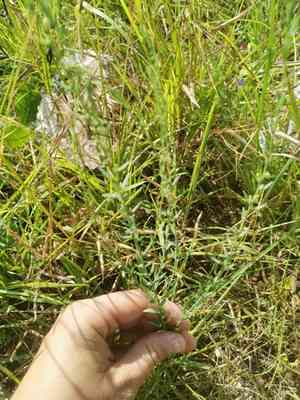
Annual thymelaea exhibits slender stems and small, needle-like leaves, which contribute to its graceful appearance. The plant produces tiny, subtle flowers that bloom during warmer months. Though understated, these blossoms attract various pollinators, playing a vital role in sustaining local biodiversity.
Why Should You Grow Annual thymelaea in Your Garden?
Low Maintenance Requirements
Annual thymelaea is a plant that demands little upkeep, requiring minimal intervention once established. Its inherent resistance to pests and diseases further reduces the need for chemical treatments, making it an environmentally friendly choice for gardeners aiming to lessen their ecological footprint.
Soil Improvement
This plant enhances soil health by preventing erosion and retaining moisture. Its root system stabilizes the ground, making it perfect for planting in areas prone to erosion. Furthermore, Annual thymelaea can improve soil structure and fertility over time, benefiting other garden plants.
How Does Annual thymelaea Benefit Local Wildlife?
Support for Pollinators
The blooms of Annual thymelaea attract a diverse range of pollinators, including bees and butterflies. These insects are crucial to the ecosystem by aiding the reproduction of numerous plant species. By cultivating Annual thymelaea in your garden, you can establish a habitat that supports these valuable organisms.
Shelter and Food for Fauna
Beyond pollinators, Annual thymelaea offers refuge and food sources for various animal species. Birds and small mammals may utilize the plant as cover from predators or harsh weather. The seeds and foliage also provide nutritional value to certain wildlife.
Historical Uses and Cultural Significance
Traditional Practices
Annual thymelaea has been employed in traditional customs for centuries, especially in Mediterranean cultures. Its applications range from ceremonial purposes to everyday practical uses. While modern uses may differ, understanding the historical context of Annual thymelaea provides a richer appreciation for its worth.
Cultural Impact
In many areas, Annual thymelaea holds cultural significance that goes beyond its practical applications. It often symbolizes resilience and adaptability, qualities admired in many societies. By growing Annual thymelaea, individuals can connect with cultural heritage and celebrate the enduring benefits this plant offers.
How Can You Incorporate Annual thymelaea Into Your Garden?
Planting Tips
To successfully cultivate Annual thymelaea, choose a sunny spot with well-draining soil. Avoid excessive watering, as this plant is adapted to dry conditions. Consider integrating Annual thymelaea into rock gardens or xeriscaped areas where its drought tolerance will be most advantageous.
Companion Planting
Annual thymelaea pairs well with other drought-tolerant plants such as lavender, rosemary, and sage. These plants not only share similar water requirements but also complement each other visually. By grouping drought-resistant plants together, you can create a harmonious and sustainable garden design.



