How to Prune Syringa persica?
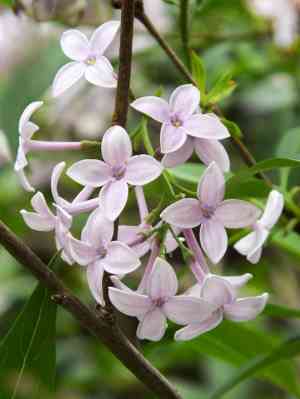
This leaf-shedding bush, celebrated for its aromatic violet blossoms and elegant limbs, flourishes with appropriate upkeep. Essential trimming methods involve reducing dense stalks and eliminating aged or lifeless timber to foster revitalization. The optimal period for pruning persian lilac is in late winter or early spring, prior to the emergence of fresh shoots. Trimming during this timeframe optimizes floral output and sustains an attractive form. Pruning not only incites new development but also improves the plant's well-being and aesthetic by averting ailments.
Advantages of Trimming Persian Lilac
Advantages of Trimming Persian Lilac
Trimming persian lilac fosters robust development and aids in maintaining a desired form. It promotes the growth of strong branches and abundant flowers by eliminating dead or congested stems, thereby enhancing air circulation and light penetration.
Optimal Period for Trimming Persian Lilac
Optimal Period for Trimming Persian Lilac
Trimming persian lilac in late winter or early spring is ideal since the plant remains dormant before the active growth phase. This timing allows gardeners to shape persian lilac without risking harm to new growth. By removing dead or diseased branches at this stage, persian lilac can conserve energy and direct it towards healthy development and blooming. Furthermore, pruning before the spring growth spurt can help prevent the likelihood of disease and pest infestation that can occur on fresh cuts during warmer weather. Trimming persian lilac after flowering minimizes the loss of the current year's blooms, as it blooms on old wood, and ensures the energy is used for the development of the next season's buds.
Necessary Tools for Trimming Persian Lilac
Hand pruners
Perfect for cutting branches up to 1/2 inch in diameter during routine maintenance of persian lilac, as they are precise and cause minimal harm to the plant tissue.
Lopping shears
Best for severing thicker branches up to 1 1/2 inches in thickness, as persian lilac can develop such growth, especially with mature specimens, providing the leverage needed for clean cuts.
Pruning saw
Essential for branches exceeding 1 1/2 inches, as persian lilac might occasionally produce such growth, ensuring cuts are clean and do not tear the plant tissue which could harm persian lilac.
Hedge shears
Useful for shaping persian lilac if a formal hedge appearance is desired, allowing for even and aesthetically pleasing cuts across multiple branches at once.
Gloves
Protection for the gardener's hands from thorns or rough bark when handling persian lilac.
Cleaning solution
Used for sanitizing pruning tools between cuts to prevent the spread of disease within or to other plants, which is vital for the health of persian lilac.
How to Trim Persian Lilac
Sanitize Tools
Before beginning, thoroughly clean and sanitize all pruning tools to prevent the spread of disease to persian lilac.
Remove Diseased And Dead Material
Cut away all diseased leaves and branches, as well as any withered leaves and dead wood, to improve the overall health and appearance of persian lilac. Make sure to cut back to healthy tissue to ensure proper healing.
Thin The Interior
Thin the interior of persian lilac by removing some of the oldest stems at the base to encourage air circulation and light penetration, which can reduce the likelihood of disease.
Shape The Plant
Shape persian lilac by selectively pruning overgrown areas. Aim to maintain a balanced, natural shape, taking care not to over-prune as this can lead to fewer blooms.
Clean Up
Gather and remove all the cuttings from around persian lilac to avoid the potential for harboring pests or diseases, and to keep the area tidy.
Common Trimming Errors with Persian Lilac
Over-Pruning
Removing too much foliage at once can stress persian lilac, potentially leading to growth problems or reduced flowering.
Improper Cuts
Incorrectly made cuts can damage persian lilac, make the plant susceptible to diseases and pests, and hinder proper healing.
Not Disinfecting Tools
Failing to disinfect pruning tools can spread disease between plants, possibly leading to infections in persian lilac.
Neglecting Deadheading
Forgetting to remove spent blooms can reduce the number of new flowers, as persian lilac may invest energy into seed production rather than new blooms.
Pruning For Shape Early
Starting to shape persian lilac too early may inhibit its natural growth and flowering patterns.
Common Trimming Advice for Persian Lilac
Sharp Tools
Using sharp, clean pruning shears will ensure clean cuts that heal quickly, preventing undue stress on persian lilac.
3 D'S
Always remove the three D's - dead, damaged, or diseased wood - to maintain the health and appearance of persian lilac.
Angled Cuts
Make angled cuts above buds to encourage water to run off the cut surface, which reduces the risk of disease in persian lilac.
Gradual Shaping
For shaping persian lilac, remove branches incrementally over several seasons to avoid excessive stress and encourage robust growth.
Deadheading
Regularly deadhead spent flowers to encourage persian lilac to produce more blooms throughout the flowering season.



