Enhancing Your Garden Design with the Syringa persica Plant: A Landscaping Guide
1
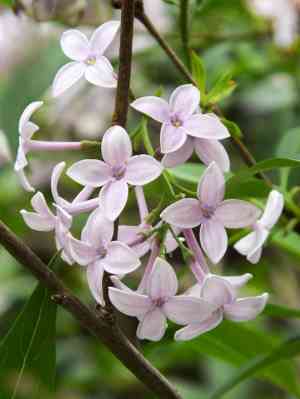
Persian lilac displays beautiful purple and lavender flowers that greatly improve the aesthetic appeal of any garden.
2
Correct positioning of Persian lilac necessitates attention to light exposure and shade for optimal development.
3
Yearly maintenance, such as adequate hydration and trimming, is crucial for Persian lilac to flourish continuously.
Appreciating the Aesthetic Qualities of Persian Lilac
Striking flower hues: Shades of purple and lavender
Persian lilac is highly valued for its vivid and captivating blossoms. The flowers, appearing in various purples and lavenders, can introduce a delightful burst of color to your garden. These blooms are not only visually appealing but also emit a pleasant scent, making them a preferred option for many home landscapes. When planning your garden, consider positioning Persian lilac where you and your guests can fully enjoy its beauty and fragrance.
Seasonal foliage: Changes throughout the year
The leaves of Persian lilac offer continuous appeal as they transform with each season. During spring and summer, the plant is adorned with rich green leaves that complement its flowers. As autumn approaches, the foliage may shift to a yellowish tint, adding another layer of visual interest. Understanding how Persian lilac evolves through the seasons will help you appreciate the dynamism it brings to your landscape, ensuring it remains a focal point year-round.
Size and growth habits: An overview
Persian lilac typically develops into a medium-sized shrub, reaching heights of 5 to 8 feet. Its growth habit is relatively dense, making it suitable for both small and large gardens. Knowing the typical dimensions and spread of Persian lilac will assist you in planning its placement so it can achieve its full potential without crowding other plants. Its manageable growth also means it's simpler to maintain and shape through regular trimming.
Selecting the Ideal Location for Persian Lilac in Your Landscape
Considerations for sun exposure and shade
Persian lilac thrives best in full sunlight but can tolerate partial shade. Ideally, choose a spot in your garden that receives at least 6 hours of direct sun daily. This amount of light will help ensure abundant flowering and vigorous growth. However, in warmer climates, providing some afternoon shade can shield the plant from excessive exposure and stress. Always observe your garden's light patterns before deciding on the perfect spot for Persian lilac.
Harmonizing with other plants: Creating a balanced design
To achieve a cohesive and attractive garden layout, it's crucial to integrate Persian lilac with other plants. Consider pairing it with perennials or annuals that complement its color and size. For instance, plants with contrasting leaf colors or textures can further enhance Persian lilac's beauty. Additionally, think about the bloom times of your garden plants to ensure there is always something in flower, providing continuous interest throughout the year.
Complementary Elements to Enhance Persian Lilac's Beauty
Decorative mulches and ground coverings: Providing contrast
Utilizing decorative mulch or ground covers around the base of Persian lilac not only helps retain moisture and suppress weeds but also creates a contrasting backdrop that accentuates the plant's vivid blooms. Consider organic mulches like bark or wood chips for a natural look, or use colored stones or gravel for a more contemporary aesthetic. The choice of mulch can influence the overall appearance and health of Persian lilac, so select materials that align with your garden's style and requirements.
Compatible plant species: Companions for Persian lilac
Certain plants make excellent partners for Persian lilac. For example, bulbs such as tulips or daffodils can be planted around the base of Persian lilac to offer early spring color before Persian lilac begins to bloom. Other suitable companions include roses and hydrangeas, which can complement the height and structure of Persian lilac. The key is to choose plants that flourish under similar growing conditions and provide a continuous display of color and texture.
Garden accessories and decorations: Framing Persian lilac
Enhancing Persian lilac's beauty can also be achieved by incorporating garden accessories and decorations. Consider placing a decorative bench nearby to create a relaxing spot from which to enjoy the view. Birdbaths, sculptures, or trellises can also add interest and draw attention to your Persian lilac. These elements should be positioned thoughtfully to frame your plant and integrate seamlessly into your overall landscape design, creating a harmonious and inviting garden area.
Seasonal Care Guidelines to Keep Persian Lilac Thriving
Watering requirements across seasons
Appropriate watering is vital for the well-being of Persian lilac. During the growing season, ensure the plant receives consistent moisture, especially during dry periods. However, avoid excessive watering, as this can lead to root rot. In the winter months, reduce watering frequency as the plant's growth slows. Mulching around the base can help retain soil moisture and offer some insulation during colder weather.
Pruning methods: Best practices
Pruning is a crucial aspect of Persian lilac's care. To encourage healthy growth and improve air circulation, prune Persian lilac after it finishes flowering. Remove any dead or crossing branches and shape the plant to maintain a neat appearance. Regular pruning can also stimulate more abundant blooming in the subsequent season. Always use clean, sharp tools to prevent damage and disease.



