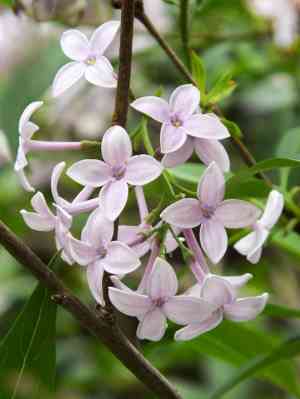
Syringa persica (Syringa persica)
Also known as: Persian Lilac
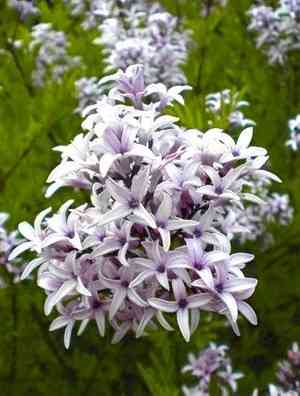
Syringa persica, commonly known as the Persian lilac, is a deciduous shrub known for its fragrant, purple to white flowers that bloom in spring. It typically grows to about 2-3 meters in height and is appreciated for its aesthetic appeal and sweet scent.
In This Article
Attributes of Syringa persica
Lifespan
Perennial shrub
Plant Height
2 meters
Spread
1.5-2 meters
Leaf Color
Green
Flower Size
2 cm
Flower Color
Purple
Images of Syringa persica
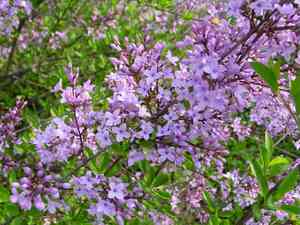
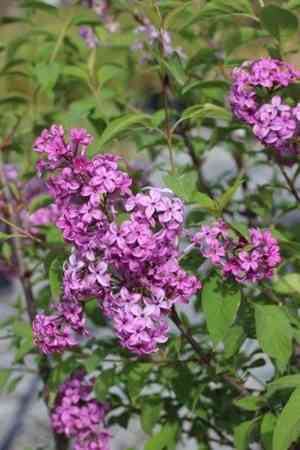
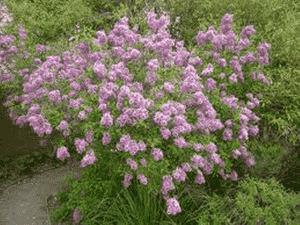
Quickly Identify Syringa persica
1
The Persian lilac can be identified by its multi-stemmed growth habit, lanceolate leaves that are slightly serrated, and clusters of small, tubular flowers. The flowers are usually lilac-purple but can range to white.
Scientific Classification of Syringa persica
Phylum
Magnoliophyta
Class
Magnoliopsida
Order
Lamiales
Family
Oleaceae
Genus
Syringa
Planting and Growing of Syringa persica
Care Difficulty
Easy
Watering Schedule
Every 4 days
Sunlight Requirements
Full sun
Sunshine Duration
4-6 hours
Ideal Temperature
55-77℉
Soil Type
Potting Mix, Peat Mix
Soil pH
6.5-7.5
Fertilizer Type
Balanced
Pruning Season
Spring, Summer
Pruning Area
Branches, Leaves
Pruning Frequency
2 times a year
Repotting Season
Spring
Pot Type
Plastic, Ceramic
 How to Water Syringa persica?
When watering Syringa persica, follow the principle of deep and thorough watering. This means ensuring that the water reaches the plant's root zone, promoting healthy growth. It usually takes about 1000 milliliters to reach this depth, depending on soil conditions. Water until the soil feels evenly moist without any standing water, which indicates adequate watering.
What are the symptoms of an underwatered Syringa persica?
›
What should I do if my Syringa persica is not getting enough water?
›
What are the symptoms of an overwatered Syringa persica?
›
How to save an overwatered Syringa persica?
›
 What Are the Sunlight Requirements for Syringa persica?
Syringa persica thrives in partial to full sun, ideally receiving 6-8 hours of sunlight daily. This light range is vital for robust growth and abundant flowering, enhancing its ornamental value.
Optimal Sunlight Hours
›
Positioning for Ideal Exposure
›
Benefits of Adequate Sunlight
›
 What Is the Ideal Temperature Range for Syringa persica?
The ideal temperature for cultivating Syringa persica ranges from 55 to 77°F. This temperature range is optimal for promoting healthy growth and preventing stress on the plant. At these temperatures, the plant is able to efficiently perform photosynthesis and maintain its metabolic processes. Occasional temperature fluctuations within this range are generally tolerable, provided they are not sudden or extreme.
 What Soil is Best for Syringa persica?
Syringa persica thrives best in well-drained soils. Proper drainage ensures that the plant doesn't suffer from waterlogging, which can lead to root rot and hinder growth. It allows the roots to breathe and grow healthily. Enriching the soil with organic matter or compost ensures it has the nutrients needed for vigorous growth and abundant flowering. It not only improves soil structure but also enhances moisture retention beneficial to the plant. Maintaining moderate moisture levels in the soil is essential for Syringa persica. Properly balanced moisture prevents stress conditions for the plant, promoting lush foliage and vibrant blooms.
 How to Fertilize Syringa persica?
For Syringa persica, the fertilizer amount should be carefully measured to avoid over-fertilizing. Use about 1/2 cup of balanced, slow-release granular fertilizer per plant in early spring. For liquid fertilizer, dilute the solution to half strength and use only as needed.
 How to Prune Syringa persica?
Prune your Syringa persica immediately after blooming in late spring to early summer. This timing ensures you will not remove the buds that will produce next year's flowers. It promotes more vigorous growth and abundant blooms in the future. Start by removing any dead, damaged, or weak branches. This cleanup allows the plant to direct energy towards healthy growth and prevents disease spread. Using clean, sharp tools is essential to avoid damaging the plant. Thin out the center of the plant by cutting some stems to ground level. This action increases airflow and sunlight penetration, reducing disease risk and fostering a more open, attractive shape.
More About Pruning Techniques→
 How to Propagate Syringa persica plant?
1
Select healthy and mature stems for cuttings, preferably without flowers, and make cuts just below a node. Ensure each cutting is about 6 to 8 inches long.
2
Use a well-drained potting mix or a combination of sand and peat. This environment will help the cuttings retain moisture while also providing excellent drainage to prevent rot.
3
Dip the cut end of the cutting into rooting hormone, plant it in the prepared soil, and water thoroughly. Keep the cuttings in a warm, humid environment to encourage root development.
 How to Repot Syringa persica plant?
1
Syringa persica should be repotted when its roots become crowded or when the soil no longer retains moisture properly. Signs include reduced growth, roots coming out of the pot, or water pooling on the surface. Ideally, repot during periods of active growth in spring or autumn for best results.
2
Select a pot that is just one size larger than the current one to prevent overwatering and allow for gradual root growth. Ensure it has adequate drainage holes to facilitate excess water flow, which is crucial for maintaining healthy roots and preventing root rot.
3
Opt for a well-draining potting mix specifically formulated for conifers or ornamentals. This type of soil supports optimal aeration around the roots, prevents waterlogging, and provides essential nutrients, ensuring healthy growth and vibrant blooms.



