The Syringa persica Plant Advantage: Maximizing Home and Office Appeal and Wellness
1
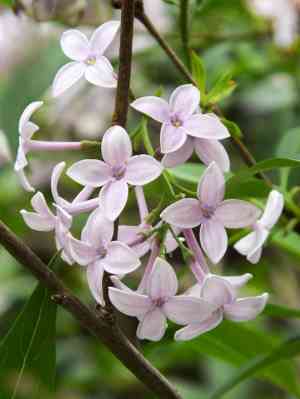
Perfect for decorative gardens because of its bright and aromatic blooms.
2
Good at drawing in beneficial insects such as bees and butterflies.
3
Easy to care for, showing great resilience against pests and illnesses.
Why Opt for Persian Lilac in Your Garden?
Visual Appeal
Persian lilac is celebrated for its stunning, aromatic blossoms that appear in various hues. These flowers not only introduce vibrant color to your garden but also release a delightful fragrance, elevating the overall atmosphere. Its attractive foliage and compact form make it ideal for decorative uses, whether in flowerbeds, borders, or as solitary specimens.
Attracts Beneficial Insects
A notable advantage of Persian lilac is its capacity to draw in helpful pollinators like bees, butterflies, and hummingbirds. These pollinators are vital for maintaining garden health by assisting in the fertilization of other plants. Growing Persian lilac can foster a flourishing ecosystem, promoting biodiversity and a healthier environment.
How Persian Lilac Supports a Low-Effort Garden
High Durability
Persian lilac is recognized for its exceptional resistance to various environmental stresses, including pests and diseases. This makes it an excellent choice for gardeners who prefer plants requiring minimal upkeep. Its ability to endure harsh conditions without constant attention ensures your garden stays vibrant and healthy with little effort.
Drought Resistance
In areas prone to dry periods, Persian lilac proves to be a superb addition to your garden. Its drought tolerance means it can thrive with minimal watering, making it a sustainable option for water-conscious gardeners. This characteristic not only conserves water but also reduces your gardening tasks, freeing up time for other pursuits.
The Ecological Advantages of Persian Lilac
Soil Erosion Prevention
Another significant benefit of Persian lilac is its capacity to prevent soil erosion. The plant's strong root system helps secure the soil, lessening the chance of erosion caused by wind and rain. This is especially useful in areas with steep inclines or loose soil, where erosion can be an ongoing issue.
Enhances Soil Quality
Persian lilac can also contribute to improving soil health. The decomposition of its fallen leaves adds organic matter to the soil, boosting its fertility and structure. This natural process can enrich the soil with essential nutrients, encouraging the healthy growth of other plants in your garden.
Creative Applications of Persian Lilac in Landscaping
Hedge and Barrier Creation
Beyond its decorative value, Persian lilac can be effectively utilized for practical purposes such as forming hedges and barriers. Its dense foliage and moderate height make it an excellent natural screen, offering privacy and defining garden areas. Additionally, Persian lilac hedges can act as windbreaks, shielding other plants from the damaging effects of strong winds.
Garden Accents and Themes
Incorporating Persian lilac as garden accents or within themed gardens can bring a unique charm to your outdoor space. Use it to frame garden entrances, line pathways, or as a focal point in a flower bed. Its adaptability allows for various imaginative applications, enhancing the visual appeal and distinctiveness of your garden's design.
Year-Round Care for Persian Lilac
Planting and Soil Needs
Planting Persian lilac in well-drained soil rich in organic matter is crucial for its successful development. Select a sunny spot to ensure the plant receives ample sunlight, which is vital for abundant flowering. If your garden soil isn't naturally fertile, consider amending it with compost or well-rotted manure to improve its quality.
Pruning and Upkeep Advice
Regular pruning is essential to maintain the shape and vitality of Persian lilac. Trim back any dead or diseased branches after the blooming season to stimulate new growth. Light shaping can also help maintain the desired form and encourage more prolific flowering in the subsequent season. Applying mulch around the base can retain moisture and suppress weeds, contributing to the plant's overall well-being.



