How to Prune Greene's mountain ash?
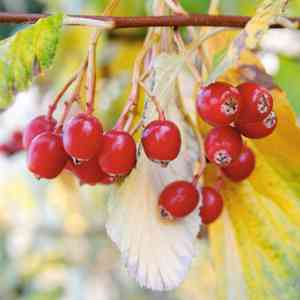
Recognized for its groupings of white blossoms and crimson fruit, greene's mountain ash thrives with trimming to preserve its form and stimulate development. The most effective time for pruning is in late winter or early spring, prior to the commencement of new growth. Essential methods involve reducing dense branches and removing any impaired or ailing limbs. Pruning facilitates improved light exposure and air circulation, which can deter ailments and foster a greater profusion of flowers. Accuracy and appropriate timing are vital for the well-being and visual appeal of this plant.
What Are the Benefits of Pruning Greene's Mountain Ash?
What Are the Benefits of Pruning Greene's Mountain Ash?
Trimming greene's mountain ash encourages robust development by eliminating dead or diseased wood, improving air movement, and allowing more sunlight to reach inner branches. It also preserves the desired form and size, enhancing the plant's visual appeal.
What Is the Best Time for Pruning Greene's Mountain Ash?
What Is the Best Time for Pruning Greene's Mountain Ash?
Pruning greene's mountain ash in late winter or early spring is optimal because this timing allows for quick wound recovery before new growth begins. In late winter, the plant is dormant, which minimizes stress and lowers the risk of disease infection at cut sites. Early spring pruning should occur before sap flow starts, to avoid weakening the plant. Additionally, since greene's mountain ash blooms on old wood, pruning after flowering could remove developing fruit. Pruning in late winter ensures that blossoms and subsequent fruit production are not negatively impacted. Regular pruning during these recommended seasons helps maintain the plant's shape, promotes healthy growth, and enhances fruiting.
What Tools Do I Need to Prune Greene's Mountain Ash?
Hand Pruners
Hand pruners, also known as secateurs, are crucial for greene's mountain ash to cut through small branches and twigs with clean, precise cuts, which helps prevent disease. Choose bypass pruners for live wood and anvil pruners for dead wood.
Loppers
Loppers are useful for reaching higher or deeper branches of greene's mountain ash that hand pruners cannot access. The long handles provide leverage to cut thicker branches cleanly without harming the plant.
Pruning Saw
A pruning saw is utilized for branches too thick for loppers. It enables cutting larger limbs of greene's mountain ash, ensuring clean cuts that promote faster healing.
Hedge Shears
Hedge shears may be employed for shaping greene's mountain ash if it has been trained into a hedge or to maintain its desired size and form. These tools should only be used on foliage, not thick branches.
How to Prune Greene's Mountain Ash
Clean tools
Ensure all pruning tools are clean and sharp to prevent disease spread and to make precise cuts on greene's mountain ash.
Inspect
Carefully examine greene's mountain ash for dead or diseased branches, identifiable by discoloration, wilting, or visible signs of fungal infection or pest damage.
Prune dead
Using secateurs or a pruning saw, remove dead branches by cutting just above the branch collar at the base of the dead wood. The branch collar is the swelling where the branch meets the trunk or another branch.
Prune diseased
When cutting diseased branches, make clean cuts well below affected areas to ensure all diseased tissue is removed. Disinfect tools between each cut to prevent spreading pathogens to healthy parts of greene's mountain ash.
Dispose
Promptly and properly discard all removed dead and diseased branches away from greene's mountain ash to minimize disease transmission risk. Do not compost diseased material.
Common Pruning Mistakes with Greene's Mountain Ash
Over-pruning
Removing too much of greene's mountain ash's foliage at once can shock the plant and hinder its growth. Aim to prune no more than one-third of the plant during each session.
Improper cuts
Making cuts too flush to the main stem can damage greene's mountain ash's collar and potentially introduce disease. Cuts should be at a 45-degree angle just above an outward-facing bud.
Tearing bark
Pulling off branches instead of using sharp tools can cause bark to tear, leaving greene's mountain ash vulnerable to infections and pests. Always use clean, sharp tools for a clean cut.
Pruning for shape only
Focusing solely on shaping greene's mountain ash and neglecting the removal of dead, diseased, or crossing branches can lead to an unhealthy plant with a weak structure.
Neglecting tools
Using dull or dirty pruning tools can cause jagged cuts and introduce diseases to greene's mountain ash. Sanitize and sharpen tools before use.
Common Pruning Tips for Greene's Mountain Ash
Selective Pruning
Carefully choose which branches to prune on greene's mountain ash to encourage better air circulation and light penetration, which helps promote healthy growth and flowering.
Health Assessment
Prioritize the removal of dead, damaged, or diseased wood to maintain greene's mountain ash's overall health and to prevent the spread of disease.
Hygiene
Clean cutting tools with alcohol or a bleach solution between cuts, especially when moving between different plants, to prevent disease transmission.
Maintaining Structure
To preserve the natural shape and support the structure of greene's mountain ash, focus on thinning rather than topping. This maintains the plantâs form and vitality.
Pruning for Renewal
Encourage new growth on greene's mountain ash by carefully pruning older stems, allowing light and nutrients to reach new shoots.



