The Greene's mountain ash Plant Advantage: Maximizing Home and Office Appeal and Wellness
1
Originating from North America, Greene's mountain ash is recognized for its strong ability to thrive in various climates.
2
Greene's mountain ash offers essential sustenance for local fauna, boosting ecological variety.
3
Its aesthetic appeal and minimal care requirements make it a favored option for garden design.
What Makes Greene's mountain ash Environmentally Beneficial?
Supports Wildlife
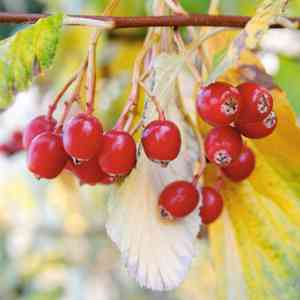
A notable characteristic of Greene's mountain ash is its function in sustaining local fauna. The berries produced by Greene's mountain ash serve as a vital food source for various bird species and small mammals during late autumn and early winter when other provisions diminish. This attribute alone makes it an invaluable element in preserving biodiversity and aiding ecosystem equilibrium.
Soil Stabilization
Greene's mountain ash possesses the distinct ability to stabilize soil due to its robust root system. This positions it as an ideal species for preventing soil erosion, particularly on inclines and in areas susceptible to landslides. The roots of Greene's mountain ash not only anchor the earth but also enhance its quality by improving its structure and encouraging water penetration.
Pollinator Friendly
Beyond providing sustenance for wildlife, the blossoms of Greene's mountain ash attract diverse pollinators, including bees and butterflies. This makes it an excellent addition to any garden aiming to foster pollinator activity, which is crucial for the fertilization of many agricultural crops and the overall health of our ecosystems.
How Does Greene's mountain ash Enhance Your Landscape?
Aesthetic Appeal
Greene's mountain ash is renowned for its decorative value. It features lush foliage, appealing white flowers in the spring, and vibrant red-orange berries in the fall, making it a visually pleasing addition to any garden or outdoor setting. Its multi-seasonal charm ensures your garden remains lively and colorful throughout the year.
Low Maintenance
Another significant advantage of Greene's mountain ash is its minimal upkeep requirements. Unlike other demanding plants, Greene's mountain ash needs little watering once established and is resistant to many pests and diseases. This makes it a trouble-free option for those desiring a beautiful garden without constant tending.
Why is Greene's mountain ash a Sustainable Choice?
Carbon Sequestration
While not immediately apparent, Greene's mountain ash, like other trees and shrubs, contributes to carbon sequestration. The process by which plants absorb atmospheric carbon dioxide and store it as carbon helps in mitigating climate change. Incorporating Greene's mountain ash into your landscape can thus play a small but meaningful role in reducing your carbon footprint.
Drought Tolerance
In an era of climate change and unpredictable weather patterns, the drought tolerance of Greene's mountain ash distinguishes it. This plant can flourish in various climatic conditions, including regions with limited water availability. Its capacity to withstand arid conditions makes it a resilient choice, especially in areas experiencing water scarcity.
Native Plant Benefits
As a native plant, Greene's mountain ash is perfectly adapted to its regional environment, lessening the need for extra water, fertilizers, and pesticides. Native plants like Greene's mountain ash are typically more resilient to local pests and weather conditions, thereby promoting a more sustainable and eco-friendly gardening approach. Furthermore, planting native species helps maintain ecological balance and supports indigenous wildlife.



