How to Propagate Greene's mountain ash?
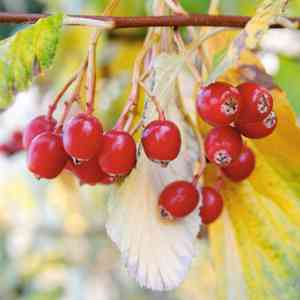
Greene's mountain ash flourishes most effectively when reproduced via cuttings, a technique perfect for preserving the species' genetic characteristics. Cultivators ought to choose robust, pathogen-free cuttings for propagation to guarantee optimal growth results. Useful advice involves employing a rooting stimulant to boost root formation and supplying a porous soil blend to avert root decay, a frequent issue with this plant.
What Is the Best Time To Propagate Greene's Mountain Ash?
Propagation Type
Cutting
Propagation Season
Fall,Winter
What Tools Are Used in Greene's Mountain Ash Propagation?
Sharp Pruning Shears
Pruning shears are vital for taking cuttings from greene's mountain ash. Sharp blades ensure clean and precise cuts, reducing the risk of infection and damage to the parent plant. For greene's mountain ash, a clean cut at the stem aids in quicker rooting and recovery.
Rooting Hormone
Rooting hormone powders or gels stimulate root growth and enhance the rooting success of greene's mountain ash cuttings. Application to the cut end before planting helps establish a stronger root system more rapidly, which is crucial for the sensitive early stages of propagation.
Sterile Potting Mix
A well-draining and sterile potting mix provides the ideal environment for greene's mountain ash cuttings to root. This medium prevents disease and supports adequate moisture and air circulation around the newly forming roots.
Plant Pots
Small to medium-sized plant pots are used to plant the initial cuttings of greene's mountain ash. These containers should have excellent drainage to prevent waterlogging, which could lead to root rot and other moisture-related diseases.
Plastic Covers or Mini Greenhouses
Maintaining high humidity around greene's mountain ash cuttings is critical for successful rooting. Plastic covers or mini greenhouses help create a moist, sheltered environment that encourages the cuttings to grow and reduces water loss through evaporation.
How to Propagate Greene's Mountain Ash?
Propagation Type
Moderately Difficult
How to Care for Your Newly Propagated Greene's Mountain Ash?
How to Care for Your Newly Propagated Greene's Mountain Ash?
Once the greene's mountain ash cuttings have established roots, gradually acclimatize them to external conditions by removing the humidity cover for increasing periods each day over a week. Transplant the rooted cuttings into individual pots filled with a well-draining soil mix. Position in bright, indirect light and water regularly to maintain moist soil without waterlogging. During the first growing season, avoid fertilizing. Protect young greene's mountain ash from extreme temperatures and wind until fully hardened off.
Common Mistakes to Avoid When Propagating Greene's Mountain Ash
Overwatering
Excessive watering of greene's mountain ash can lead to root rot, a condition where the roots start to decay, effectively hindering the plant's ability to absorb water and nutrients. This drastically reduces propagation success.
Using non-sterile tools
Propagating greene's mountain ash with non-sterile tools can introduce pathogens to the cuttings or seedlings, leading to infections and diseases that can compromise the health of the plant and impede successful growth.
Ignoring soil composition
Using the wrong soil mix for greene's mountain ash can affect root development. Soil that is too dense or doesnât drain well can cause water to accumulate around the roots, leading to issues like root rot.
Tips For Propagating Greene's Mountain Ash
Provide adequate light
Ensuring greene's mountain ash receives sufficient but not excessive sunlight is crucial, as it supports healthy growth without causing burn or excessive heat stress to the plant.
Use sterile tools
Always use sterile pruning shears or knives when taking cuttings from greene's mountain ash. This prevents the transfer of diseases and ensures healthier and more viable plant growth.
Select healthy parent plants
Choose healthy and disease-free specimens of greene's mountain ash for propagation. Strong parent plants are more likely to produce robust and successful propagates.



