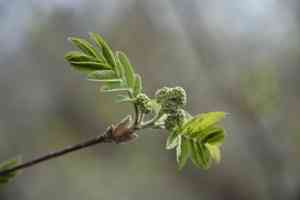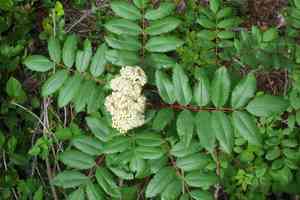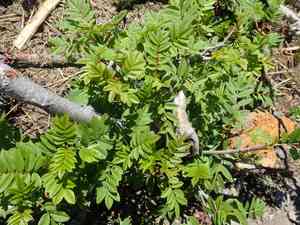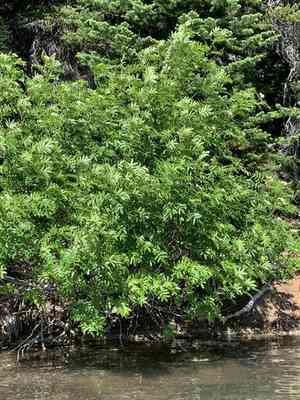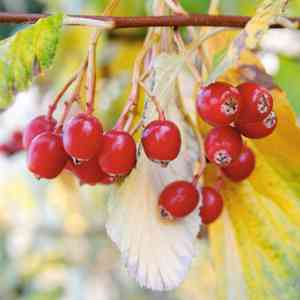
Greene's mountain ash(Sorbus scopulina)

Greene's mountain ash (Sorbus scopulina)

Also known as: Mountain Ash, Western Mountain Ash

Western Mountain Ash (Sorbus scopulina) belongs to the rose family and thrives in the mountainous areas of western North America, from foothills to alpine regions. This shrub blooms with small, fragrant white flowers and later produces orange-red berries that serve as a winter food source for various birds and mammals.

Attributes of Greene's mountain ash

Lifespan
Perennial
Plant Type
Tree, Shrub
Plant Height
1 m to 8 m
Spread
4 m
Leaf Color
Green in summer, turning yellow to red in fall
Flower Size
5 cm to 15 cm
Flower Color
White

ForwardPlant - Identify plants with a snap

Identify and diagnose plants, get toxicity alerts, and explore safety guides for all types of fungi.

Try for Free

Images of Greene's mountain ash

Greene's mountain ash(Sorbus scopulina)

Quickly Identify Greene's mountain ash

1
Identify Sorbus scopulina by its compound leaves with 11-17 serrated leaflets, white flowers in dense corymbs, and bright red to orange-red berries.

Scientific Classification of Greene's mountain ash

Phylum
Vascular plants
Class
Dicotyledons
Order
Rosales
Family
Rose
Genus
Sorbus
Species
Greene's mountain ash

Planting and Growing of Greene's mountain ash

Care Difficulty
Easy
Watering Schedule
Every 4 days
Sunlight Requirements
Full sun
Sunshine Duration
6-10 hours
Ideal Temperature
60-75℉
Soil Type
Potting Mix, Peat Mix
Soil pH
6.5-7.5
Fertilizer Type
Balanced
Pruning Season
Spring, Summer
Pruning Area
Branches, Leaves
Pruning Frequency
2 times a year
Repotting Season
Spring
Pot Type
Plastic, Ceramic

water icon How to Water Greene's mountain ash?

Sorbus scopulina, known as the Greene's mountain ash, requires a moderate amount of water, around 500 ml per session. It's crucial to ensure the soil is moist but not waterlogged, as this plant prefers well-drained conditions. Water access should mimic its natural mountainous habitat, providing enough moisture without creating standing water around the roots.
What are the symptoms of an underwatered Greene's mountain ash? ›
What should I do if my Greene's mountain ash is not getting enough water? ›
What are the symptoms of an overwatered Greene's mountain ash? ›
How to save an overwatered Greene's mountain ash? ›

sunlight icon What Are the Sunlight Requirements for Greene's mountain ash?

Sunlight Requirements: Full sun, Partial sun
Duration of light: 4 to 6 hours
Sorbus scopulina prefers full sun to partial sun exposure. This range ensures efficient photosynthesis, resulting in healthy foliage and enhanced flowering and fruit production.
What is the best lighting condition for Sorbus scopulina? ›
How can you ensure the plant gets ideal lighting exposure? ›
What are the benefits of ideal lighting for Sorbus scopulina? ›
More About Sunlight Requirements Techniques→

temperature icon What Is the Ideal Temperature Range for Greene's mountain ash?

Ideal Temperature: 60 ~ 75℉
The ideal temperature range for Sorbus scopulina is between 60°F and 75°F. This range ensures optimal growth and development. At these temperatures, the plant can efficiently manage photosynthesis and nutrient uptake. Maintaining this range helps prevent stress and supports healthy leaf and fruit production.

soil icon What Soil is Best for Greene's mountain ash?

Soil type: Loam, Sandy loam
Soil PH: 6.5 ~ 7.5
Sorbus scopulina thrives in soils with excellent drainage. Ensuring proper water flow prevents root rot and supports healthy root development, which is crucial for the plant's overall vigor. Planting this species in nutrient-dense soil promotes vibrant foliage and robust growth. A balance of organic matter keeps the soil fertile, providing vital nutrients and improving soil structure. While the species desires well-drained soil, it also benefits from consistent moisture. This balance prevents stress during dryer periods and helps maintain lush, full foliage.

fertilize icon How to Fertilize Greene's mountain ash?

Fertilizer type: Balanced
When fertilizing Sorbus scopulina, it's important to be moderate. Typically, a balanced 10-10-10 NPK fertilizer is a good choice. For liquid fertilizers, use about half a cup diluted in a gallon of water for each application. Solid, slow-release fertilizers should be applied in small quantities, around 1/4 cup per plant, ensuring you do not exceed this amount to prevent nutrient burn.

prune icon How to Prune Greene's mountain ash?

Pruning Time: Spring, Autumn
Begin by removing dead, diseased, or damaged branches. Look for branches that are growing inward or rubbing against each other, as these can stifle growth and sunlight exposure. After the diseased branches are removed, focus on shaping the canopy by cutting back overly long branches. Trimming them not only balances the tree but also encourages more favorable growth. Space out the branches to improve air circulation, which reduces the likelihood of fungal diseases and pests. This step is crucial in maintaining the overall health of your Sorbus scopulina. More About Pruning Techniques→

propagate icon How to Propagate Greene's mountain ash plant?

Propagate Time: Early spring, Late spring
1
Before planting, soak the seeds in warm water for 24 hours to enhance germination. After soaking, sow them in a seed tray filled with a moist, well-draining soil mix, pressing them lightly into the surface.
2
Select healthy, semi-hardwood stems from a current year's growth. Cut a 4-6 inch section just below a node. Remove the leaves from the lower half of the cutting and dip the base in rooting hormone.
3
Insert the hormone-treated end into a pot filled with a moist rooting medium. Cover the cutting with a humidity dome or plastic bag to maintain humidity and place it in a warm, bright location out of direct sunlight.
More About Propagating Techniques→

repot icon How to Repot Greene's mountain ash plant?

Repotting frequency: Every 2-3 years
1
Sorbus scopulina shows signs of needing repotting when its roots appear cramped and begin emerging from drainage holes. Ideally, choose the early spring or early autumn when the plant is not in active growth, allowing it to adjust more comfortably to the new soil and pot conditions.
2
Opt for a pot that is one to two inches larger in diameter than the current one, ensuring it has sufficient drainage holes. A correctly sized pot offers just enough space for root expansion, preventing waterlogging and encouraging healthier plant growth.
3
Select a well-draining, loamy soil mix rich in organic matter. This type of soil maintains the right balance of moisture retention and drainage, providing the necessary nutrients for Sorbus scopulina while preventing root rot.

ForwardPlant - Identify plants with a snap

Find the best spots for them to optimize their health, simply using your phone.

Try for Free

Toxicity of Greene's mountain ash

Is Greene's mountain ash toxic to humans?

Greene's mountain ash presents a moderate toxicity risk to humans, primarily through the consumption of its seeds. These seeds contain hydrogen cyanide, a substance recognized for its potential toxic effects. When consumed, the seeds may induce symptoms such as respiratory difficulties, dizziness, headaches, and nausea. In more severe instances, ingestion could lead to convulsions or even comas, resulting from a disruption in oxygen use at the cellular level. It's essential for individuals to recognize the dangers associated with the unintentional ingestion of Greene's mountain ash seeds, particularly since other parts of the plant might not have the same toxic properties. Being vigilant is crucial to avert accidental poisoning, especially in children and pets who may be attracted to the seeds out of curiosity.

Is Greene's mountain ash toxic to cat?

Greene's mountain ash is recognized for having mild toxic effects on cats. Cats can be poisoned by this plant through accidental ingestion of its parts. The seeds of greene's mountain ash are the primary toxic components, as they contain hydrogen cyanide, which is harmful when consumed. Following exposure to this plant, a cat may exhibit signs suggesting physical discomfort or illness. If a cat consumes any portion of greene's mountain ash, it is essential to seek prompt veterinary assistance to secure the best possible recovery for the affected feline.

Is Greene's mountain ash toxic to dog?

Greene's mountain ash presents a mild toxicity risk for dogs. Canines might inadvertently consume parts of the plant, especially the seeds, which are known to harbor harmful compounds. If a dog ingests these toxic components, it may show symptoms such as gastrointestinal distress or more severe reactions depending on the quantity ingested. The main toxic agent in Greene's mountain ash that leads to poisoning is hydrogen cyanide, which can disrupt oxygen utilization at the cellular level. Dog owners must be vigilant and ensure their pets do not have access to areas where greene's mountain ash flourishes. If ingestion is suspected, seeking immediate veterinary care is essential to effectively manage any potential poisoning.

Identify toxic plants for your safety

Learn which plants are harmful to you and your pets, and make informed choices for a safer home!

Try for Free
WARNING
The judgment on toxicity and danger is for reference only. We DO NOT GUARANTEE any accuracy of such judgment. Therefore, you SHALL NOT rely on such judgment. It is IMPORTANT TO SEEK PROFESSIONAL ADVICE in advance when necessary.
More About Toxic Techniques→