How to Prune Vegetable hummingbird?
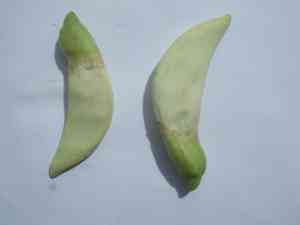
Distinguished by its blossoms resembling peas and its application as a leafy green, the vegetable hummingbird thrives with trimming to foster denser development and improve air movement. Perform pruning in the springtime, eliminating lifeless or frail branches, and sculpting the crown. Shorten elongated stalks to stimulate side shoots. Always employ sanitized, keen implements to avert illness. Consistent trimming additionally assists in managing stature, facilitating simpler gathering of foliage and blooms, and boosts the plant's general well-being and aesthetic.
Advantages of Trimming Vegetable Hummingbird
Advantages of Trimming Vegetable Hummingbird
Trimming vegetable hummingbird encourages more blossoms and pod development, leading to a larger yield. Strategic cuts promote more vigorous growth and help maintain a desirable shape, while also aiding in the prevention of pest and disease infestations.
Optimal Time for Trimming Vegetable Hummingbird
Optimal Time for Trimming Vegetable Hummingbird
Trimming vegetable hummingbird from late winter to early spring is recommended as this period aligns with the plant's dormant phase, preceding its rapid growth. During this time, vegetable hummingbird has not yet used energy for leaves, flowers, or fruit, so pruning will not disrupt these processes. This timing also allows the plant to recover from cuts before new growth begins. Additionally, pruning just before the growth cycle starts helps revitalize vegetable hummingbird by removing any dead or diseased wood, improving air circulation, and shaping the plant for the upcoming season, which can result in a healthier plant with enhanced yields of flowers or pods.
Tools Required for Trimming Vegetable Hummingbird
Hand Pruners
Essential for precise cuts on vegetable hummingbird's young, tender stems without causing unnecessary damage.
Lopping Shears
Ideal for trimming thicker branches that hand pruners cannot handle, ensuring clean cuts for branches up to 1.5 inches in diameter.
Pruning Saw
Necessary for cutting through vegetable hummingbird's mature branches more than 1.5 inches thick, allowing for efficient removal of larger limbs.
Hedge Shears
Useful for shaping and maintaining the dense foliage of vegetable hummingbird, enabling even trimming of multiple stems at once.
Pole Pruner
Advisable for reaching higher branches of vegetable hummingbird without the need for a ladder, providing safe pruning from ground level.
How to Trim Vegetable Hummingbird
Identify
Thoroughly inspect the vegetable hummingbird for any dead or diseased branches, which may appear dry, brittle, discolored, or show signs of fungal growth.
Sanitize
Before pruning, sanitize your cutting tools with either rubbing alcohol or a 10% bleach solution to prevent the spread of disease.
Cut Diseased
Carefully cut any diseased branches well below the affected area to ensure that all parts of the infection are removed. Make the cut at a 45-degree angle to promote healing and water runoff.
Remove Dead
Remove dead branches by cutting them at the point where they join the main stem or a healthy branch. Use sharp, clean pruning shears to make a clean cut without tearing the bark.
Disposal
Collect and dispose of all diseased and dead plant material away from vegetable hummingbird to prevent the potential spread of pests or diseases.
Common Trimming Errors with Vegetable Hummingbird
Over-trimming
Cutting too much of vegetable hummingbird at once can weaken the plant, reducing its ability to photosynthesize and leaving it susceptible to diseases or pests.
Incorrect Cut Placement
Making cuts too far from a bud, node, or not on a diagonal can hinder the healing process and promote disease entry points.
Trimming Healthy Growth
Removing too much healthy growth instead of focusing on dead, damaged, or diseased branches can limit vegetable hummingbird's productivity and growth.
Ignoring Plant Shape
Not considering the natural shape of vegetable hummingbird when pruning can result in an unsightly appearance and can also impact future growth patterns.
Using Dull Tools
Employing dull or unclean pruning tools can cause ragged cuts that are more likely to become infected, affecting vegetable hummingbird's health.
Trimming Without A Plan
Random or excessive cutting without understanding the growth habit of vegetable hummingbird can lead to poor plant structure and fewer blooms.
General Trimming Advice for Vegetable Hummingbird
Clean Cuts
Make sure to use sharp and sterile pruning shears to make clean cuts that vegetable hummingbird can heal from quickly, reducing the risk of disease.
Selective Trimming
Focus on removing only dead, diseased, or crossed branches to maintain vegetable hummingbird's health and encourage air circulation through the plant.
Maintain Structure
Prune vegetable hummingbird by following its natural shape, which will promote a strong framework and avoid stressing the plant.
Encouraging New Growth
Prune just above a bud facing the outside of the plant to encourage new growth outwards, enhancing air flow and reducing the risk of fungal diseases.
Avoid Tear Cuts
When cutting larger branches, avoid tearing the bark. Instead, use a precise undercut before making the final cut from the top to protect the trunk and larger limbs.
Post-Trimming Care
Provide vegetable hummingbird with proper post-pruning care, such as watering and mulching, to support recovery and encourage the production of flowers and foliage.



