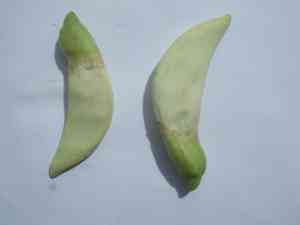
Vegetable hummingbird (Sesbania grandiflora)
Also known as: Swamp pea, Spanish armada, Christmas bells, Scarlet wistaria
The tree you're referring to is the Vegetable Hummingbird, or Sesbania grandiflora. This tree is known for its rapid growth, often reaching heights of up to 4.5 meters. It is cultivated both for ornamental purposes, providing ample shade, and for rehabilitating degraded or eroded soils. Additionally, the gum extracted from the Vegetable Hummingbird tree is utilized to increase the durability of fishing cord.
In This Article
Attributes of Vegetable hummingbird
Lifespan
Perennial
Plant Type
Tree, Shrub
Plant Height
9 m
Spread
5-8 meters
Leaf Color
Green
Flower Size
13 cm to 15 cm
Flower Color
White Pink Purple Red Mauve
Images of Vegetable hummingbird
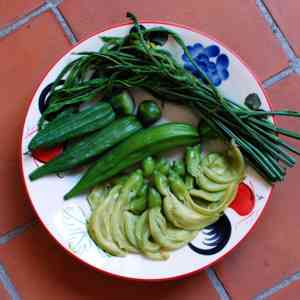
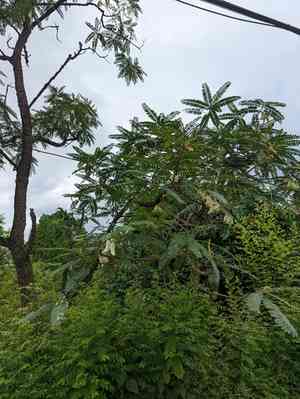
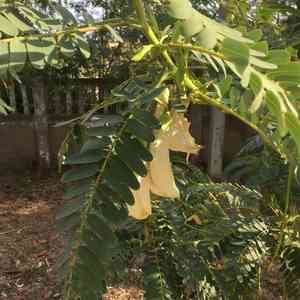
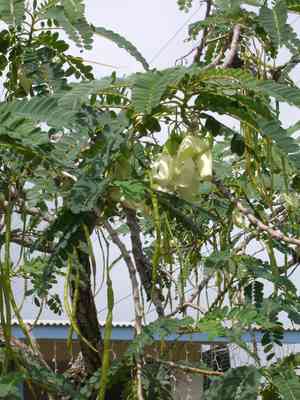
Quickly Identify Vegetable hummingbird
1
To identify Sesbania grandiflora, look for a small, deciduous tree with an open crown. Its leaves are pinnate with numerous narrow leaflets, and it produces large, pendulous flowers that are usually white or red. The fruit is a long, slender pod.
Scientific Classification of Vegetable hummingbird
Phylum
Vascular plants
Class
Dicotyledons
Order
Legumes, milkworts and allies
Family
Legume
Genus
Sesbania
Species
Vegetable hummingbird
Planting and Growing of Vegetable hummingbird
Care Difficulty
Easy
Watering Schedule
Every 4 days
Sunlight Requirements
Full sun
Sunshine Duration
6-10 hours
Ideal Temperature
68-86℉
Soil Type
Potting Mix, Peat Mix
Soil pH
6.5-7.5
Fertilizer Type
Balanced
Pruning Season
Spring, Summer
Pruning Area
Branches, Leaves
Pruning Frequency
2 times a year
Repotting Season
Spring
Pot Type
Plastic, Ceramic
 How to Water Vegetable hummingbird?
When watering Sesbania grandiflora, it's essential to provide approximately 500 ml of water per session. This amount ensures that the soil remains moist but not waterlogged. The ideal approach is to water until the top 2-3 inches of the soil feel damp. This helps maintain consistent moisture levels without drowning the roots.
What are the symptoms of an underwatered Vegetable hummingbird?
›
What should I do if my Vegetable hummingbird is not getting enough water?
›
What are the symptoms of an overwatered Vegetable hummingbird?
›
How to save an overwatered Vegetable hummingbird?
›
 What Are the Sunlight Requirements for Vegetable hummingbird?
Full sun benefits Sesbania grandiflora by fostering robust growth and flourishing blooms. Ideal light strengthens stems, ensuring the plant reaches its full aesthetic and functional potential.
More About Sunlight Requirements Techniques→
Question: What is the ideal environment for Sesbania grandiflora in terms of sunlight exposure?
›
Question: How can I ensure Sesbania grandiflora gets the right sunlight indoors?
›
Question: What are specific benefits of optimal sunlight exposure for Sesbania grandiflora?
›
 What Is the Ideal Temperature Range for Vegetable hummingbird?
The ideal temperature range for Sesbania grandiflora growth is between 68°F and 86°F. This promotes optimal photosynthesis and nutrient absorption, ensuring vibrant growth and flowering. At these temperatures, the plant can maximize its physiological processes, resulting in healthy foliage and robust development.
 What Soil is Best for Vegetable hummingbird?
Sesbania grandiflora thrives best in well-draining soils, as the roots require oxygen and cannot tolerate waterlogged conditions. This type of soil helps to prevent root rot, ensuring healthy growth and optimal nutrient uptake. A nutrient-rich soil is essential for Sesbania grandiflora, as it supports vigorous growth and lush foliage. This need for nutrients can be met by incorporating organic matter or compost, enriching the soil and enhancing plant vitality. Maintaining a soil pH between 6.5 and 7.5 is crucial for Sesbania grandiflora, as it facilitates the optimal availability of essential nutrients. This balance helps in preventing nutrient deficiencies and promotes healthy plant development.
 How to Fertilize Vegetable hummingbird?
Sesbania grandiflora prefers a balanced approach to fertilization. When applying liquid fertilizers, use a diluted solution that offers 50% of the recommended strength. For slow-release granular fertilizers, supply approximately 100 grams per plant annually. This ensures that the plant receives sufficient nutrients without overwhelming its system.
 How to Prune Vegetable hummingbird?
Start with clean, sharp pruning shears to ensure precise cuts and minimize damage. Prepare the area around the Sesbania grandiflora by removing debris and weeds to allow easy access to the plant. Focus on cutting back dead, damaged, or diseased branches first. Identify the main branch structures and decide on the shape you'd like to maintain before removing excess growth. Make your cuts at a 45-degree angle just above a leaf node or bud. This encourages new growth in the desired direction and prevents water accumulation on the cut surface, reducing disease risk. Trim to maintain a balanced shape, removing any crossing branches that may rub and cause damage. Aim for an open structure for better air circulation and light penetration.
More About Pruning Techniques→
 How to Propagate Vegetable hummingbird plant?
1
Prepare seeds by soaking them in water for 24 hours to soften the hard seed coat, enhancing germination rates.
2
Select healthy branches for cuttings. Ideal cuttings are semi-hardwood segments about 15-20 cm in length, with at least three nodes.
3
Insert the cuttings into a well-draining soil mix, ensuring at least one node is below the soil surface to promote root development.
 How to Repot Vegetable hummingbird plant?
1
Repotting Sesbania grandiflora should be done when the roots start to emerge from the drainage holes, or the plant looks top-heavy and unsteady in its current pot. Additionally, slow growth and reduced blooming can signal that it's time for a new pot. The best time for repotting is during its active growth period in spring or early summer.
2
Select a pot that is one size larger than the current one, ensuring it has adequate drainage holes. A slightly larger pot prevents waterlogging and allows root expansion without overwhelming the plant with excessive soil. The new pot should be deep enough to accommodate the plant's root system comfortably, fostering both stability and optimal growth.
3
Opt for a well-draining soil rich in organic matter; a mix of potting soil, sand, and compost works well. This ensures proper nutrient availability while preventing root rot by allowing excess water to escape. A fertile soil mixture supports the plant's vigor and blooming potential, crucial for its overall health.
Learn More About Vegetable hummingbird Diseases
Anthracnose
Bacterial Leaf Spot
Bacterial Soft Rot
Bacterial Wilt
Crown Gall
Cyst Nematode
Damping-off
Downy Mildew
Drought Stress
Fusarium Wilt
Gray Mold
Leaf Curl
Leaf Spot
Mosaic
Nutrient Deficiency
Nutrient Toxicity
Powdery Mildew
Root Rot
Root-knot Nematode
Rusts
Sooty Mold
Spider Mites
Temperature Stress
Thrips Damage
White Mold
Chemical Injury



