The Vegetable hummingbird Plant Advantage: Maximizing Home and Office Appeal and Wellness
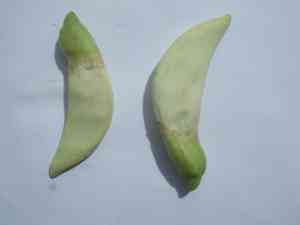
1
The vegetable hummingbird plant offers a wealth of vital vitamins and minerals, making it very nourishing.
2
This botanical specimen possesses inherent anti-inflammatory characteristics.
3
Vegetable hummingbird has the ability to improve soil richness, which is advantageous for farming methods.
What Makes Vegetable Hummingbird Nutritionally Distinct?
Abundant Vitamins and Minerals
Vegetable hummingbird stands out as a nutritional powerhouse. It is particularly rich in vitamins like vitamin A, crucial for maintaining good eyesight, and vitamin C, known for its immune-boosting qualities. Additionally, the plant contains vital minerals such as calcium, which supports bone strength, and iron, playing a key role in oxygen transport throughout the body.
High Protein Content
Unlike many other plant species, Vegetable hummingbird provides a substantial amount of protein, making it a valuable addition to vegetarian and vegan diets. Its high protein content aids in muscle development and repair, making it an excellent supplement for those leading an active lifestyle.
How Does Vegetable Hummingbird Offer Anti-Inflammatory Advantages?
Natural Anti-Inflammatory Compounds
Vegetable hummingbird contains unique substances recognized for their anti-inflammatory properties. Various studies have identified these compounds as effective in reducing inflammation, which can assist in managing conditions like arthritis and other inflammatory disorders.
Potent Antioxidants
Beyond its anti-inflammatory benefits, Vegetable hummingbird is packed with antioxidants that help neutralize harmful free radicals in the body. These antioxidants safeguard cells from damage, decrease oxidative stress, and can potentially lower the risk of chronic illnesses.
What Role Does Vegetable Hummingbird Play in Agriculture?
Soil Fertility Improvement
Vegetable hummingbird significantly enhances soil fertility, making it a valuable plant for agricultural sustainability. The plant's roots have a symbiotic relationship with nitrogen-fixing bacteria, enriching the soil with essential nutrients and lessening the need for chemical fertilizers.
Pest Management
Interestingly, Vegetable hummingbird also acts as a natural pest deterrent. Its cultivation alongside other crops can help decrease the likelihood of pest infestations, thereby promoting healthier and more abundant harvests.
How Can You Incorporate Vegetable Hummingbird into Your Diet?
Culinary Applications
Vegetable hummingbird is incredibly versatile in the kitchen. The leaves, flowers, and young pods are edible and can be used in a variety of dishes. They are often added to soups, stews, and salads, providing both flavor and nutritional benefits.
Preparation Suggestions
To maximize the benefits of Vegetable hummingbird, it's crucial to prepare it correctly. The leaves can be sautéed with garlic and onions, while the flowers can be stuffed and fried for a delicious treat. The young pods can be steamed or boiled, preserving their nutritional value.
Why Should Gardeners Consider Cultivating Vegetable Hummingbird?
Simple to Grow
Vegetable hummingbird is relatively easy to cultivate, requiring minimal upkeep. It thrives in various soil types and climates, making it accessible for gardeners in different regions. With consistent watering and ample sunlight, Vegetable hummingbird can grow rapidly and profusely.
Environmental Advantages
Planting Vegetable hummingbird contributes positively to the environment. It helps reduce soil erosion, promotes biodiversity, and supports the local ecosystem. Additionally, it's an excellent plant for restoring degraded lands, thanks to its robust growth capacity.



