How to Propagate Vegetable hummingbird?
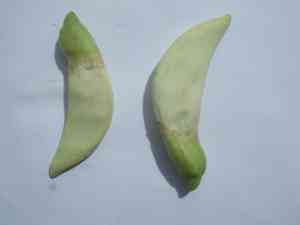
Originating from a rapidly developing leguminous tree, the vegetable hummingbird is chiefly propagated via cuttings. Cultivators ought to choose robust, unblemished shoot ends or stem segments. For successful root development, these cuttings necessitate damp, adequately draining substrate. Applying rooting stimulants beforehand can boost the chances of success, encouraging strong development. Providing light support to the cuttings can avert harm as their root systems form. Consistent irrigation aids in preserving moisture, which is vital for early growth, though caution is needed to prevent excessive saturation.
When Is the Optimal Time to Propagate Vegetable Hummingbird?
Propagation Method
Cutting
Propagation Period
Autumn,Winter
What Equipment Is Used for Vegetable Hummingbird Propagation?
Sharp Pruning Shears
These are vital for making clean incisions on vegetable hummingbird's branches for cuttings. A keen, sanitized blade ensures the cut is precise and smooth, lowering infection risk and boosting successful rooting.
Rooting Hormone
This compound is applied to stimulate root formation at the base of vegetable hummingbird cuttings. It promotes quicker and more dependable root growth, increasing propagation success rates.
Sterilized Potting Mix
Utilizing a sterilized potting mix prevents the spread of soil-borne illnesses to vegetable hummingbird cuttings. The mix should drain freely to support healthy root development without waterlogging, which is critical for the delicate initial stages of root growth.
Propagation Tray
This container holds the soil and vegetable hummingbird cuttings in an organized fashion, allowing for easy management and efficient use of space. The tray should have drainage holes to prevent excessive water retention that could lead to root rot.
Plastic Cover or Humidity Dome
Placing a humidity dome or plastic cover over the propagation tray maintains high humidity and a stable temperature, essential conditions for vegetable hummingbird cuttings to root effectively. It aids in preserving moisture and shielding cuttings from environmental stress.
How to Propagate Vegetable Hummingbird?
Propagation Type
Moderately Difficult
How to Care for Your Newly Propagated Vegetable Hummingbird?
How to Care for Your Newly Propagated Vegetable Hummingbird?
To care for new vegetable hummingbird plants after propagation, it's crucial to gradually introduce them to less humid conditions by removing the plastic covering for increasing durations daily. Once rooted, they require a sunny spot, consistent watering with proper drainage, and pest monitoring. Fertilization can commence one month post-rooting with a balanced, water-soluble fertilizer to encourage robust growth. Regular trimming will help maintain a desired shape and stimulate new growth.
Common Errors to Avoid When Propagating Vegetable Hummingbird
Overwatering
Starting vegetable hummingbird cuttings in overly wet conditions can lead to stem and root decay, impeding growth and potentially causing the cuttings to perish.
Deep planting
Planting vegetable hummingbird cuttings too deeply can reduce oxygen availability, which is vital for new root development, resulting in poor propagation outcomes.
Neglecting hygiene
Using unsterilized tools or containers when cutting or planting vegetable hummingbird can introduce pathogens, leading to disease and low propagation success.
Using unsuitable cuttings
Selecting weak, unhealthy, or excessively young or mature cuttings can lead to low success rates due to insufficient vigor or an inability to establish new roots.
Tips For Propagating Vegetable Hummingbird
Appropriate cutting selection
Choose semi-hardwood cuttings from healthy vegetable hummingbird that are neither too young nor too old for optimal root development and growth.
Moisture control
Maintain consistent moisture levels for vegetable hummingbird cuttings without overwatering to prevent root rot while ensuring adequate hydration for growth.
Soil preparation
Prepare well-draining soil or a suitable medium for vegetable hummingbird cuttings to enhance the chances of root establishment and vigorous growth.
Sterilization practices
Sterilize cutting tools and containers before propagating vegetable hummingbird to minimize the risk of disease transmission and ensure healthy development.



