How to Prune Nodding sage?
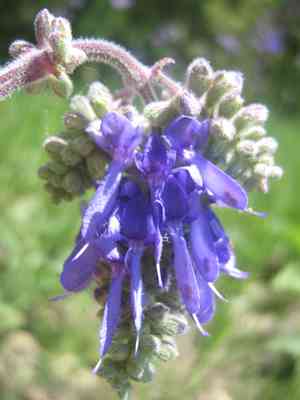
Distinguished by its drooping, blue-purple blooms, nodding sage benefits most from pruning in the spring or early summer to stimulate vigorous development and avoid sparse growth. Promptly removing faded flowers can encourage a subsequent flowering period. Trimming should concentrate on eliminating aged and lifeless stems to improve air movement, which is vital for averting fungal diseases. Gentle shaping aids in preserving an appealing structure and bolsters the plant's well-being, ensuring enduring aesthetic charm and strength in the landscape.
What Are the Benefits of Pruning Nodding Sage?
What Are the Benefits of Pruning Nodding Sage?
Trimming nodding sage promotes robust development and maintains its form. Regular cutting aids in revitalizing the plant's framework, fostering denser leaves, and improving its overall health and visual appeal.
What Is the Best Time for Pruning Nodding Sage?
What Is the Best Time for Pruning Nodding Sage?
Pruning or trimming nodding sage during Spring and Summer aligns with its active growth phase, allowing the plant to efficiently heal and produce new growth. Spring pruning, after the last frost, prepares nodding sage by removing any winter damage and encouraging robust new shoots, which contribute to healthier and more abundant flowering. Summer pruning, typically done after the first flowering peak, can stimulate a second bloom period and helps in maintaining the shape and compactness of the plant. These seasons ensure that nodding sage has enough time to recover before the onset of colder weather, which is crucial for its overall health and vigor.
What Tools Do I Need to Prune Nodding Sage?
Hand Pruners
Perfect for making precise cuts on nodding sage, hand pruners are essential for snipping away dead or overgrown branches. Their ability to offer clean cuts promotes healthier growth and minimizes damage to the plant.
Pruning Shears
Best for shaping nodding sage and controlling its size, pruning shears help maintain the plant's form and encourage the growth of flowers. They are comfortable for repetitive use on softer stems.
Garden Scissors
Useful for deadheading and trimming nodding sage throughout the growing season. Garden scissors allow gardeners to make more delicate cuts, ideal for deadheading spent flowers to promote continuous blooming.
How to Prune Nodding Sage
Identify
Carefully inspect nodding sage for diseased and withered leaves, as well as any diseased stems. Use clear daylight to ensure accurate identification of the unhealthy parts.
Sanitize
Before beginning the pruning process, sanitize your pruning tools with isopropyl alcohol or a 10% bleach solution to prevent the spread of disease to healthy parts of nodding sage.
Cut
Using sharp, clean scissors or pruners, precisely cut off diseased and withered leaves at their base, close to the stem. Make clean cuts without tearing to avoid damage to the plant's healthy tissues.
Trim
Trim diseased stems by cutting them back to a healthy intersection or node. Ensure each cut is angled slightly to facilitate water runoff and prevent water accumulation that could lead to further disease.
Dispose
Carefully dispose of all removed leaves and stems in a way that prevents them from coming into contact with other parts of the garden to minimize the risk of spreading any pathogens.
Common Pruning Mistakes with Nodding Sage
Over-pruning
Removing too much of nodding sage's foliage at once can significantly weaken the plant. This is a common error, particularly by those who are eager to shape the plant aggressively.
Cutting too close
Cutting stems too close to the main branches can damage the plant's natural structure, potentially leading to diseases due to open wounds on the plant.
Improper tools
Using dull or dirty pruning shears can cause jagged cuts, which make nodding sage more susceptible to pests and diseases.
Ignoring deadheads
Failing to remove dead or faded flowers can prevent nodding sage from producing new blooms, as it continues to direct energy towards the seeds of spent blooms.
Common Pruning Tips for Nodding Sage
Selective thinning
Focus on thinning out crowded areas to improve sunlight penetration and air circulation around nodding sage's branches, which helps maintain plant health and vigor.
Early shaping
Start shaping nodding sage early in its growth to encourage a desired growth pattern, which can prevent the need for drastic cuts in the future.
Post-blooming trimming
After flowering, trim back the spent flower stems to encourage a second flush of blooms, enhancing nodding sage's aesthetic appeal throughout the growing season.
Tool care
Keep pruning tools sharp and clean to ensure clean cuts that will heal rapidly, minimizing stress and exposure to pests.



