The Nodding sage Plant Advantage: Maximizing Home and Office Appeal and Wellness
1
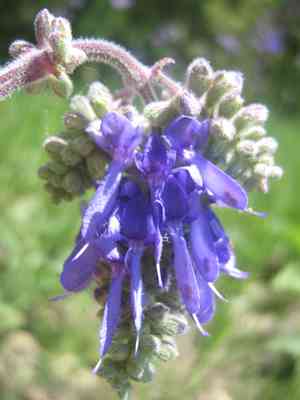
Nodding sage is recognized for its lovely drooping blossoms and fragrant aroma.
2
This species enhances garden biodiversity through its appeal to pollinators.
3
Nodding sage is suitable for preparing calming herbal beverages and infusions.
What Are the Visual Advantages of Nodding sage?
Distinctive Appearance
Nodding sage distinguishes itself in any garden with its drooping, bell-shaped blossoms and rich green foliage. Its delicate, pendulous flowers can impart grace and charm to your garden areas.
Vibrant Blooms
Nodding sage produces bright flowers typically in shades of blue or lavender. These blooms can create a visually stunning display, enhancing your garden's appeal and visual impact.
How Does Nodding sage Boost Biodiversity?
Attracts Pollinators
A key advantage of Nodding sage is its capacity to draw in various pollinators, including bees, butterflies, and hummingbirds. By cultivating Nodding sage, you promote a healthier, more diverse garden ecosystem.
Supports Local Wildlife
Beyond just pollinators, Nodding sage offers sustenance and refuge for diverse insects and small creatures. This support helps establish a balanced environment where multiple species can flourish together.
What Are the Practical Applications of Nodding sage?
Herbal Beverages and Infusions
The leaves and flowers of Nodding sage can be harvested to craft soothing herbal teas and infusions. These drinks are not only pleasant but also provide a natural method to relax and unwind.
Aromatic Qualities
Nodding sage's fragrant leaves can be utilized in potpourris and sachets to lend a delightful scent to your home. The aroma is both calming and invigorating, making it a versatile addition to your aromatic herb collection.
How Can Nodding sage Improve Soil Quality?
Nitrogen Fixation
While Nodding sage is not a legume, it can still contribute to soil health indirectly by attracting beneficial insects that assist in nitrogen fixation. Healthier soil leads to more vigorous plant growth and higher yields in your garden.
Erosion Control
Nodding sage's root system helps to stabilize soil and prevent erosion. Planting this species on slopes or in areas prone to erosion can significantly reduce soil loss and preserve garden integrity.
What Growing Conditions Are Optimal for Nodding sage?
Sunlight Requirements
Nodding sage thrives in well-lit environments and needs at least six hours of direct sunlight daily. Planting in a sunny location will ensure robust growth and abundant blooms.
Soil Preferences
Nodding sage prefers well-draining soil with a pH level between 6.0 and 7.0. Incorporating organic matter such as compost can enhance soil quality and provide essential nutrients.
Can Nodding sage Be Used for Landscaping?
Garden Edges
Nodding sage is an excellent choice for garden borders due to its moderate height and attractive flowers. It can create a natural, flowing edge along pathways and garden beds.
Companion Planting
Nodding sage pairs well with other perennials and herbs, including lavender, rosemary, and echinacea. This combination not only looks beautiful but also supports a thriving garden ecosystem.
What Are the Maintenance Needs for Nodding sage?
Watering Needs
Nodding sage requires consistent watering, especially during dry spells. Established plants can endure brief periods of drought, but younger plants need steady moisture.
Pruning Tips
Regularly pruning Nodding sage encourages new growth and maintains plant shape. Remove any dead or damaged stems to keep the plant healthy and looking its best.



