How to Propagate Nodding sage?
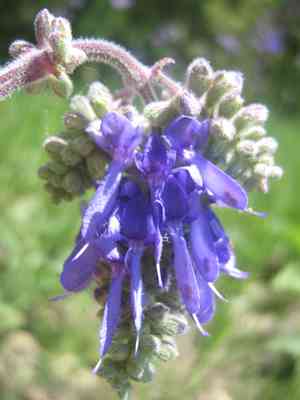
Nodding sage flourishes when reproduced via cuttings. For successful propagation, choose a robust, non-blooming stem. Sever a 4-6 inch segment directly beneath a leaf joint, and strip away the lower foliage. Submerge the severed tip in rooting compound and embed it into a damp, adequately draining potting blend. Offer diffused illumination and sustain soil hydration to foster root growth. Root formation generally takes place within several weeks, subsequent to which the young plants can be progressively accustomed to external environments.
Optimal Time for Nodding Sage Propagation?
Propagation Method
Cutting
Propagation Period
Spring,Summer
Tools for Nodding Sage Propagation?
Sharp Pruning Shears
These shears are vital for making clean cuts on stems for propagation. Their sharp blades ensure a precise incision without damaging the delicate tissues of nodding sage, which is key for healthy root formation. Using a sterile blade also reduces the risk of introducing diseases.
Rooting Hormone
This chemical compound promotes root development from the cut ends of nodding sage stems. Dipping the cut end into the rooting hormone before planting significantly boosts the likelihood of successful root establishment, leading to a higher propagation success rate.
Planting Pots
Small to medium-sized containers filled with a well-draining soil mix are recommended for placing nodding sage cuttings. These pots offer the ideal environment for root growth, with their porous material helping to maintain adequate moisture and allow air circulation, which is crucial for root development.
Misting Spray Bottle
A spray bottle is used to gently mist nodding sage cuttings, keeping the humidity high around the propagation area. This method of watering prevents the small cuttings from being dislodged, which can occur with heavier watering techniques, and maintains an ideal microclimate for root initiation.
Plastic Covers or Domes
Covering nodding sage cuttings with a clear plastic dome or bag creates a miniature greenhouse effect. This keeps the air around the cuttings humid, which is essential to prevent the delicate cuttings from drying out before they can root. The transparency allows sunlight to reach the plant, important for photosynthesis even at this stage.
How to Propagate Nodding Sage?
Propagation Type
Easy
Caring for Your Newly Propagated Nodding Sage?
Caring for Your Newly Propagated Nodding Sage?
Once roots have formed, gradually introduce the young nodding sage plants to less humid conditions by removing the plastic cover for longer durations over several days. Transplant them into individual containers or a permanent garden spot once they are robust enough. Post-propagation, nodding sage needs full to partial sun and well-drained soil. Consistent watering is necessary, especially during dry spells, but be wary of overwatering. Fertilize sparingly during the growing season.
Common Mistakes to Avoid When Propagating Nodding Sage
Overwatering
Excessive watering can cause root rot in nodding sage, which thrives in well-drained soil. Too much moisture suffocates the roots, hindering their ability to absorb nutrients and making the plant vulnerable to fungal infections.
Deep Planting
Planting nodding sage's seeds or cuttings too deeply can impede germination and root development. This error could prevent nodding sage from receiving sufficient light and air, crucial for the initial growth phases.
Neglecting Early Care
Failing to provide adequate care during the initial stages of propagation, particularly in maintaining humidity levels around nodding sage, can lead to desiccation and poor root establishment.
Tips For Propagating Nodding Sage
Soil Preparation
Ensure the soil is well-draining with a mix of loam and sand, suitable for nodding sage. This promotes proper root development and prevents potential waterlogging.
Use of Rooting Hormone
Applying a rooting hormone to cuttings of nodding sage can significantly enhance root growth and increase the chances of successful propagation.
Controlled Humidity
Maintaining a controlled humidity environment for nodding sage cuttings or seeds helps in successful germination and rooting. A humidity dome or plastic bag can be effective in creating the necessary conditions.



