How to Prune Korean tasselfern?
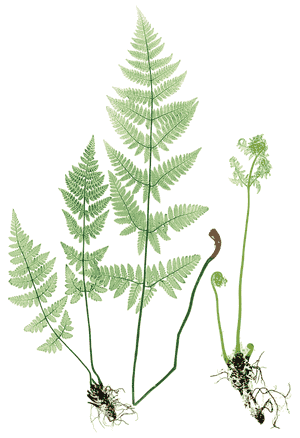
This perennial fern showcases lustrous, deep green foliage, frequently favored in areas with limited sunlight. Trimming korean tasselfern entails eliminating any withered or compromised fronds, ideally performed in early spring or late winter to preserve its neat look and stimulate robust new development. It is essential to cut near the base, taking care not to harm any nascent croziers. Consistent trimming improves air movement, lowers the likelihood of disease, and elevates the visual charm of korean tasselfern.
What Are the Benefits of Pruning Korean Tasselfern?
What Are the Benefits of Pruning Korean Tasselfern?
Trimming korean tasselfern promotes strong development and preserves its attractive shape. Strategic cuts eliminate dead or weak fronds and stimulate fresh, robust growth, giving korean tasselfern a revitalized, well-kept look.
What Is the Best Time for Pruning Korean Tasselfern?
What Is the Best Time for Pruning Korean Tasselfern?
Trimming korean tasselfern in late winter or early spring coincides with the period just before new growth begins. This timing allows gardeners to remove old or dead fronds without harming the upcoming season's fronds, ensuring the plant maintains a tidy form and vigorous health. Pruning before new growth starts helps prevent damage to new shoots and enables the plant to direct energy into producing fresh, healthy fronds. Additionally, pruning during these seasons minimizes stress on korean tasselfern, encourages denser growth, and maintains an appealing shape.
What Tools Do I Need to Prune Korean Tasselfern?
Bypass Pruners
Bypass pruners are suitable for korean tasselfern because their scissor-like action allows for precise cuts that do not harm the delicate fronds. They are ideal for snipping off dead or damaged fronds close to the base without injuring the remaining healthy tissue.
Gardening Gloves
Gardening gloves protect the gardener's hands from scratches and facilitate handling korean tasselfern during trimming.
Leaf Scoops
Leaf scoops can be used to gently collect and remove the trimmed fronds from korean tasselfern without damaging the remaining plant structure.
How to Prune Korean Tasselfern
Clean tools
Before beginning the trimming process, disinfect your cutting implements with isopropyl alcohol to prevent the spread of disease.
Identify diseased leaves
Locate diseased leaves on korean tasselfern, which may show discoloration or damage, and prepare to remove them to maintain plant health.
Prune diseased leaves
Using your sanitized cutting tools, carefully cut the diseased leaves at their base where they meet the stem or main frond, ensuring clean cuts without tearing.
Identify withered leaves
Identify any withered or old leaves on korean tasselfern that are brown and crispy, typically found on the lower parts of the plant.
Prune withered leaves
Gently remove the withered leaves by snipping them at the base, similar to diseased leaves, to encourage new growth and improve air circulation.
Common Pruning Mistakes with Korean Tasselfern
Overpruning
Trimming korean tasselfern too aggressively can result in less vigorous growth and potentially harm the plant. It's crucial not to remove too many fronds at once.
Removing healthy fronds
Some gardeners might mistakenly trim healthy, green fronds instead of focusing on dead or damaged ones, which can weaken korean tasselfern.
Pruning new growth
Cutting new, unfurling fronds can prevent korean tasselfern from fully developing its distinct tasseled appearance and lush foliage.
Improper tools
Using dull or dirty tools can cause uneven cuts or introduce disease to korean tasselfern, negatively affecting the plant's health.
Ignoring plant structure
Failing to consider korean tasselfern's natural shape and growth pattern when trimming leads to a less aesthetically pleasing plant and could hinder its growth.
Common Pruning Tips for Korean Tasselfern
Selective thinning
Remove only the old, brown fronds and any that are damaged or diseased. This maintains korean tasselfern's shape and encourages new, healthy growth.
Sterilize tools
Ensure cutting tools are clean and sharp to prevent disease and guarantee clean cuts that will heal quickly.
Gentle handling
Be careful when handling korean tasselfern, especially around new fronds, to avoid accidentally breaking them off during trimming.
Tidy growth
Trimming away dead fronds and spent foliage will keep korean tasselfern looking neat and can help deter pests and diseases.
Post-pruning care
After trimming, provide korean tasselfern with appropriate care, such as watering and mulching, to support recovery and robust growth.



