Feng Shui for Korean tasselfern
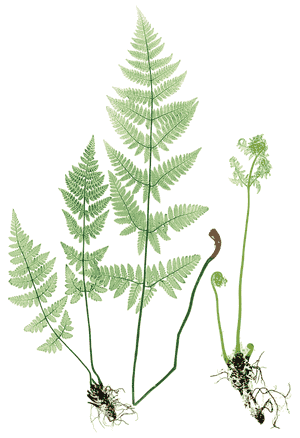
The korean tasselfern is typically favored in Feng Shui because its graceful, curving leaves foster flow and equilibrium. Especially when oriented eastward, it captures powerful morning light, potentially bringing about fresh development and vigor. Nevertheless, individual understandings of Feng Shui tenets can differ, so individuals should position the plant where it most effectively improves their environment.
How Does Korean Tasselfern Influence Energies in Your Life?
Growth, Transformation
In Feng Shui, the 'Wood' element signifies development and change. Thus, the korean tasselfern represents shifts that encourage personal advancement, symbolizing the capacity to adjust and move forward.
Revitalization, Activation
Given that its 'Qi' is 'Zhen', it denotes motion and stimulation. The korean tasselfern symbolizes the invigoration of energy, suggesting a surge in activity that leads to evolution and advancement.
What Makes Korean Tasselfern An Auspicious Choice In Feng Shui?
Balance
The korean tasselfern embodies the Wood element, fostering equilibrium and inspiring development, steadiness, and energy rejuvenation in your home.
Liveliness
With its Qi as Zhen, the korean tasselfern introduces vibrant and energetic vibrations, cultivating an enlivening atmosphere.
Abundance
Korean tasselfern boosts prosperity, drawing in favorable energy and chances for growth, thereby strengthening wealth.
What Maintenance Tips Should Be Considered for Korean Tasselfern?
Placement
Position korean tasselfern where it receives gentle natural illumination; Wood plants can deplete Qi in dimly lit areas.
Ownership
It is crucial to possess korean tasselfern. Fengshui emphasizes the ownership of symbolism to fully absorb the advantages it provides.
Balance
Refrain from placing korean tasselfern in a room with an abundance of Fire elements. Excessive Fire might diminish the Wood energy.
Where to Position Korean Tasselfern for Feng Shui?
Where to Position Korean Tasselfern for Feng Shui?
The korean tasselfern is generally favored in Feng Shui due to its graceful, arching fronds that promote flow and harmony. Especially when oriented East, it captures powerful sunrise energy, potentially ushering in renewed development and vigor. Nevertheless, individual interpretations of Feng Shui principles may differ, so one should position the plant where it best enhances their environment.



