How to Propagate Korean tasselfern?
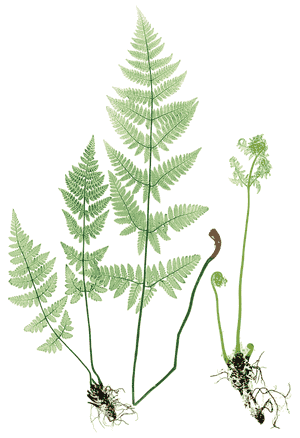
Korean tasselfern flourishes when multiplied via separation, a technique perfectly aligned with its natural development. For the best outcome, cultivators ought to split the fern in the initial days of spring as fresh shoots begin to emerge. Gently divide the root mass into smaller portions, with each piece possessing multiple fronds and a robust root system. Replant these segments without delay, making certain they are placed in adequately draining earth and shielded from harsh solar exposure to minimize shock and foster successful rooting.
Optimal Period for Korean Tasselfern Propagation
Propagation Method
Division
Propagation Period
Spring,Autumn
Tools Required for Korean Tasselfern Propagation
Garden Spade or Fork
These implements are vital for carefully separating korean tasselfern's root mass. A spade or fork enables the gardener to excavate around and beneath the plant, minimizing root damage. The fork, with its prongs, is especially effective for gently disentangling roots, which is essential for korean tasselfern due to its specific root structure.
Sharp Knife or Pruners
Used for making clean cuts on thicker roots or for trimming dead fronds prior to division. A sharp knife ensures precise and clean cuts, which helps prevent disease and encourages faster healing. For korean tasselfern, this is critical as jagged cuts can lead to fungal infections.
Watering Can with a Fine Rose
Following division, it's important to ensure korean tasselfernâs roots receive adequate water to help reduce transplant shock. A watering can with a fine rose delivers a gentle spray that sufficiently hydrates the plant without disturbing the newly planted divisions.
Rooting Hormone (optional)
While not compulsory, applying a rooting hormone to the cut surfaces of korean tasselfern's roots can enhance root development and promote quicker establishment. Given korean tasselfern's need for consistent moisture and stability, this can be beneficial in supporting its post-division growth.
Container or Planting Pots
If the divisions of korean tasselfern are to be grown on before replanting them into the garden, clean, appropriately sized pots are necessary. They provide a controlled environment for the young ferns to develop roots. Proper drainage is essential to prevent root rot and ensure the health of korean tasselfern.
Steps to Propagate Korean Tasselfern
Propagation Type
Easy
Caring for Your Newly Propagated Korean Tasselfern
Caring for Your Newly Propagated Korean Tasselfern
After propagation, ensure korean tasselfern is kept in partial to full shade as it prefers cooler temperatures and indirect sunlight. Maintain soil moisture without overwatering. Apply mulch around the base to retain moisture and reduce weed growth. During the growing season, fertilize korean tasselfern with a balanced, slow-release fertilizer to promote healthy growth.
Common Errors to Avoid When Propagating Korean Tasselfern
Overwatering
Excessive watering of korean tasselfern can lead to root rot, which severely impacts the plantâs health, making it less likely to grow successfully after propagation. Moisture levels should be carefully monitored to ensure the soil is consistently damp but not waterlogged.
Inadequate site selection
Choosing a propagation location or potting mix that doesnât drain well or lacks sufficient organic material may hinder root growth, causing the propagated korean tasselfern to struggle or fail. This plant species thrives in well-draining, fertile soil.
Improper division technique
Using incorrect or dull tools for dividing korean tasselfern could damage both roots and fronds. This leads to stress on the plant, impeding its recovery and growth post-propagation.
Ignoring plant health
Propagating korean tasselfern that are already weak or unhealthy might result in propagation failure. Unhealthy parent plants typically do not possess sufficient vigor to support new growth.
Excessive frond removal
While it might seem beneficial to trim back more fronds to reduce transpiration stress, overly removing fronds can weaken korean tasselfern because it reduces the plantâs ability to photosynthesize and sustain its new root system.
Tips For Propagating Korean Tasselfern
Ideal division time
Propagating korean tasselfern at the correct time is crucial. Generally, early growth stages are ideal, as the plant has the most potential for successful root and foliage development post-division.
Use of sharp tools
Utilizing sterilized, sharp tools for dividing korean tasselfern ensures clean cuts that heal quicker, minimizing stress and the risk of disease at wound sites.
Soil preparation
Preparing a potting mix rich in organic matter, and ensuring it is loose and well-draining, supports strong root development. This is vital for the healthy establishment of propagated korean tasselfern.
Correct planting depth
The crown of the divided korean tasselfern should not be buried too deep as it can encourage fungal infections. Proper placement ensures healthier growth and reduces rot issues.
Maintaining humidity
After propagation, maintaining a higher humidity around korean tasselfern helps in easing the transition stress, which promotes better frond development and root establishment.
Gradual acclimatization
Once propagated, slowly acclimatizing korean tasselfern to various light levels prevents shock, allowing the plant to adjust steadily to its new environment, boosting overall growth and vitality.



