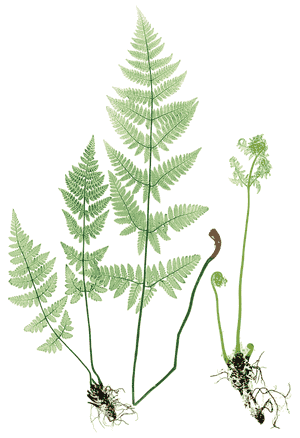
Korean tasselfern (Polystichum polyblepharum)
Also known as: Tassel fern
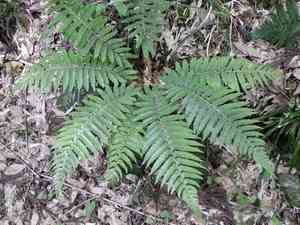
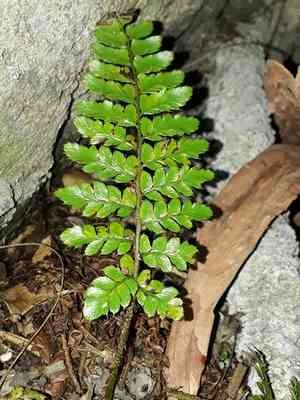
The Korean tasselfern, or Polystichum polyblepharum, features spreading, lance-shaped fronds that can look like a shuttlecock when fully grown. A distinctive characteristic is the golden hairs on the new fronds as they unfurl, giving them a tassel-like appearance. This unique aspect is the reason behind its common name, "tassel fern."
In This Article
Attributes of Korean tasselfern
Lifespan
Perennial
Plant Type
Fern
Plant Height
30 cm to 61 cm
Spread
30 cm to 60 cm
Leaf Color
Green Bronze
Flower Size
N/A (ferns do not produce flowers)
Flower Color
N/A (ferns do not produce flowers)
Images of Korean tasselfern
Quickly Identify Korean tasselfern
1
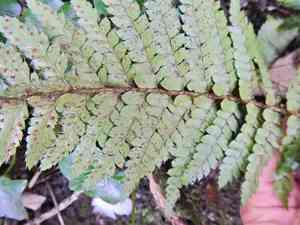
Bipinnate, lance-shaped fronds with herringbone pattern
2
Glossy, dark green leaflets with polished finish
3
Dark green leaves with golden hairs, reaching 1-2 feet (30-60 cm)
4
Membranous scales on underside of leaflets
5
Preference for shaded, moist, well-draining soil
Scientific Classification of Korean tasselfern
Phylum
Vascular plants
Class
Ferns
Order
Polypodiales
Family
Wood fern
Genus
christmas dagger
Species
Korean tasselfern
Planting and Growing of Korean tasselfern
Care Difficulty
Easy
Watering Schedule
Every 3 days
Sunlight Requirements
Partial sun
Sunshine Duration
4-10 hours
Ideal Temperature
60-75℉
Soil Type
Potting Mix, Peat Mix
Soil pH
5.5-7
Fertilizer Type
Balanced
Pruning Season
Spring, Summer
Pruning Area
Branches, Leaves
Pruning Frequency
2 times a year
Repotting Season
Spring
Pot Type
Plastic, Ceramic
 How to Water Korean tasselfern?
For Polystichum polyblepharum, watering should be done until the soil is evenly moist but not soggy. This plant doesn't appreciate its roots being waterlogged. The principle lies in keeping the surrounding soil consistently damp, like a wrung-out sponge. This amount of approximately 250 ml ensures it receives enough moisture without overwhelming the root system.
What are the symptoms of an underwatered Korean tasselfern?
›
What should I do if my Korean tasselfern is not getting enough water?
›
What are the symptoms of an overwatered Korean tasselfern?
›
How to save an overwatered Korean tasselfern?
›
 What Are the Sunlight Requirements for Korean tasselfern?
Partial sun exposure with some direct morning light is beneficial, helping maintain lush, healthy fronds while preventing stress from too much exposure.
More About Sunlight Requirements Techniques→
What is the best type of lighting for Polystichum polyblepharum?
›
How can I adjust my setup for optimal light exposure?
›
What are the benefits of achieving the optimal lighting conditions?
›
 What Is the Ideal Temperature Range for Korean tasselfern?
Polystichum polyblepharum thrives best within an ideal temperature range of 60°F to 75°F. This temperature bracket provides the ferns with the optimal conditions to facilitate photosynthesis, transpiration, and overall cellular activity. During this range, the humidity balance is ideal for maintaining the fronds’ health and vibrant green color, mimicking their natural woodland habitats.
 What Soil is Best for Korean tasselfern?
This fern thrives in soils that retain moisture well without becoming waterlogged. Good moisture retention ensures that the plant has constant access to water, which is crucial for its lush, green fronds. Polystichum polyblepharum benefits from nutrient-rich soils that supply it with the necessary elements for growth. Rich soil contributes to the vibrant color and overall health of the plant. Incorporation of organic matter such as compost is essential as it improves soil structure and provides steady nutrients. Organic-rich soil supports the plant's root system development and enhances soil aeration.
 How to Fertilize Korean tasselfern?
For Polystichum polyblepharum, use a balanced liquid fertilizer with equal N-P-K ratios, diluted to half-strength. Apply approximately 500 ml per application when using liquid fertilizer. This promotes balanced growth without overburdening the fern's delicate roots.
 How to Prune Korean tasselfern?
Start your pruning by examining the outermost fronds, as these are usually the oldest and most likely to need trimming. Carefully snip these back while leaving the inner newer fronds intact for a balanced appearance. If any fronds show signs of disease, such as mildew or black spots, trim these immediately to prevent spreading. Always sterilize your tools after dealing with infected plant parts.
More About Pruning Techniques→
 How to Propagate Korean tasselfern plant?
1
Gently dig up the entire plant using a spade or shovel. Care should be taken to avoid damaging the roots. This process is best done in spring or early autumn when the plant is not in active growth mode.
2
Divide the root clump into smaller sections using a clean, sharp knife. Each section should have at least a couple of fronds and a good portion of the root system. Dividing the plant encourages new growth and should be done every few years.
3
Replant the divisions into their new location at the same depth they were growing before. Firm the soil around the divisions and water thoroughly. Ensure the new site mimics the plant’s natural habitat to encourage establishment.
 How to Repot Korean tasselfern plant?
1
Look for signs such as the fern becoming root-bound with roots growing out of the drainage holes or the soil compacting noticeably. When growth seems stunted or the plant is wilting despite proper care, it’s time to repot. Aim for repotting during its dormant period, which aligns with early spring or autumn, to minimize stress.
2
Opt for a pot that is just one size larger than the current one to encourage healthy growth without overwhelming the plant. Ensure that it has adequate drainage holes to prevent water accumulation, which could lead to root rot. Clay pots are favored as they allow for better air circulation, which is vital for the roots of this fern.
3
Select a well-draining, acidic soil mix to mimic the natural woodland floor where this fern thrives. A mix including peat, perlite, and a small amount of pine bark can maintain moisture while providing necessary acidity, enabling the fern to develop healthy roots and vibrant fronds.



