How to Prune Palmer's penstemon?
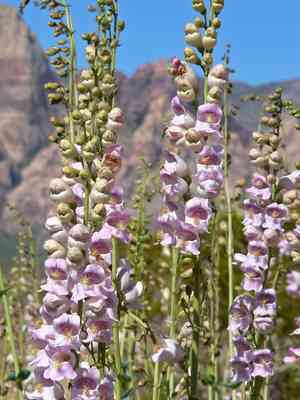
Palmer's penstemon, a striking, lofty wildflower featuring tubular flowers, brings elegance to horticultural spaces. Remove withered or compromised stalks at any point to improve the plant's vitality and aesthetic. Removing faded flowers stimulates additional blossoming and deters unwanted self-propagation. The most effective time for shaping is after the flowering period. Yearly removal of mature growth encourages revitalization. Consistent trimming supports well-being, stimulates development, and enhances the capacity for blooms in the subsequent season.
What Are the Benefits of Pruning Palmer's Penstemon?
What Are the Benefits of Pruning Palmer's Penstemon?
Trimming palmer's penstemon promotes abundant blooms, revitalizes growth, and maintains a tidy shape. This targeted cutting eliminates faded flowers and overgrown stems, enhancing plant vitality and visual appeal.
What Is the Best Time for Pruning Palmer's Penstemon?
What Is the Best Time for Pruning Palmer's Penstemon?
Pruning palmer's penstemon in late winter or early spring, following the final frost, reduces the chance of cold damage to freshly cut areas. It also enables gardeners to clear away any dead or damaged stems from the winter, stimulating robust new growth. This timing aligns with the plant's natural dormant period, making it less stressful. Pruning before new growth begins ensures the plant's energy is directed towards developing strong, fresh shoots and helps maintain its natural form. It's crucial to prune before palmer's penstemon starts its active growing season to avoid removing flower buds, as palmer's penstemon flowers on new growth. Pruning during this optimal window boosts the plant's overall health and flowering potential for the upcoming season.
What Tools Do I Need to Prune Palmer's Penstemon?
Bypass Pruners
Ideal for making precise cuts on palmer's penstemon's delicate stems. Their sharp, curved blades ensure clean cuts without harming plant tissue, encouraging healthy regrowth.
Snips
Perfect for removing spent flowers from palmer's penstemon and for thinning out smaller, more intricate growth without causing unnecessary damage to surrounding foliage.
Pruning Shears
Useful for managing mature stems and shaping palmer's penstemon during the appropriate seasons. They offer more strength than snips, which is important for cutting through slightly woodier stems.
Gardening Gloves
Not a cutting tool but essential for protection when pruning palmer's penstemon due to its fine hairs, which may cause skin irritation.
How to Prune Palmer's Penstemon
Clean tools
Start with sanitized pruning tools to prevent disease spread. Use alcohol or a bleach solution to disinfect clippers or shears before pruning palmer's penstemon.
Remove diseased parts
Carefully remove any diseased leaves and branches from palmer's penstemon to maintain plant health. Dispose of these parts away from healthy plants to avoid contamination.
Trim dead material
Prune away all dead branches and withered leaves. Make clean cuts close to the main stem of palmer's penstemon, ensuring not to damage new growth or healthy tissue.
Deadhead flowers
Deadhead withered flowers by pinching them off or using shears to encourage palmer's penstemon to produce more blooms during the flowering season.
Shape plant
Shape palmer's penstemon by selectively trimming back overgrown or misshapen branches. Aim for a natural appearance that accommodates the growth habit of the plant.
Common Pruning Mistakes with Palmer's Penstemon
Overpruning
Removing too much foliage or cutting back palmer's penstemon's stems excessively can stress the plant and result in weaker growth or reduced flowering. It is important to prune no more than one-third of the plant at a time.
Improper cutting technique
Using dull or dirty cutting tools can damage the stems of palmer's penstemon, leading to ragged cuts that may invite pests or disease. Always use clean, sharp pruners to make clean cuts.
Removal of all seed heads
Completely removing all the seed heads from palmer's penstemon can prevent the plant from self-seeding and naturally propagating. For gardeners who wish for palmer's penstemon to spread, it is a common mistake to prune all seed heads.
Neglecting deadheading
Failing to remove spent flowers (deadheading) can lead to a decrease in the next season's blooms as palmer's penstemon can expend energy on seed production instead of new growth.
Common Pruning Tips for Palmer's Penstemon
Selective pruning
Palmer's penstemon responds well to selective pruning, which involves removing specific parts of the plant that are dead, damaged, or diseased. This process encourages healthy growth and improves air circulation.
Encouraging bushiness
To promote a bushier growth habit, pinch back the tips of palmer's penstemon in its early development stages. This method will stimulate the plant to produce more lateral growth.
Post-flowering maintenance
After palmer's penstemon has flowered, cut back the flower spikes to just above the point where new growth is emerging. This can encourage a second bloom and helps maintain the plant's shape.
Tool maintenance
Ensure that pruning tools are sharp and sterilized before use to prevent damage to palmer's penstemon and the spread of plant diseases.



