How to Propagate Palmer's penstemon?
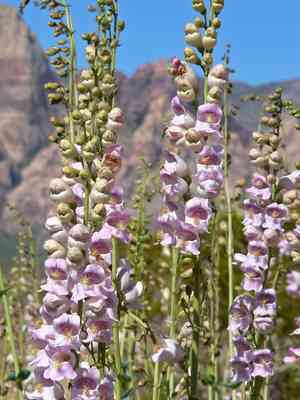
Palmer's penstemon flourishes when reproduced via the cutting technique. Begin by choosing a robust stem, making sure it contains multiple leaf nodes. A rooting stimulant can boost success, particularly when put on a freshly severed stem. Insert the cutting into a sandy, well-draining soil blend to avert decay and sustain steady dampness without excessive watering. Positioning the cutting in a warm, well-illuminated spot fosters vigorous root growth. This approach not only maintains the genetic integrity of palmer's penstemon but also speeds up its establishment.
Optimal Time for Palmer's Penstemon Propagation
Propagation Type
Cutting
Propagation Season
Spring,Summer
Tools for Palmer's Penstemon Propagation
Sharp pruning shears
These tools are vital for making clean, precise cuts on palmer's penstemon. Sharp blades ensure healthy, smooth cuts, minimizing infection risk and plant stress. Clean shears are crucial for successful propagation, preventing disease spread.
Rooting hormone
This chemical substance encourages root development from palmer's penstemon cuttings. Dipping the cut stem into rooting hormone before planting significantly boosts successful root formation. It accelerates the rooting process and improves the survival rate of new plants.
Sterile potting mix
A high-quality, sterile potting mix offers a safe, nutrient-rich environment for palmer's penstemon cuttings to root. It's free of pathogens and pests, crucial for preventing disease during early root formation. The right mix ensures proper moisture and air circulation, aiding root growth.
Small pots or trays
These containers house cuttings as roots develop. Select sizes appropriate for palmer's penstemon to allow sufficient initial root growth without wasting resources. Individual pots help manage each cutting's growth stages, providing tailored care and avoiding root disturbance.
Plastic covers or mini-greenhouses
Creating a humid, controlled environment for new palmer's penstemon cuttings helps maintain ideal moisture, critical for effective rooting. These covers also regulate temperature, reducing evaporation and providing a stable growth environment until plants are strong enough for transplanting.
Propagating Palmer's Penstemon
Propagation Type
Easy
Caring for Newly Propagated Palmer's Penstemon
Caring for Newly Propagated Palmer's Penstemon
Once rooted, gradually introduce the new palmer's penstemon plant to less humid conditions by opening the plastic cover for increasing periods over a week. After removing the cover, keep the soil consistently moist but not waterlogged. Place in a location receiving full to partial sunlight, depending on local climate. Regular feeding with a balanced fertilizer during the growing season will promote vigorous growth. Protect from extreme cold and excessive moisture in winter.
Common Propagation Mistakes for Palmer's Penstemon
Overwatering
Excessive watering can cause root rot in palmer's penstemon, which prefers well-drained soils. Too much moisture around the roots hinders air circulation, leading to decay and reduced nutrient absorption.
Deep planting of seeds
Palmer's penstemon seeds need light to germinate, so burying them too deeply can prevent sprouting. This results in a lower germination rate, impeding successful propagation.
Neglecting light requirements
Placing palmer's penstemon in heavily shaded areas can hinder growth, as they require full sun to partial shade. Insufficient light impacts photosynthesis, leading to weaker plants with reduced vigor.
Ignoring soil quality
Using soil that is too dense or nutrient-deficient can restrict root growth and diminish overall plant health. Poor soil composition can also lead to inefficient water drainage and nutrient uptake.
Palmer's Penstemon Propagation Tips
Use sandy loam soil
Choose a well-draining, sandy loam soil mix for palmer's penstemon, as it provides the necessary drainage, aeration, and nutrient content for healthy root development and successful establishment.
Top-sow seeds
Surface sowing palmer's penstemon seeds ensures they receive adequate light for germination. Gently press seeds into the soil surface without covering them, maintaining light exposure.
Regular but moderate watering
Maintain a watering schedule that keeps the soil moist but not saturated. Sufficient water is crucial, especially during dry periods, to support robust growth without causing root rot.
Provide ample sunlight
Position palmer's penstemon in a location where it receives full sun to partial shade. Adequate sunlight is essential for optimal growth and flowering, ensuring healthy, vigorous plants.



