How to Prune Sevenleaf creeper?
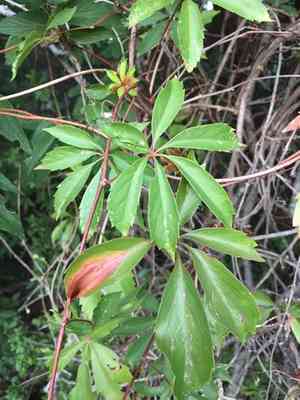
A robust climbing plant featuring abundant leaves, sevenleaf creeper flourishes when consistently trimmed to preserve its form and curb excessive expansion. The most suitable period for pruning sevenleaf creeper is in late winter or early spring, prior to the emergence of new shoots. Remove any lifeless or compromised stems, manage its dimensions, and stimulate branching by reducing the previous year's growth. Careful trimming fosters more robust, thicker foliage and can stimulate blooming in certain related varieties, which is crucial for the plant's vigor and visual attractiveness.
Advantages of Trimming sevenleaf creeper
Advantages of Trimming sevenleaf creeper
Trimming sevenleaf creeper promotes robust development and helps maintain its form, ensuring a neat look. Strategic cuts can prevent excessive growth, which is particularly important for this rapidly growing vine.
Optimal Period for Trimming sevenleaf creeper
Optimal Period for Trimming sevenleaf creeper
Trimming or cutting sevenleaf creeper in late winter or early spring is beneficial because the plant remains dormant then. This timing avoids the stress that pruning can cause during active growth. Furthermore, removing dead or damaged wood before new growth starts helps direct the plant's energy more efficiently toward healthy development. Pruning in late winter or early spring also reduces the risk of disease, as open wounds can heal quickly in the upcoming growing season. Additionally, since sevenleaf creeper hasn't produced new leaves yet, gardeners can more easily see the plant's structure and make precise cuts.
Essential Tools for Trimming sevenleaf creeper
Hand Pruners
For slender stems and precise control when shaping sevenleaf creeper, hand pruners or secateurs are ideal for cleanly cutting stems up to approximately 1/2 to 3/4 inch in diameter.
Loppers
For cutting thicker stems that hand pruners cannot manage, loppers, with their extended handles and increased leverage, are perfect for stems up to 1 to 2 inches in diameter.
Pruning Saw
If sevenleaf creeper has matured and has stems thicker than 2 inches, a pruning saw is essential. It can handle large branches easily, making clean cuts without harming the plant.
Hedge Shears
For quick shaping and trimming of sevenleaf creeper over large areas, hedge shears allow for efficient cutting of multiple small shoots simultaneously.
Pole Pruner
To safely reach elevated or inaccessible parts of sevenleaf creeper, a pole pruner, either manual or powered, is useful for trimming the plant without needing a ladder.
How to Trim sevenleaf creeper
Clean Tools
Before trimming sevenleaf creeper, sanitize pruning tools with a solution of 1 part bleach to 9 parts water to prevent disease transmission.
Remove Diseased Leaves
Identify and carefully remove any diseased leaves from sevenleaf creeper using sharp, clean pruning shears. Make cuts close to the leaf stem's base, ensuring not to harm nearby healthy leaves or stems.
Prune Withered Leaves
Trim withered leaves from sevenleaf creeper to encourage healthy growth and improve air circulation. Clip these leaves at the base, being careful not to pull or tear, which could injure the plant.
Dispose Of Trimmed Material
Properly dispose of all removed diseased and withered leaves. Do not compost them as they may contain pathogens that could infect compost or other plants.
Clean Up
Tidy the area around sevenleaf creeper to prevent any potential fungal or bacterial growth. Sterilize tools again after use to prepare for the next trimming session.
Common Trimming Errors with sevenleaf creeper
Over-Pruning
Removing too much foliage from sevenleaf creeper can weaken the plant and reduce its vitality. This is particularly problematic if more than one-third of the plant is removed in a single trimming session.
Improper Cuts
Making jagged or torn cuts can leave sevenleaf creeper susceptible to pests and diseases. It's crucial to use sharp tools to make clean cuts that heal quickly.
Neglecting Tool Hygiene
Not sterilizing pruning tools before use can spread diseases from infected plants to healthy ones. Always clean tools before moving to another plant.
Shaping Without Knowledge
Attempting to force sevenleaf creeper into an unnatural shape can disrupt its natural growth patterns and potentially lead to unattractive and weakened plants.
Ignoring Plant Health
Trimming without assessing the overall health of sevenleaf creeper may lead to the removal of healthy growth instead of focusing on dead or diseased parts, which should be the priority.
General Trimming Advice for sevenleaf creeper
Selective Thinning
Remove only the necessary parts of sevenleaf creeper, focusing on dead, diseased, or intertwined branches that can impede healthy growth, to maintain plant structure and air circulation.
Proper Tool Selection
Use the correct size and type of trimming tool for sevenleaf creeper to make precise cuts. Bypass pruners are better for smaller stems, while loppers and saws may be more appropriate for thick branches.
Timing Of Cuts
While exclusion of the best season for pruning is requested, ensuring that pruning is done with an understanding of sevenleaf creeper's growth cycle will promote recovery and prevent undue stress to the plant.
Cut Placement
Place cuts just above a leaf node or lateral branch when trimming sevenleaf creeper. This encourages healthy new growth in the desired direction and avoids leaving stubs that could decay.
Caring For Climbers
Since sevenleaf creeper is a climbing plant, ensure that it is securely attached to its support structure after trimming. This prevents damage from the plant's weight and keeps it growing in the intended direction.



