The Sevenleaf creeper Plant Advantage: Maximizing Home and Office Appeal and Wellness
1
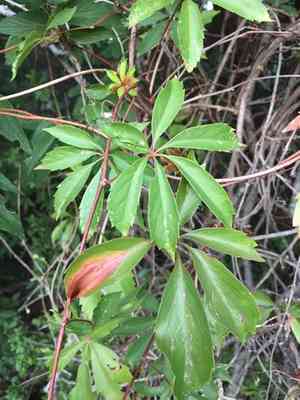
The Sevenleaf creeper is a adaptable plant recognized for its unique leaves and capacity to climb.
2
It serves as a superb option for improving garden beauty and offering cover.
3
This resilient plant needs little upkeep, making it perfect for gardeners with limited time.
Why is Sevenleaf Creeper an Excellent Garden Plant?
Versatility and Durability
Sevenleaf creeper adapts well to diverse surroundings and ground types. It flourishes in both sunny and shaded spots, making it a flexible option for various garden layouts. Furthermore, its resistance to pests and diseases means it stays healthy and attractive with little intervention.
Visual Appeal
Sevenleaf creeper is prized for its lush, green leaves that transform into vivid red or purple hues in autumn. This seasonal color shift adds visual interest and beauty to gardens throughout the year. The plant's climbing habit also allows it to cover walls, trellises, and fences, creating a rich, natural look.
How Does Sevenleaf Creeper Benefit Local Wildlife?
Providing Sanctuaries
The dense foliage of Sevenleaf creeper offers superb nesting locations for birds and small animals. This creates a safe haven for wildlife, boosting biodiversity in urban and suburban gardens. Insects, like bees and butterflies, are also drawn to the plant, which can improve pollination for other nearby flora.
Food Source Contribution
While Sevenleaf creeper itself isn't a primary food source for many species, its coverage can support the growth of other plants and flowers that are vital food sources. This interconnectedness fosters a thriving ecosystem within your garden.
Can Sevenleaf Creeper Enhance Soil Quality?
Erosion Prevention
The extensive root system of Sevenleaf creeper helps stabilize soil and prevent erosion. This is especially useful on inclines or in areas prone to heavy rainfall, where soil loss can be a major issue. By planting Sevenleaf creeper, you can help maintain your garden's landscape integrity.
Soil Enrichment
Sevenleaf creeper contributes to soil health by improving its structure and fertility. The plant's fallen leaves decompose and return nutrients to the soil, supporting the growth of surrounding plants. This natural process reduces the need for chemical fertilizers, promoting a healthier, more sustainable garden environment.
What are the Care Requirements for Sevenleaf Creeper?
Minimal Upkeep
One of the most attractive features of Sevenleaf creeper is its low maintenance needs. The plant is drought-tolerant and can thrive with minimal watering once established. It also requires little to no fertilization, as it can flourish in less-than-ideal soil conditions.
Trimming and Guiding
While Sevenleaf creeper is low maintenance, it benefits from occasional trimming to manage its growth and maintain its desired form. Pruning ensures the plant doesn't overpower other plants or structures in your garden. Guiding Sevenleaf creeper to grow along trellises or arbors can enhance its appearance and usefulness.
How to Integrate Sevenleaf Creeper into Your Garden Design
Creating Living Walls
Sevenleaf creeper is an excellent choice for establishing green walls that can act as natural privacy screens or windbreaks. These living walls not only offer aesthetic value but also provide practical benefits, such as noise reduction and air purification.
Complementing Other Plants
Sevenleaf creeper can be combined with various other plants to create a dynamic and appealing garden. Its climbing ability makes it a great companion for taller shrubs and trees, while its seasonal foliage can provide a contrasting backdrop for flowering plants. Consider using Sevenleaf creeper in mixed borders or as a ground cover to enhance the overall diversity and interest of your garden.



