How to Propagate Sevenleaf creeper?
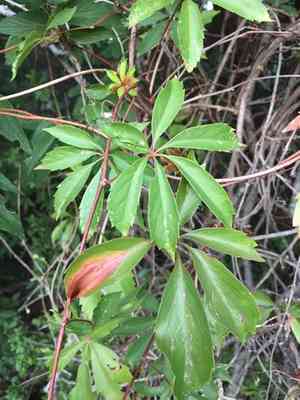
This vining plant, featuring palmate foliage usually comprising seven leaflets, flourishes when reproduced from stem segments. For effective root development, choose robust, semi-lignified portions of the climber. Harvesting cuttings during periods of active development enhances the likelihood of cultivating strong new plants. These segments ought to be immersed in rooting compound and placed in a porous soil blend, maintained in a damp but not saturated state, beneath diffused illumination. With perseverance and appropriate tending, fresh shoots indicate the emergence of roots and the commencement of a thriving new individual.
Optimal Time for Sevenleaf Creeper Propagation
Propagation Method
Cutting
Propagation Period
Spring,Summer
Tools for Sevenleaf Creeper Propagation
Sharp Pruning Shears
These are vital for making clean cuts from the parent sevenleaf creeper plant, minimizing tissue damage. Precise cuts promote faster healing and lower infection risk, boosting propagation success via cuttings.
Rooting Hormone Powder
This aid stimulates root growth in sevenleaf creeper cuttings. Applying it to the stem's cut end encourages quicker root development and increases overall rooting success, crucial for new plant viability.
Sterile Potting Mix
A well-draining, sterile potting mix is key for planting sevenleaf creeper cuttings. It reduces the risk of soil-borne diseases and offers an ideal environment for root growth. A pathogen-free mix supports healthier, stronger growth in newly propagated plants.
Heat Mat
Placing a heat mat under potting containers can improve rooting success for sevenleaf creeper cuttings by maintaining consistent soil temperature. This warmth particularly aids root growth during cooler periods or suboptimal rooting conditions.
Moisture Dome or Plastic Cover
This tool helps maintain high humidity around sevenleaf creeper cuttings, crucial for preventing delicate new growth from drying out. The dome or cover also minimizes water loss from evaporation, ensuring the cutting retains moisture for new root formation.
Sevenleaf Creeper Propagation Difficulty
Propagation Type
Moderately Difficult
Caring for Your Newly Propagated Sevenleaf Creeper
Caring for Your Newly Propagated Sevenleaf Creeper
Once sevenleaf creeper cuttings have rooted, gradually introduce them to outdoor conditions by removing the plastic cover over a week. Transplant into larger pots or directly outside if climate allows, ensuring moist, well-draining soil and partial to full sun. Regular pruning maintains shape and size, and annual fertilization promotes vigorous growth.
Common Propagation Mistakes for Sevenleaf Creeper
Excessive watering
Overwatering sevenleaf creeper during propagation can lead to root rot and fungal issues. Cuttings need a moderately moist environment for root formation, as overly saturated soil reduces oxygen and hinders root development.
Poor cutting selection
Using old or diseased stems for cuttings is a common error. Such cuttings often have reduced vigor and a lower capacity to form roots, decreasing propagation success.
Ignoring node presence
Failing to include at least one node in the stem cutting is critical, as nodes are the primary points for root sprouting.
Exposing cuttings to strong direct sunlight
This can cause excessive moisture loss and heat stress in sevenleaf creeper cuttings, leading to dehydration before rooting can occur.
Sevenleaf Creeper Propagation Tips
Use healthy and semi-hardwood stems
Utilize semi-hardwood stems from the current or previous growing season for cuttings. These are more likely to root successfully due to their optimal balance of maturity and growth potential.
Maintain moderate humidity
Keeping the environment around sevenleaf creeper cuttings moderately humid will support rooting by reducing water loss through transpiration. This can be achieved with a humidity dome or by placing the pot in a lightly shaded area.
Proper cutting preparation
Ensure each cutting has 2-3 nodes and is approximately 4-6 inches long. Cut just below a node, as this is where root development is most likely to occur.
Use rooting hormone
Applying a rooting hormone to the cut base of the stem significantly boosts the rooting chances of sevenleaf creeper. This substance stimulates root growth and helps protect cuttings from diseases.



