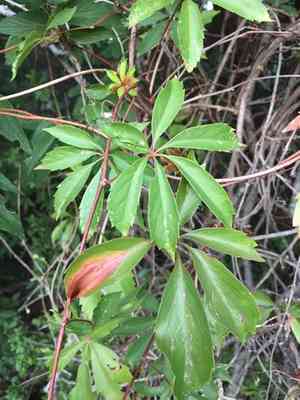
Sevenleaf creeper (Parthenocissus heptaphylla)
Also known as: Virginia Creeper, Five-leaved Ivy
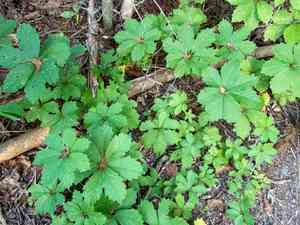
The sevenleaf creeper, known scientifically as Parthenocissus heptaphylla, is a vigorous climbing vine characterized by its compound leaves, typically divided into seven leaflets. These leaves are lush green during the growing season and transform into striking red and purple hues in the fall. The vine uses tendrils with adhesive pads to climb various surfaces, including walls and trees, making it excellent for covering facades. Inconspicuous greenish-white flowers appear in the summer, followed by dark blue or black berries in the fall, which attract wildlife and add visual interest against the colorful foliage.
In This Article
Attributes of Sevenleaf creeper
Lifespan
Perennial
Plant Type
Vine
Plant Height
3.5 m to 11 m
Spread
Not typically applicable since it is a climbing vine
Leaf Color
Green turning to bright red in fall
Flower Size
2.5 cm
Flower Color
Yellow Green
Images of Sevenleaf creeper
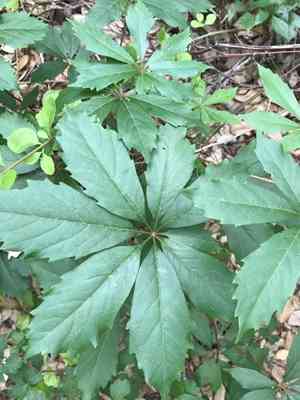
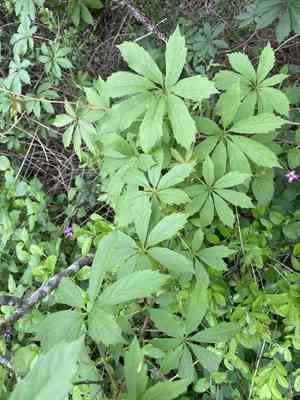
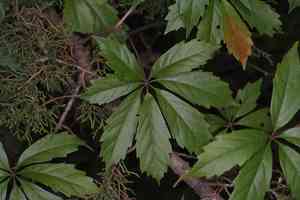
Quickly Identify Sevenleaf creeper
1
Climbing habit reaching up to 5 feet (1.5 meters).
2
Compound leaves with 7 toothed leaflets, 2-4 inches (5-10 cm) long.
3
Inconspicuous greenish-yellow flowers, 0.1 inches (2-3 mm) in diameter.
4
Small, deep blue-black berries, 0.2-0.4 inches (5-10 mm) in diameter.
5
Woody stems with mature brown color, 0.2-0.4 inches (5-10 mm) thick.
Scientific Classification of Sevenleaf creeper
Phylum
Vascular plants
Class
Dicotyledons
Order
Vitales
Family
Grape
Genus
Parthenocissus
Species
Sevenleaf creeper
Planting and Growing of Sevenleaf creeper
Care Difficulty
Easy
Watering Schedule
Every 3 days
Sunlight Requirements
Partial sun
Sunshine Duration
4-6 hours
Ideal Temperature
60-75℉
Soil Type
Potting Mix, Peat Mix
Soil pH
6.5-7.5
Fertilizer Type
Balanced
Pruning Season
Spring, Summer
Pruning Area
Branches, Leaves
Pruning Frequency
2 times a year
Repotting Season
Spring
Pot Type
Plastic, Ceramic
 How to Water Sevenleaf creeper?
When watering Parthenocissus heptaphylla, ensure the soil is moistened thoroughly, reaching the root zone without waterlogging. Aim for about 500 ml per session, adjusting slightly based on pot size and soil drainage. The goal is to mimic natural rainfall, allowing the water to permeate deeply but not sit on the surface.
What are the symptoms of an underwatered Sevenleaf creeper?
›
What should I do if my Sevenleaf creeper is not getting enough water?
›
What are the symptoms of an overwatered Sevenleaf creeper?
›
How to save an overwatered Sevenleaf creeper?
›
 What Are the Sunlight Requirements for Sevenleaf creeper?
Parthenocissus heptaphylla thrives in partial to full sun, benefiting from 4-6 hours of sunlight daily. The ideal light exposure encourages robust and vibrant growth and prevents issues associated with inadequate lighting.
How much sunlight does Parthenocissus heptaphylla ideally need?
›
What are the best practices to achieve the ideal lighting conditions?
›
What benefits does Parthenocissus heptaphylla experience from ideal lighting?
›
 What Is the Ideal Temperature Range for Sevenleaf creeper?
The ideal temperature range for cultivating Parthenocissus heptaphylla is around 60 to 75 °F. This range allows the plant to thrive without stress, providing adequate warmth for photosynthetic processes while avoiding excessive heat that might lead to wilting.
 What Soil is Best for Sevenleaf creeper?
Parthenocissus heptaphylla thrives in well-drained soils that prevent waterlogging, which can lead to root rot. Proper drainage ensures aeration and nutrient uptake, promoting healthy growth and foliage. This plant benefits from soils with moderate fertility levels. Balanced nutrient availability supports its vigorous vine growth and the development of lush, decorative foliage. While preferring well-drained soils, it's essential to maintain adequate moisture levels. Moist soil conditions support sustained growth, especially in warmer periods when dehydration risks are higher.
 How to Fertilize Sevenleaf creeper?
For Parthenocissus heptaphylla, applying the appropriate amount of fertilizer is crucial. Use a balanced liquid fertilizer at a rate of 1/2 strength compared to what's recommended on the label, diluted in water. When using slow-release granules, use about 1 tablespoon (approximately 15 grams) per square foot, evenly distributed around the plant's base.
 How to Prune Sevenleaf creeper?
Begin by examining the plant to identify any dead, damaged, or overgrown areas. This assessment helps you determine which parts need attention. Carefully cut away any dead or diseased branches to promote healthy growth. Make clean cuts just above a healthy bud or branch junction, which encourages new growth. Trim overgrown or unruly branches to maintain the desired shape and size of the plant. Parthenocissus heptaphylla can grow vigorously, so regular shaping is important for aesthetic appeal. After pruning, remove all cut branches and leaves from the base of the plant to prevent rot and pests. A tidy environment supports a healthier plant by minimizing decay.
More About Pruning Techniques→
 How to Propagate Sevenleaf creeper plant?
1
Choose healthy, vigorous shoots about 6-8 inches long for cuttings. Avoid diseased or damaged material, as it may not root well and could carry pathogens.
2
Remove the leaves from the lower half of each cutting. Dip the cut end in rooting hormone to promote root development, shaking off any excess.
3
Place the prepared cuttings into a well-draining potting mix. Ensure the base is inserted about 2-3 inches deep and maintain moisture without waterlogging.
 How to Repot Sevenleaf creeper plant?
1
Knowing when to repot Parthenocissus heptaphylla is crucial for its growth. Look for signals such as visible roots emerging from drainage holes, a noticeable slowdown in growth, or the potting soil drying out too quickly. These are signs your plant needs more space to thrive.
2
Select a pot that is 2 inches larger in diameter than the current one. It should have adequate drainage holes to prevent waterlogging. A properly-sized pot encourages sufficient root expansion while avoiding water retention that can lead to root rot.
3
Opt for a well-draining, rich potting mix with organic matter to support healthy root development and retain adequate moisture. This type of soil provides essential nutrients and ensures roots are not suffocating in excess water.



